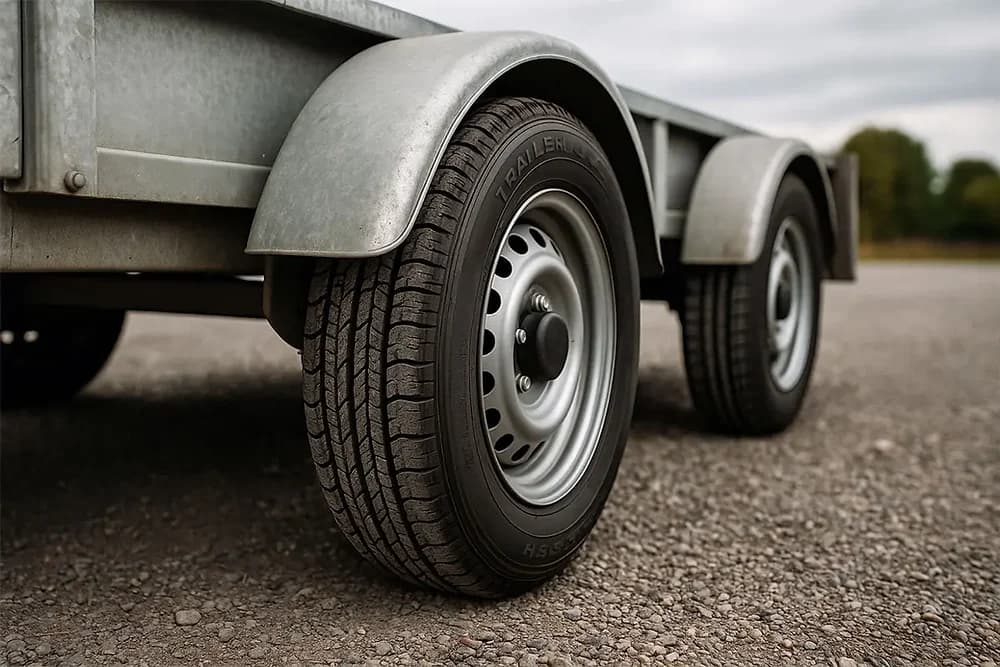
Correct trailer brake drum hub assembly is essential for safe towing, even braking and long component life. Poor maintenance can lead to seized brakes, overheating hubs and bearing failure - all of which can quickly turn into roadside breakdowns or dangerous situations.
This guide walks through inspection, strip-down, servicing and reassembly of trailer brake drums, hubs and backplates, with specific advice for UK trailers using either taper roller bearings or modern unitised hub bearings.
⚠️ Important Safety Note Before You Start
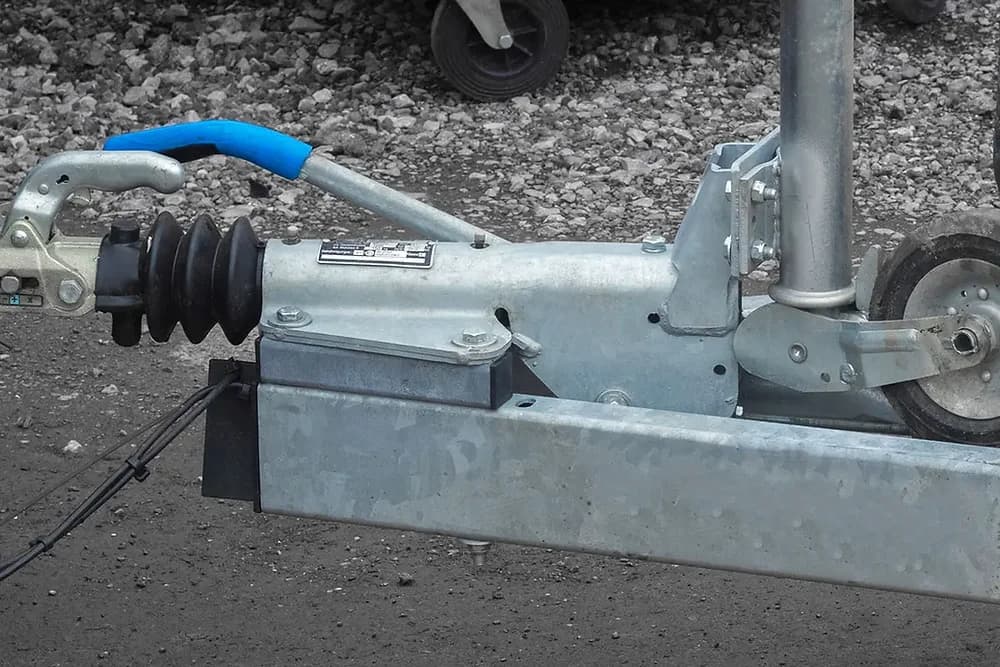
If your trailer coupling uses an over-centre handbrake, it is ESSENTIAL that:
The handbrake lever is securely tied down
Locking pins or stop pegs are fitted exactly as specified by the manufacturer
This must be done before dismantling any braking components. Failure to do so can cause sudden release of stored energy and serious injury.
Identify Your Trailer Hub Type First
Before stripping anything down, confirm which hub design your trailer uses:
Taper Roller Bearing Hubs (Older Design)
Adjustable bearings
Periodic cleaning and re-greasing required
Castellated nut and split pin
Unitised / Sealed Bearing Hubs (Modern Design)
Sealed for life
Non-adjustable
Single-use flange nut
High torque settings required
The service procedure differs significantly depending on the hub type.
Trailer Brake Drum & Hub Inspection Procedure
1. Jack Up and Secure the Trailer
Jack the trailer and support it on axle stands
Grasp the wheel at the top and bottom and rock it
Any lateral movement indicates bearing wear or incorrect adjustment
2. Remove the Wheels
Remove all road wheels to expose the brake drum and hub assembly
3. Check Brake Linings
Inspect brake linings through backplate inspection holes if fitted
If linings are visible and in good condition, full strip-down may not be required
If inspection is not possible, continue and remove the brake drum
4. Remove Grease or Dust Cap
Exposes either:
Castellated nut (taper roller bearings)
Flange nut (unitised bearing hubs)
5. Remove Drum and Bearings
Taper roller bearing hubs
Remove split pin
Undo castellated nut
Remove thrust washer if fitted
Withdraw drum complete with bearings
Unitised bearing hubs
Undo the single-use flange nut (often extremely tight)
Remove the drum and bearing unit as one assembly
Tip: Back off brake adjustment if the drum does not slide off easily.
Bearing and Hub Checks
Taper Roller Bearings
Remove front and rear bearings (rear may remain on stub axle)
Clean using degreaser or paraffin
Inspect rollers for flat spots or damage
Check inner oil seal and replace if damaged
Bearing Cones
Clean and inspect inner and outer cones
Replace if worn
Follow hub manufacturer installation instructions carefully
Unitised Hub Bearings
No servicing possible
If faulty, the entire unit must be replaced
Some replacements require specialist pressing equipment
Brake Drum & Backplate Assembly Checks
Brake Drum
Inspect inner braking surface
Check for:
Rust build-up
Excessive scoring
Cracks or distortion
Brake Backplate
Clean thoroughly with brake cleaner
Remove all brake dust and debris
Brake Springs
Inspect for corrosion or breakage
Replace if weakened or damaged
Note original component positions before removal
Shoe Carrier and Expander
Ensure components slide freely
Clean and apply a small amount of specialist brake grease (e.g. Copperslip)
Do not allow grease to contact brake linings
Brake Linings
Minimum lining thickness: 1.5mm
Check for uneven wear or contamination
Replace if necessary and refit exactly as removed
Bowden Cables
Check for smooth operation
Inspect for kinks, fraying or seized inner cables
Replace damaged cables in pairs
Most modern Bowden cables are self-lubricating. If grease nipples are fitted, apply grease sparingly to avoid lining contamination.
After fitting new cables, apply the handbrake firmly at least 10 times to remove initial stretch.
Re-Greasing and Reassembly
Bearings
Re-grease taper roller bearings using:
High melting point grease
Water-repellent grease for boat trailers
Refit Drum - Taper Roller Bearings
Refit drum and bearings
Install thrust washer
Tighten castellated nut until slack is removed
Do not overtighten
Back off to nearest split-pin slot
Ensure hub spins freely
Fit a new split pin
Lightly grease and refit dust cap
Refit Drum - Unitised Bearings
Lightly oil stub axle threads
Refit drum and bearing unit
Fit a new flange nut
Tighten using a torque wrench to manufacturer specification:
AL-KO - 290 Nm (214 lb-ft)
Ifor Williams - 350 Nm (260 lb-ft)
Avonride - 280 Nm (200 lb-ft)
High-capacity torque wrenches are required due to the very high torque values. Correct tightening automatically sets bearing preload.
Final Assembly Checks
Repeat the procedure on all hubs
Refit wheels and lightly tighten wheel nuts
Lower trailer to ground
Torque wheel nuts using the correct tightening sequence
Final Advice
Regular trailer brake drum hub assembly inspections reduce the risk of seized brakes, uneven braking and bearing failure. Always refer to brake and hub manufacturer maintenance instructions and service trailers on time intervals - not just mileage.
Proper maintenance keeps your trailer legal, safe and ready for the road.