Choosing the right towbar is about more than just whether it fits your vehicle. Selecting a towbar correctly ensures safe towing, compatibility with stabilisers and accessories, and avoids issues with parking sensors, electrics and vehicle warranties.
This guide explains the main towbar types, when to choose each, and how to select the correct towing electrics for your setup.
Before Selecting a Towbar: Key Checks
Before committing to a towbar installation, always confirm:
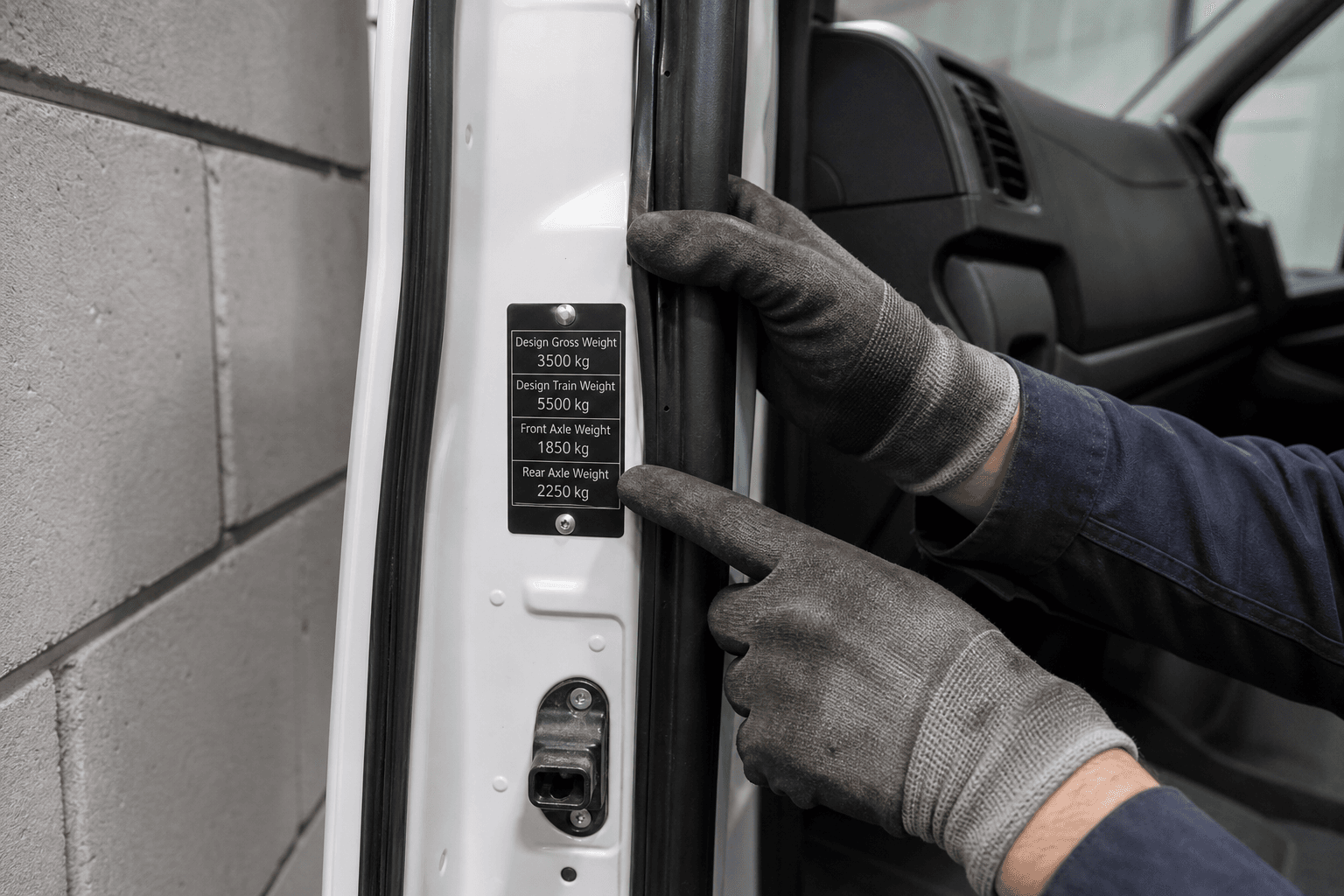
Your vehicle has sufficient towing capacity and maximum nose weight
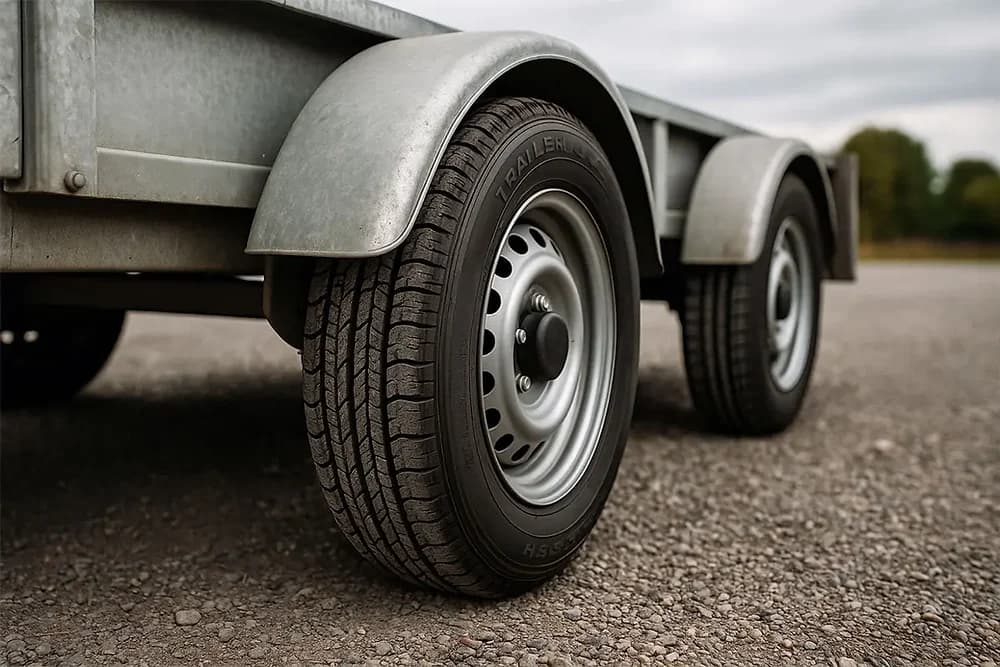
Your trailer or caravan is roadworthy
The towbar will be fitted by an NTTA Trusted Workshop
The towbar type suits how you plan to tow (trailer, caravan, cycle carrier, stabiliser, etc.)
Skipping these checks can lead to unsafe towing or costly changes later.
The Three Main Types of Towbar
Fixed Flange Towbars
Fixed flange towbars are the most versatile option and suit the vast majority of towing requirements.
Key features:
Towball bolted to a faceplate
Compatible with accessories mounted between the towball and flange
Allows use of:
Bumper protectors
Leaf spring stabiliser brackets
Bracket-mounted cycle carriers
The standard towball can be replaced with an AL-KO compatible towball, making this type ideal for caravans and stabilised trailers.
✅ Towball-mounted cycle carriers can also be used.
⚠️ If your vehicle has parking sensors, a fixed flange towbar may cause interference - a detachable option is often preferable.
Fixed Swan Neck Towbars
Fixed swan neck towbars are popular for their clean appearance and are suitable for many towing applications.
Key features:
Sleek, integrated design
Generally considered more attractive than flange types
AL-KO compatible for stabiliser use
✅ Towball-mounted cycle carriers can be used⚠️ Not compatible with flange-mounted accessories
Detachable Towbars
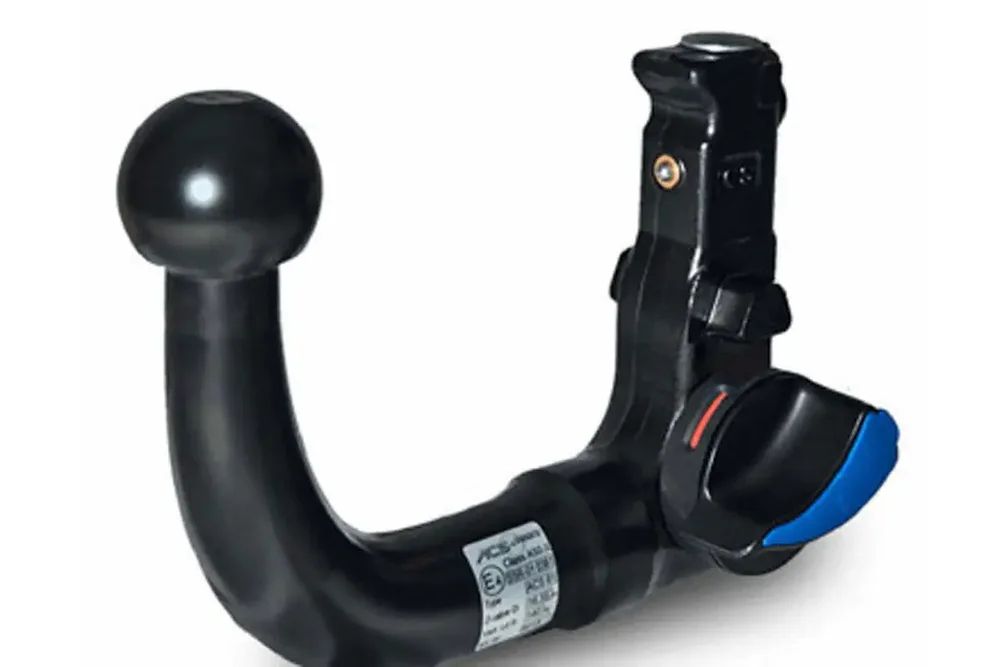
Detachable towbars are most commonly available as detachable swan necks, though detachable flange options exist for some vehicles.
Key features:
Towbar neck can be removed when not towing
Depending on vehicle design, the towbar may be:
Completely invisible
Or only slightly visible
The detachable swan neck is AL-KO compatible.Detachable flange towbars require an AL-KO compatible towball when used with stabilisers.
A major advantage is that removing the towbar:
Prevents parking sensor interference
Keeps the rear of the vehicle visually clean
✅ Towball-mounted cycle carriers can also be used.
Selecting the Correct Towing Electrics
Choosing the right electrics is just as important as the towbar itself.
Common Towing Electric Options
Single 7-Pin (12N)
Road lights only
Does not include reverse or charging circuits
Twin 7-Pin (12N / 12S)
Option 1: Road lights + permanent live feed
Option 2: Road lights + full charging system
13-Pin
Option 1: Road lights + permanent live feed
Option 2: Road lights + full charging system
Cleaner, modern single-connection solution
Why Modern Towbar Electrics Are More Complex
Older vehicles allowed simple wiring into rear lights. Modern vehicles are very different.
Today’s vehicles use:
Computer-controlled lighting systems
Advanced safety and stability features
Incorrect wiring can:
Trigger dashboard warnings
Disable safety systems
Affect vehicle warranties
Choosing the correct electric kit is essential whether you tow:
Trailers
Caravans
Cycle carriers
Universal vs Dedicated (Vehicle-Specific) Wiring Kits
Dedicated Vehicle-Specific Wiring Kits
Also known as:
Dedicated looms
Plug-in kits
VSKs
Advantages:
Designed specifically for your vehicle
Connect to manufacturer-approved points
Integrate with built-in safety systems
Can disable parking sensors while towing
Protect vehicle warranty
Some vehicles may require software coding to activate towing functions.
These kits interface with the vehicle exactly as the manufacturer intended - no cutting, soldering or scotch locks.
Universal Electric Kits
Universal kits are a lower-cost option and fit most vehicles.
What they do well:
Provide all legal lighting functions
Offer audible indicator warning
Universal compatibility
Limitations:
Do not activate Trailer Stability Control
Do not disable parking sensors or fog lights
May compromise vehicle warranty
Universal Electric Kits - Pros & Cons
Pros
Lower cost
Audible trailer indicator warning
Fits most vehicles
Cons
Trailer Stability Control not activated
Parking aids remain active while towing
Vehicle warranty not protected
Brent’s Bottom Line
Selecting a towbar isn’t just about price - it’s about compatibility, safety and future-proofing.
Fixed flange offers maximum versatility
Swan neck suits clean aesthetics
Detachable avoids sensor interference and visual clutter
Dedicated electrics protect modern vehicles and unlock safety features
Get the setup right from the start and towing becomes safer, smoother and stress-free.
-Brent