
Head to head
Debon C700 vs Ifor Williams P7e
The Debon C700 is rated 1,850kg heavier gross.
Last reviewed 13 September 2026
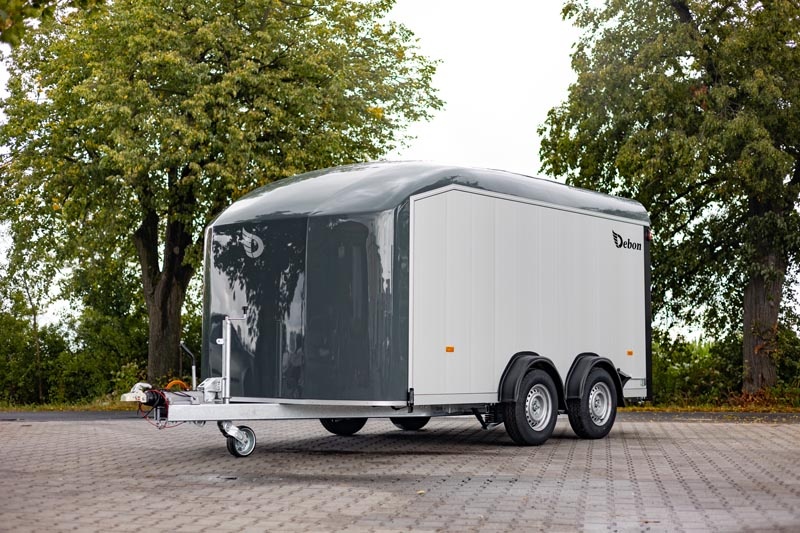
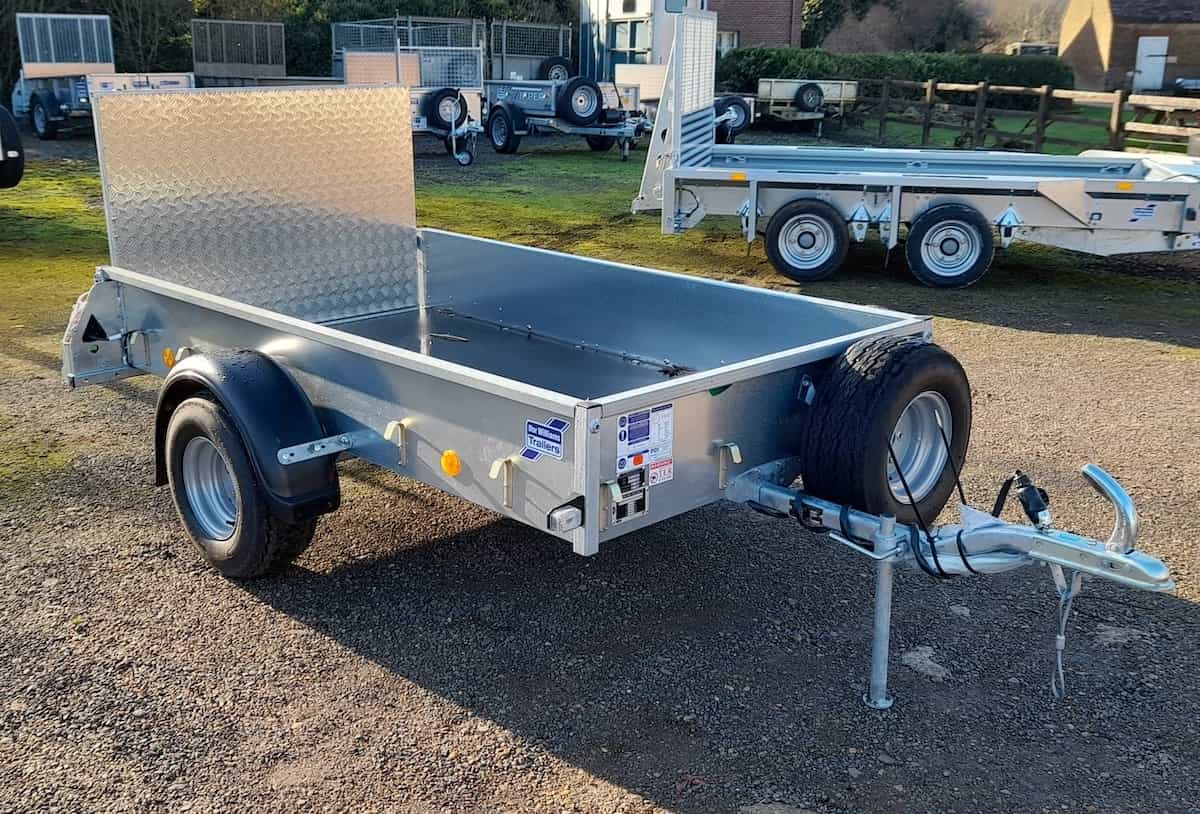
Key differences
- Gross weight: the Debon C700 is rated 1,850kg heavier gross.
Specifications side by side
| Debon C700 | Ifor Williams P7e | |
|---|---|---|
| Gross weight | 2600kg | 750kg |
| Axles | 2 | - |
| Unladen weight | - | 193kg |
| Payload | - | 557kg |
| Internal bed | - | 2.21m x 1.21m |
| Brakes | - | Unbraked |
Sources: Debon C700, Ifor Williams P7e. Figures vary by model year and options, so check with the supplier before you commit.
Buy or hire the C700 if...
- you want one that is rated 1,850kg heavier gross
A mid-length box van in the Roadster range for businesses needing more load length than the C500 without moving to the largest chassis.
Listed by
- Fieldfare Trailer Centre - Salisbury
Buy or hire the P7e if...
For buyers who find the P6e's bed a little short for longer items like ladders or fencing panels, on the same unbraked 750kg chassis.
Listed by
- Cobham Trailer Hire - Cobham, East Horsley
Common questions
What is the difference between the Debon C700 and the Ifor Williams P7e?
The Debon C700 is rated 1,850kg heavier gross. The Debon C700 is a a braked twin-axle enclosed box van trailer rated at 2600kg gross weight.; the Ifor Williams P7e is a a slightly longer unbraked general-purpose trailer.
Can I tow the Debon C700 or the Ifor Williams P7e on a car licence?
Yes, as far as the licence goes. Both are rated at or under 3,500kg gross, and a car (B) licence has covered towing up to 3,500kg since 16 December 2021. Your car still has to be rated to tow the loaded weight - check the handbook or the VIN plate.
GetBrent is an independent directory and is not a dealer for, nor affiliated with, either manufacturer. Model and brand names are the trademarks of their owners.