Spring brings its own equipment hire opportunities and challenges, from garden projects and seasonal construction work to businesses gearing up for the busy months ahead. Here's what to know about getting the right kit this season.
Why Spring is Peak Hiring Season
Spring in the UK marks the beginning of the busy season for most industries. Gardeners, landscapers, builders, and event organisers all suddenly need equipment at the same time. Garden centres stock up on supplies, construction projects resume after winter, and outdoor events begin popping up on every weekend calendar. This surge in demand means two things: competitive pricing (as hire companies want your business) and limited availability if you wait too long.
The weather's improving, daylight hours are extending, and most importantly, the ground is finally firm enough for heavy equipment. After months of frost and waterlogged earth, spring gives you a genuine window to get projects moving without getting stuck - quite literally.
If you're planning any spring work, my golden rule is simple: book your equipment at least two weeks in advance. I've seen customers miss out on perfect weekend dates in April and May simply because they delayed hiring by a few days.
Essential Spring Equipment to Consider
Spring brings specific hiring needs that differ from other seasons. Let me highlight the most popular items and when you'll actually need them:
- Garden trailers and tipper trailers - Perfect for removing winter debris, garden waste, and making space for new planting. A single-axle garden trailer suits most domestic properties.
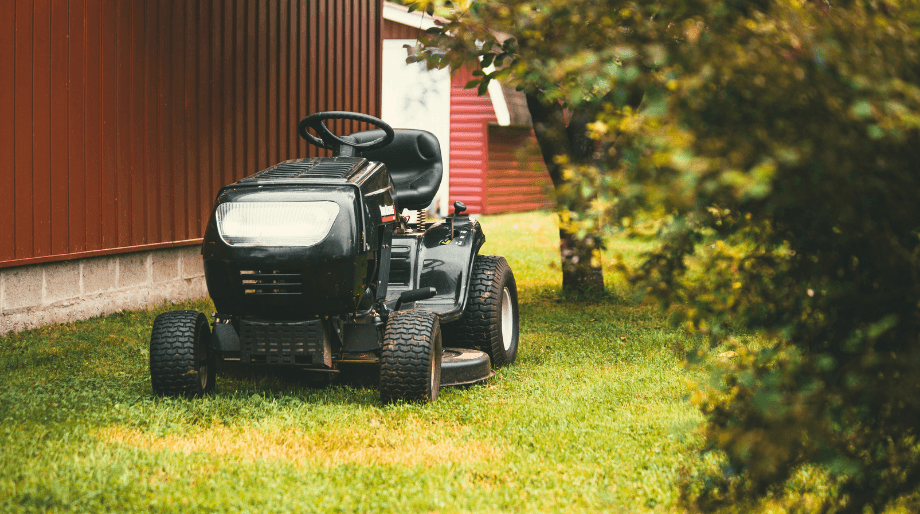
- Turf cutters and scarifiers - Essential for lawn renovation work as grass begins growing again. Spring is the ideal window for this work before summer dormancy.
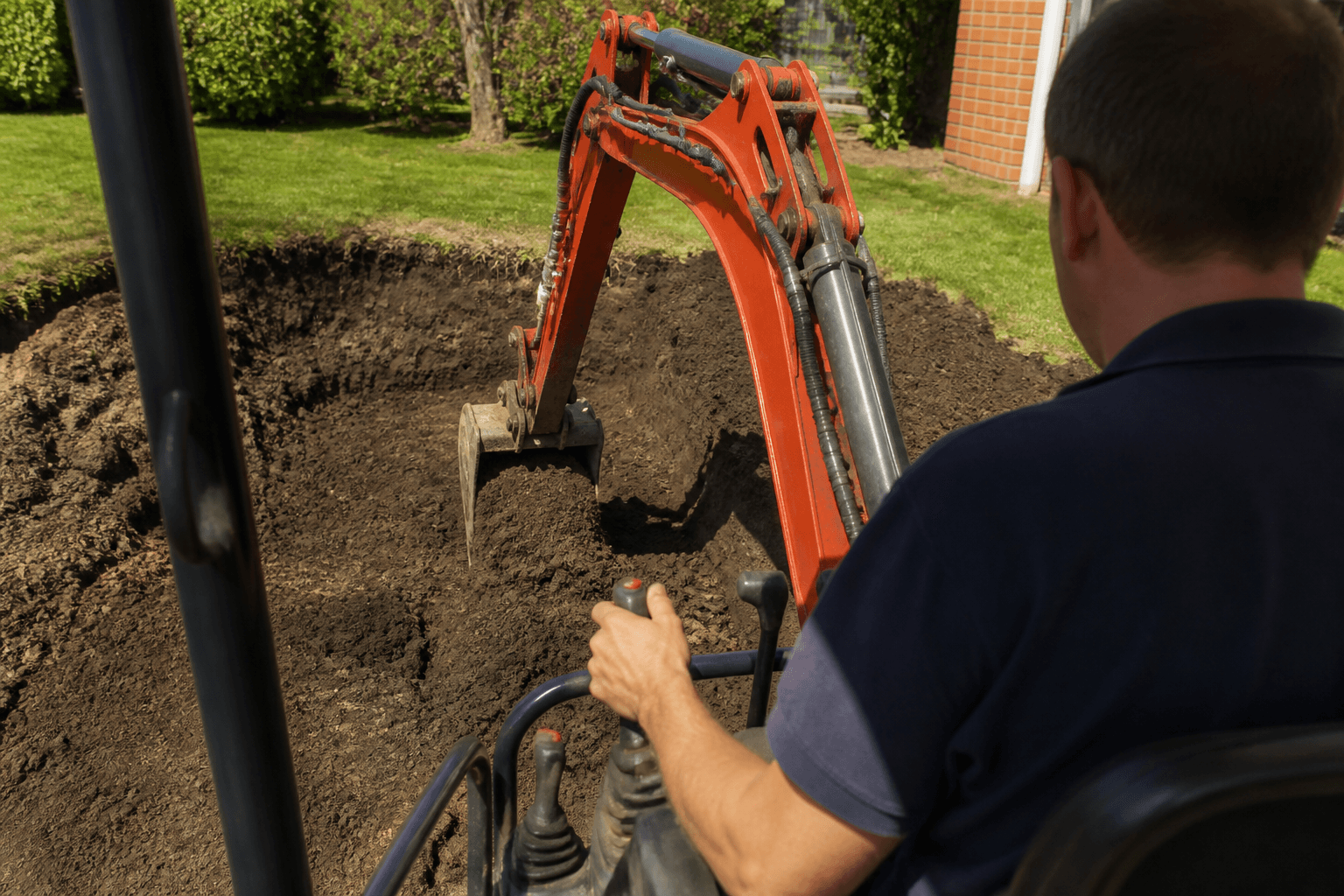
- Mini diggers and excavators - Popular for pond building, landscaping, and small construction projects now that the ground's workable.
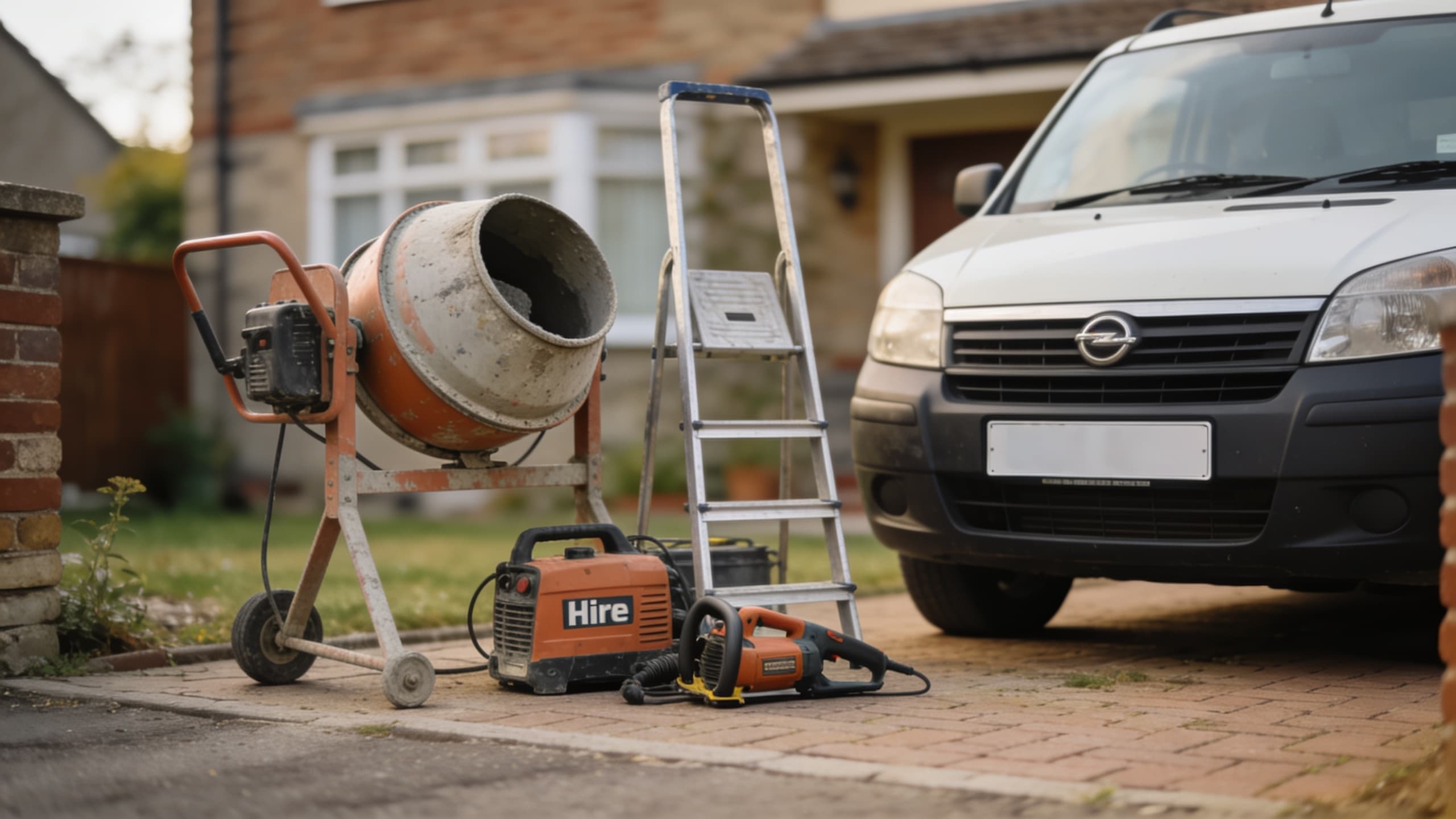
- Pressure washers - Your home's taken a battering over winter; spring cleaning equipment helps you restore patios, driveways, and exterior walls.
- Scaffolding and access platforms - Building projects resume; if you've got roofing or external work planned, secure this early.
- Event equipment - Tables, chairs, marquees, and lighting for the explosion of spring celebrations and outdoor functions.
Rather than hiring everything at once, think about your project timeline. A phased approach often saves money and storage headaches.
Understanding Your Driving Licence Requirements
Here's something many people overlook: not every trailer can be towed by every driver. The DVSA (Driving and Vehicle Standards Agency) sets strict rules about what you can legally pull, and they're worth understanding properly.
If you passed your driving test after 19 December 1991, your licence category B (standard car licence) allows you to tow a trailer with specific restrictions. Generally, you can tow a trailer as long as the combined maximum authorised mass (MAM) of your car and trailer doesn't exceed 3,500kg. However, if the trailer's MAM exceeds the car's kerbside weight, you'll need category B+E - which requires additional training and testing.
Always check your trailer hire company's documentation before you leave their yard. They should confirm your vehicle's towing capacity and the trailer's specifications. If there's any doubt, ask - it's genuinely better to have five minutes' conversation than face a potential £1,000 fine or worse.
Quick licence checklist before hiring a trailer:
- Check what category you actually hold (your photocard states this clearly)
- Confirm your vehicle's towing capacity with the manufacturer or handbook
- Ask the hire company for the trailer's MAM
- Ensure you've got appropriate insurance - many policies exclude trailer use unless specifically added
Spring Equipment Hire: Weather and Storage Planning
Spring weather in the UK is gloriously unpredictable. You might get three glorious days followed by a week of rain, which genuinely affects your equipment hire strategy. Unlike summer, when you can confidently schedule a week's work, spring requires flexibility.
Consider hiring equipment for slightly longer than your optimistic estimate. If you've budgeted four days for a landscaping project, hire for six. The weather delays happen, and extending a hire by a day or two costs far less than rushing work or rebooting the hiring process mid-project.
Storage's another consideration. Spring equipment like scarifiers and turf cutters take up real space. Check you've got adequate dry storage before hire arrives, particularly for electrical equipment. A damp garden shed isn't suitable for pressure washers or powered tools.
Getting the Best Value This Spring
Spring competition between hire companies works in your favour if you're strategic. Rather than accepting the first quote, use GetBrent to compare several local providers. You'll notice significant price variations, particularly between independent operators and larger chains.
Weekly rates typically offer better value than daily rates for anything longer than three days. If your project spans a bank holiday weekend, confirm whether you're paying extra - some companies charge, others don't.
Damage deposits are standard, but inspect equipment thoroughly before leaving the hire yard. Photograph any existing damage and ensure it's documented. This protects you when returning equipment.
Get Spring-Ready with Local Hire Companies
Spring's your best season for getting brilliant value on quality equipment, but only if you plan ahead and book smart. Use GetBrent.co.uk to find and compare equipment hire companies in your local area. You'll discover competitive rates, read genuine customer reviews, and connect with specialists who actually understand spring projects. Whether you need a simple garden trailer or complex landscaping equipment, GetBrent connects you with the right hire company for your spring plans.