No government-issued licence is required to hire most power tools in the UK, but that does not mean you can simply pick up any piece of equipment and use it without restriction. Whether you need training, a card or a formal certificate depends on the type of equipment, where you are using it, and whether money is changing hands for the work.
The Basic Rule: No Licence, But Competence Is the Law
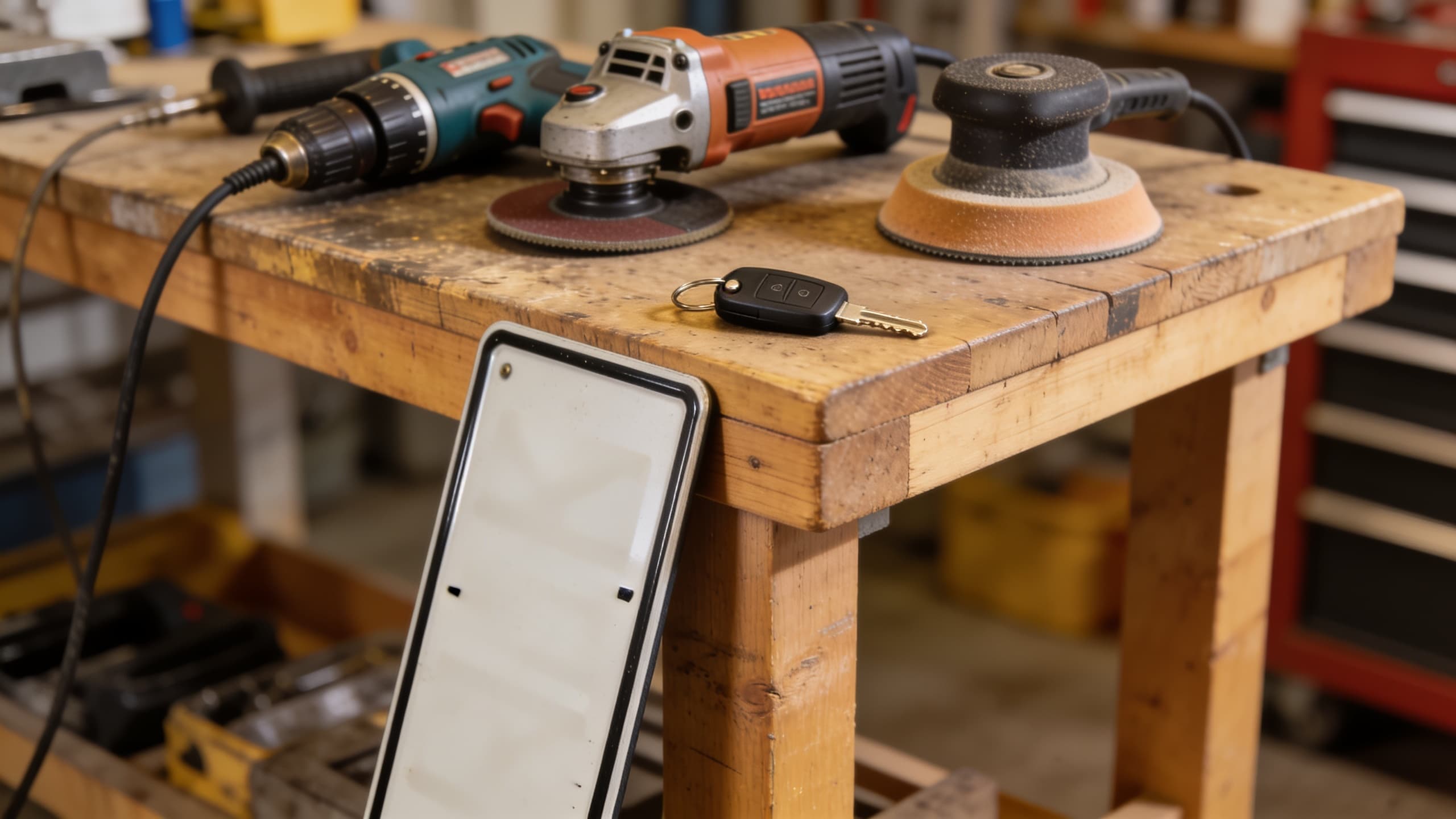
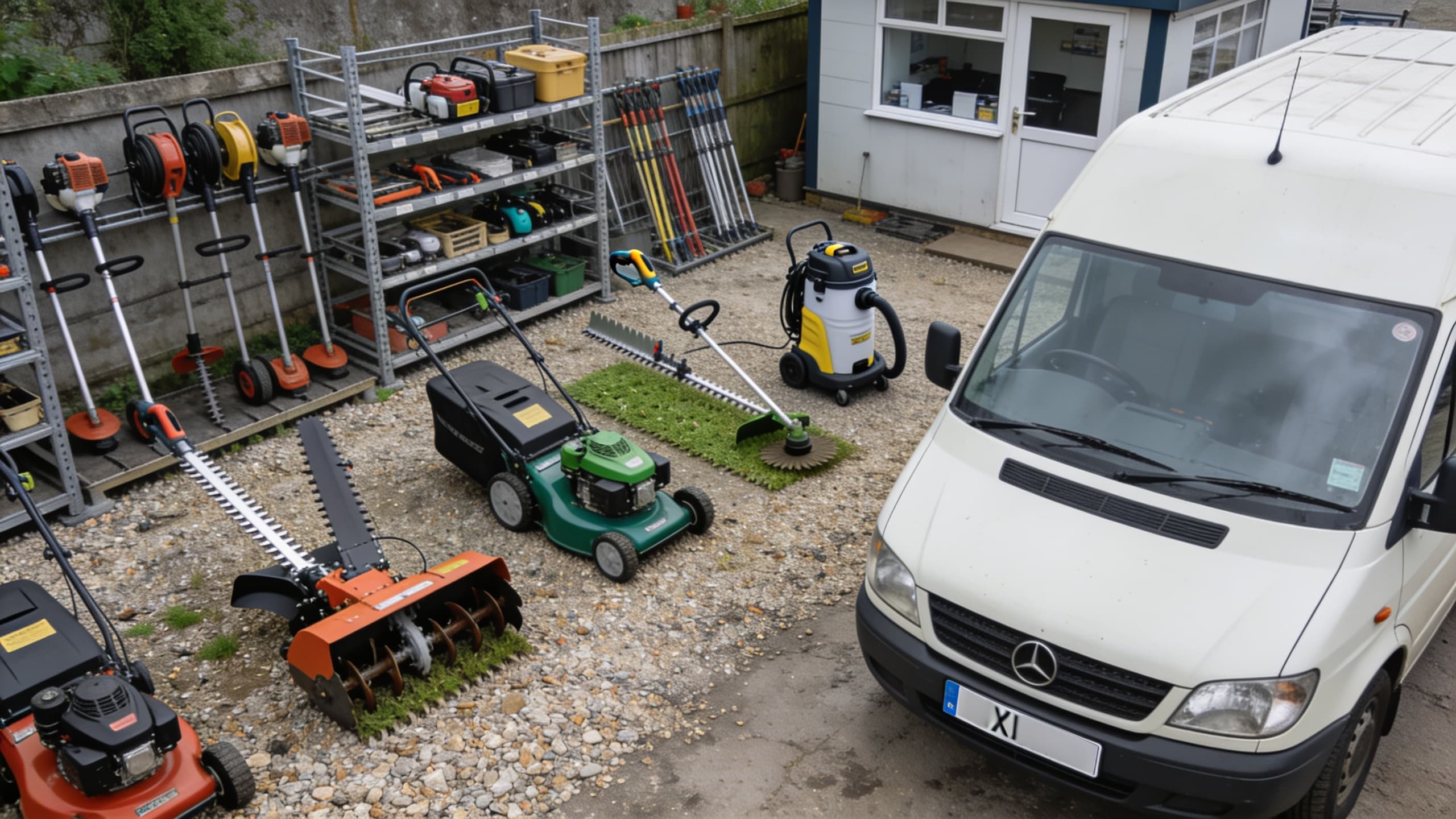
For the majority of hand-held and power tools - drills, angle grinders, pressure washers, plate compactors, floor sanders and similar items - no licence is required to hire or operate them, whether you are a householder tackling a DIY project or a sole trader doing a single job.
The law does, however, require that anyone using such equipment is competent to do so safely. The Health and Safety Executive (HSE) enforces this through the Provision and Use of Work Equipment Regulations 1998 (PUWER). Regulation 9 of PUWER states that employers must ensure all people who use work equipment have received adequate training for health and safety purposes. The same principle extends to self-employed workers and anyone who is being paid to carry out a task using hired-in tools.
In practice, a competent user is someone who understands how to operate the equipment correctly, knows what personal protective equipment (PPE) is needed, and can recognise when something is wrong before it causes harm. The hire company is not responsible for teaching you this, though most depots will walk through basic operation on collection or delivery.
When Training or a Card Becomes Necessary
Certain categories of hired equipment carry stricter requirements. If you are using any of the following on a commercial or construction site, formal training and, in most cases, an operator card are expected as a matter of both law and standard site practice:
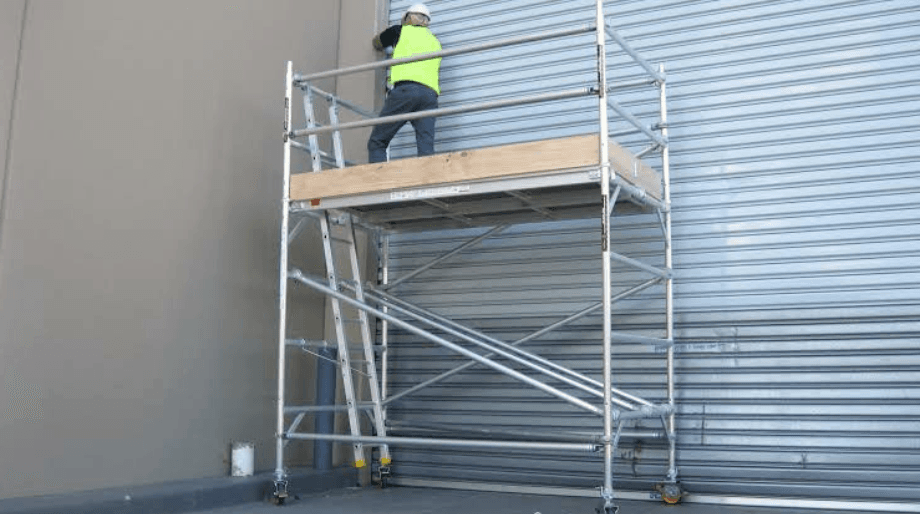
- Mobile Elevating Work Platforms (MEWPs) - scissor lifts, boom lifts and similar access equipment. The HSE's Work at Height Regulations 2005 and PUWER together make it clear that operators must be trained and competent. The industry-recognised route is training to IPAF (International Powered Access Federation) standard, with an operator card issued on completion.
- Ground-breaking plant and excavators - mini diggers, tracked excavators and similar machines. No government driving licence is needed to operate plant on private land, but on a managed construction site a CPCS (Construction Plant Competence Scheme) or NPORS (National Plant Operators Registration Scheme) card is almost always required by the principal contractor, regardless of what the law strictly demands.
- Chainsaws and similar high-risk cutting tools - the HSE recommends formal training and expects evidence of competence for workplace use. The relevant standard is Lantra or City & Guilds chainsaw certification.
- Generators used on site - no licence is needed, but electrical connections must comply with the Electricity at Work Regulations 1989, and a qualified electrician must carry out any fixed-wiring connection.
If in doubt, ask the hire company before you book. A reputable depot will tell you exactly what is expected for the machine you are enquiring about.
Age Restrictions You Need to Know
Age is a separate matter from licensing. In the UK, you must be at least 18 to purchase or hire power tools fitted with blades or cutting discs. For other powered equipment used in a workplace, the legal minimum working age is generally 16, but the HSE requires a full risk assessment and appropriate supervision for any young worker operating potentially dangerous machinery. Most hire companies apply an 18-year minimum as a blanket policy regardless of the specific tool.
What Hire Companies Are Allowed to Ask For
A hire company is entitled to ask for proof of competence before releasing specialist equipment. This is not just commercial caution - the hire company itself has duties under PUWER and the Health and Safety at Work etc. Act 1974 not to knowingly provide equipment to someone who cannot use it safely.
For a standard cordless drill or a pressure washer, you will almost certainly be asked only for ID and a payment method. For a cherry picker or a large generator intended for a commercial site, the depot may ask to see an IPAF card or evidence of relevant training before the booking is confirmed. This is normal practice and protects both parties.
A quick pre-hire checklist worth running through before you collect:
- Do I know how to operate this equipment safely, or do I need a demonstration?
- Is the job domestic (my own property, unpaid) or commercial (on a site or being paid)?
- Does this category of equipment require an operator card on the site I am working on?
- Do I have the right PPE - eye protection, hearing protection, gloves, safety footwear?
- Have I read the manufacturer's instructions or the hire company's briefing sheet?
Finding a Company That Will Guide You Through This
The licensing and training picture varies enough between equipment types that the most reliable approach is always to speak to a local hire company directly before booking. A good depot will ask about your intended use, confirm whether any card or certificate is needed, and point you to a training provider if you do not already hold the right qualification. You can browse tool hire companies across the UK on GetBrent, or search for firms closer to home such as tool hire in London or tool hire in Harrow to find depots you can speak to directly.
GetBrent is a free UK marketplace where you can compare local tool and equipment hire companies, see what each firm offers, and contact them directly. Search by location, read what companies list, and get in touch with the depot that best fits your project - whether you need a power tool for a weekend job or access equipment for a longer contract.