
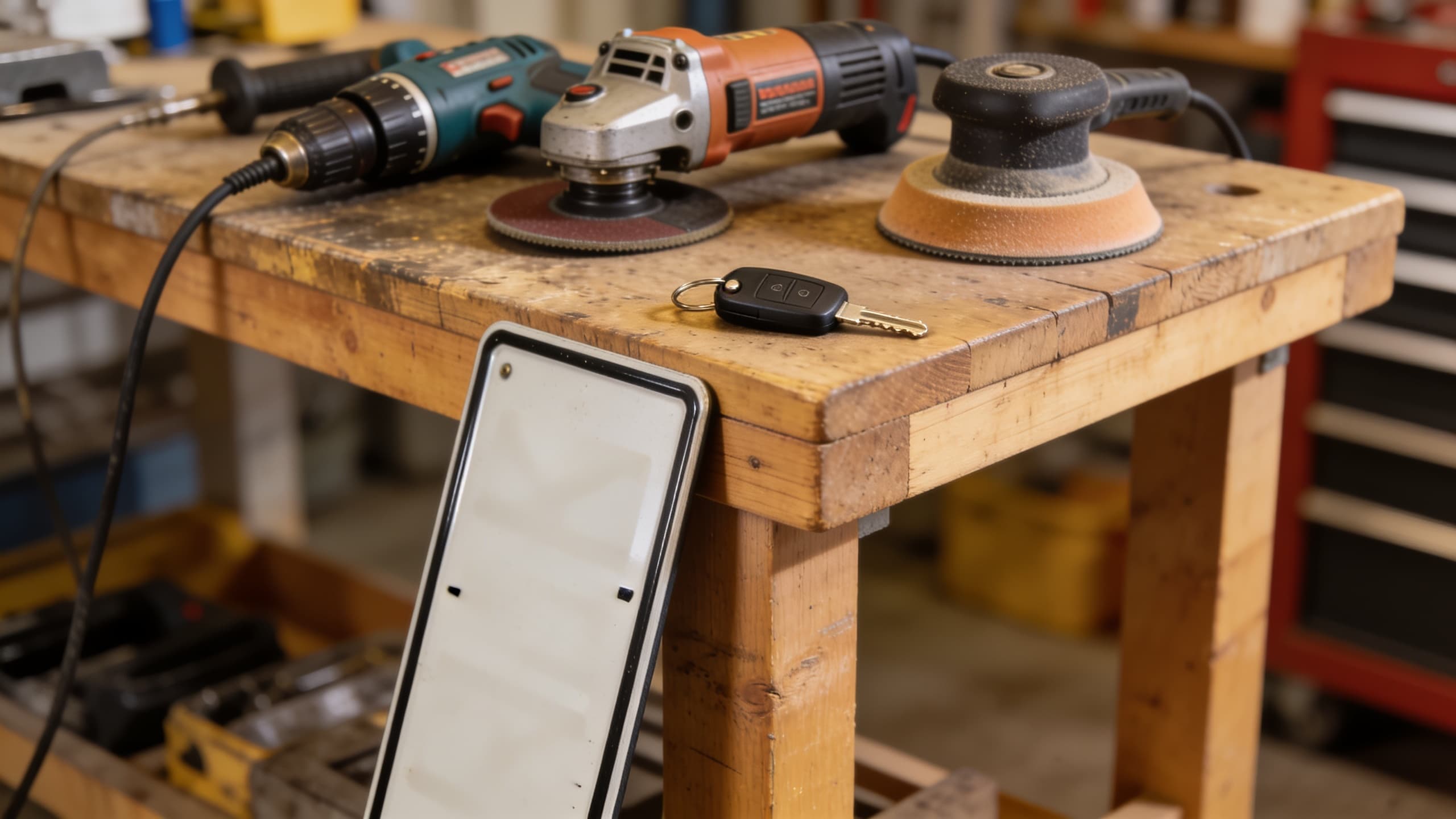
Hand arm vibration exposure is regulated in the UK by the Health and Safety Executive under the Control of Vibration Regulations 2005. The rules set daily exposure limits to protect workers from vibration injury, also known as vibration white finger or hand arm vibration syndrome. Knowing the trigger times for common tools is essential for anyone hiring equipment or managing a work site.
What the HSE Rules Actually Require
The HSE sets two key thresholds. The daily exposure action level is 2.8 metres per second squared - the point at which an employer must take action to reduce exposure. The daily exposure limit value is 5.6 metres per second squared - a ceiling that must not be exceeded.
These limits are measured over an 8-hour working day. The calculation combines the intensity of vibration from the tool with the amount of time the worker holds and operates it. A tool that vibrates heavily will reach the action level faster than one with lower vibration output.
Employers and site managers are responsible for assessing vibration risk, providing information to workers, and implementing control measures. This includes choosing lower-vibration tools where possible, limiting exposure time, and ensuring workers understand the risks.
Trigger Times for Common Power Tools
Trigger time is how long a worker can safely use a tool before hitting the action level. The actual time depends on the specific tool model, because manufacturers measure and publish vibration data for each piece of equipment.
As a general guide, tools with high vibration output - such as angle grinders, concrete breakers, and needle scalers - can reach action levels within minutes to an hour of continuous use. Orbital sanders and jig saws typically allow several hours of use before the action level is reached. Drill drivers with lower vibration emission may not reach the threshold in a standard working day.
The manufacturer's information sheet for any tool should state the vibration value in metres per second squared. Site managers and equipment hirers can use this figure to calculate safe trigger times and plan work schedules accordingly.
Practical Steps to Manage Vibration Exposure
Protecting workers starts with planning and the right equipment choice. The following checklist helps manage vibration risk on site:
- Request vibration data from the tool hire company before selecting equipment - ask for the manufacturer's stated vibration value
- Calculate or request the trigger time for the specific task and number of workers available
- Rotate workers between tasks so no individual exceeds the action level in a single day
- Implement rest breaks and job variety to reduce continuous exposure to the same high-vibration tool
- Choose lower-vibration alternatives where the job allows - for example, some powered tools produce less vibration than older models
- Maintain equipment well, as wear and damage increase vibration output
- Brief all workers on the risk and the exposure limits applying to their role
- Keep records of who used which tools and for how long, to demonstrate compliance
When hiring tools for hire, inform the supplier of the task and ask whether they recommend alternatives with lower vibration ratings. Experienced hire companies will understand exposure limits and can suggest equipment suited to both the job and the available workforce.
Health Surveillance and Worker Awareness
Workers who are regularly exposed to hand arm vibration should be offered health surveillance, including questioning about symptoms such as numbness, tingling, or whitening of the fingers in cold conditions. Early detection of vibration-related illness helps prevent long-term damage.
Employers must provide workers with information about the risks of hand arm vibration and the steps being taken to control it. This is not a box-ticking exercise - workers who understand why exposure is limited are more likely to follow safe working practices and report concerns.
The HSE publishes guidance on hand arm vibration assessment and control, and this should be the first point of reference for site managers and equipment users. The guidance includes worked examples of trigger time calculations and lists typical vibration values for common tools.
Finding the Right Equipment Hire Partner
Choosing a reputable tool hire company reduces the burden of compliance. A good hire partner will provide vibration data on request, advise on tool selection for your task, and maintain equipment to keep vibration levels as low as possible. Whether you are based in London or elsewhere across the UK, GetBrent.co.uk connects you with local equipment hire providers who understand these obligations and can support your site's health and safety standards.