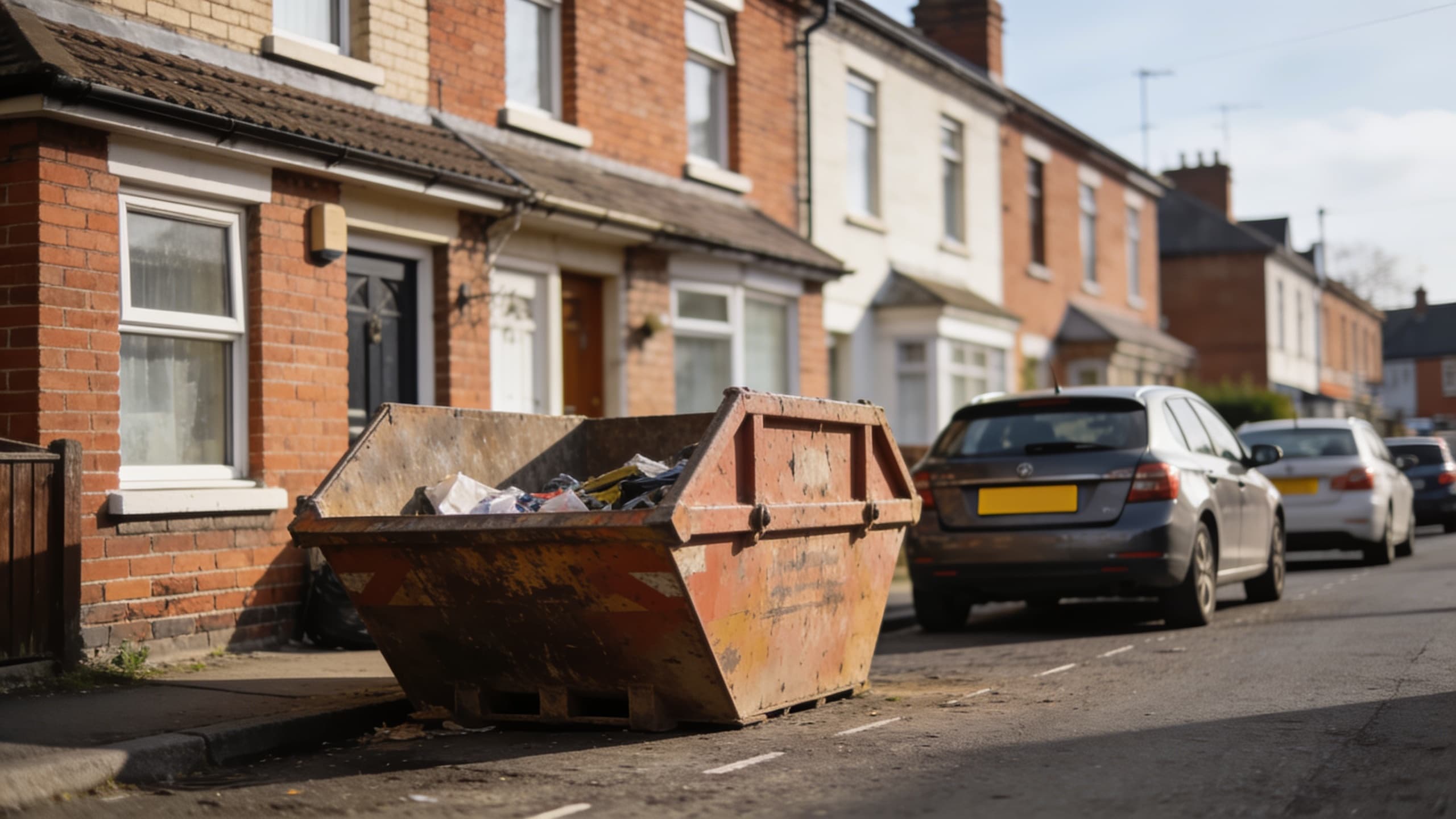
Hazardous waste cannot be thrown away in standard skips or household bins. Many materials commonly found on building sites, in garages, sheds and during property clearances are classed as hazardous under UK environmental law, and disposing of them incorrectly is illegal and dangerous.
Understanding what counts as hazardous waste, and how to handle it properly, protects your health, your legal standing and the environment. This guide covers the main categories, the rules that apply, and how to find the right disposal route.
What is Hazardous Waste?
Hazardous waste is material that poses a risk to human health or the environment because of its toxic, flammable, corrosive, reactive or infectious properties. In the UK, the Environment Agency (or SEPA in Scotland) and your local council regulate hazardous waste under the Environmental Protection Act 1990 and the Environmental Permitting Regulations.
Hazardous waste must not be disposed of in ordinary domestic or commercial waste streams. Mixing hazardous materials with general refuse is an offence and can result in prosecution, fines and cleanup costs.
Common Types of Hazardous Waste
The following materials are classified as hazardous and require specialist disposal:
- Asbestos: Found in older buildings, insulation, roof tiles and cement products. Even small amounts require certified handling and disposal at a licensed facility.
- Oils and fuels: Engine oil, hydraulic oil, diesel and petrol. These are toxic and flammable.
- Batteries: Car batteries, rechargeable batteries and lithium batteries contain corrosive and toxic materials.
- Solvents and paints: Thinners, white spirit, varnish stripper and any paint containing harmful solvents.
- Pesticides and herbicides: Garden chemicals and old stock that cannot be used.
- Electrical items: Fridges, freezers, air conditioning units and some large electrical appliances contain refrigerant gases and oils that must be recovered before disposal.
- Fluorescent tubes and gas discharge lamps: These contain mercury and require safe handling.
- Contaminated materials: Soil, rags, or absorbent materials soaked in oil, fuel or solvents.
- Aerosol cans: Even empty cans are pressurised and flammable.
Legal Obligations
Anyone producing hazardous waste - whether a householder, contractor or business - is responsible for ensuring it is handled, stored and disposed of correctly. The Environment Agency expects waste producers to document their hazardous waste and use only licensed waste carriers and authorised treatment facilities.
If you hire a clearance or demolition firm, confirm they hold the correct waste carrier licenses and environmental permits. Reputable clearance disposal companies will assess your property, identify hazardous materials, and arrange proper disposal. They should provide you with waste transfer documentation.
Failure to dispose of hazardous waste correctly can result in enforcement action by the Environment Agency or local authority, including prosecution and substantial fines.
How to Dispose of Hazardous Waste
Do not attempt to dispose of hazardous waste yourself. The correct route is to use a licensed waste management company or take materials to an authorised facility.
For householders:
- Contact your local council. Many run hazardous waste collection days or have designated drop-off points.
- Some retailers take back batteries, paint and electrical items free of charge.
- For larger quantities or building works, hire a licensed waste carrier to remove and dispose of hazardous materials.
For builders, contractors and businesses:
- Segregate hazardous waste on site into separate, labelled containers.
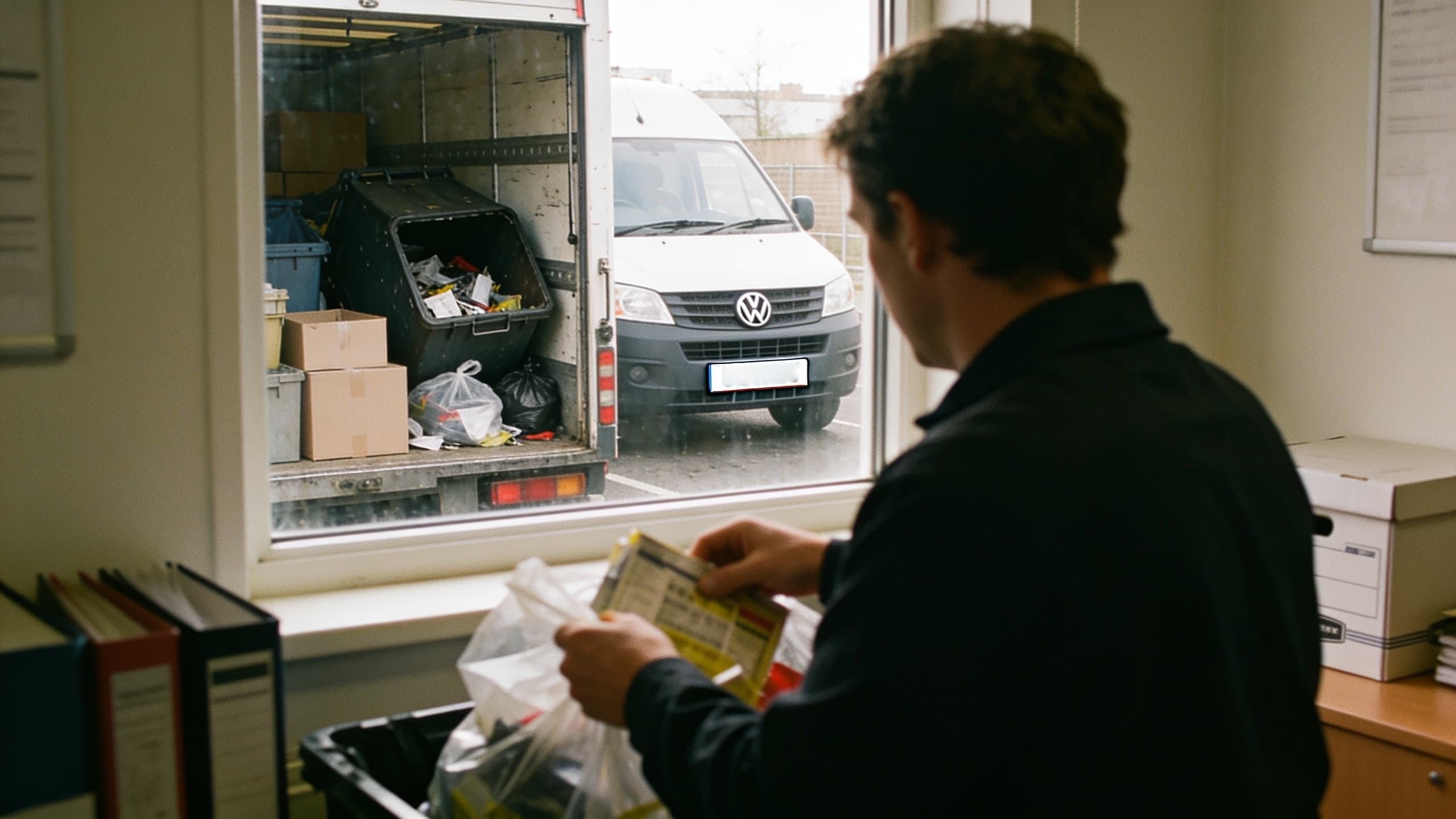
- Keep waste transfer notes and records.
- Use only licensed waste carriers. Check their registration with the Environment Agency.
- Ensure materials are taken to an authorised treatment or disposal facility.
Practical Checklist for Clearance Projects
Before you start a clearance, renovation or demolition project, work through this list:
- Survey the property for asbestos, oils, solvents, batteries and electrical equipment. Older buildings are higher risk.
- Do not disturb or remove asbestos yourself. Hire a licensed asbestos removal contractor.
- Segregate hazardous items into separate, labelled containers away from general waste.
- Confirm that any hired clearance firm or waste contractor holds current waste carrier licenses.
- Keep all waste transfer documentation for your records.
- Use separate skips or specialist containers for hazardous waste - never mix with household waste.
- Contact your local council about collection points or disposal services available in your area.
The cost of proper hazardous waste disposal depends on the type, quantity, location and the contractor's rates. Costs are typically driven by the complexity of removal, transport distance to an authorised facility, and any laboratory testing or specialist handling required. Always confirm fees with the waste carrier or your council before committing.
Hiring experienced professionals ensures your waste is handled safely and you remain compliant with environmental law. GetBrent connects you with licensed clearance and waste firms across the UK who understand these regulations and can advise on the right disposal route for your project.