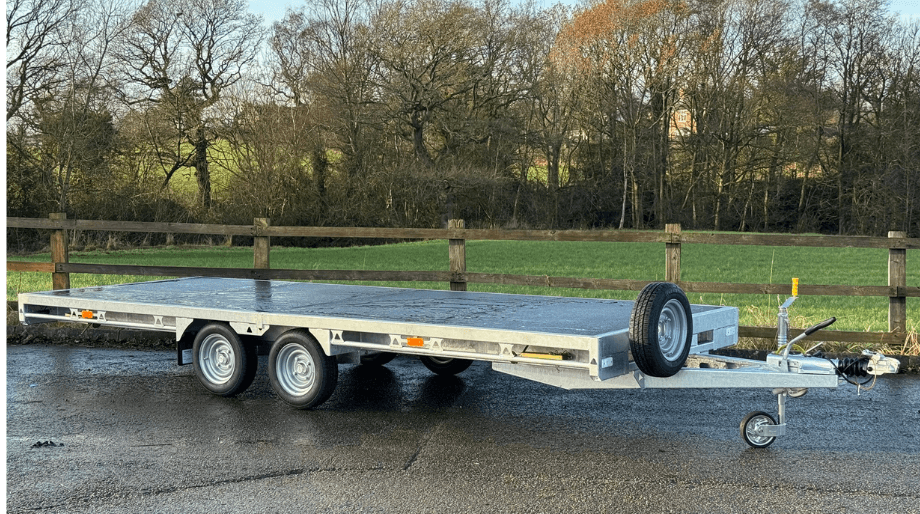
To calculate unladen weight, start with the weight of the vehicle or trailer as equipped for normal road use - body, permanent fixtures and fittings included - then subtract nothing, because the figure is simply that empty, road-ready weight. Cargo, passengers, loose tools and loose equipment are all excluded from it. Payload is then calculated by subtracting the unladen weight from the Gross Trailer Weight (GTW), giving the maximum load the trailer can legally carry.
What the law says unladen weight includes and excludes
Under the Road Vehicles (Construction and Use) Regulations 1986, unladen weight means the weight of a vehicle or trailer inclusive of the body and all parts which are necessary to or ordinarily used with the vehicle or trailer when working on a road, but exclusive of the weight of water, fuel or accumulators used for the purpose of the supply of power for the propulsion of the vehicle, and of loose tools and loose equipment.
The DVSA confirms this in its MOT inspection manual: ULW (unladen weight) is the weight of a vehicle inclusive of the body and all parts which are ordinarily used with the vehicle when working on a road, but unladen weight does not include the weight of water or fuel used for the propulsion of the vehicle, or of loose tools and loose equipment.
In plain terms: if a ramp is bolted to the trailer, it is part of the unladen weight. If a ramp is removable and carried as part of a load, it is not. Permanent fixtures count; removable payload does not. For more background, see our full guide to unladen weight.
The formula: working out payload from unladen weight
Once the unladen weight is known, the payload calculation is straightforward:
- Find the Gross Trailer Weight (GTW) - the maximum permissible loaded weight, shown on the trailer's data plate or identification plate.
- Find the Unladen Weight (ULW) - also on the data plate, in the handbook, or on the manufacturer's spec sheet.
- Subtract: GTW minus ULW equals maximum payload.
Exceed the GTW and the vehicle is overloaded, which is an offence on a public road.
Where to find the unladen weight figure
There are four reliable sources for a trailer's unladen weight:
- The data plate or identification plate. The unladen weight is typically shown alongside it.
- The manufacturer's handbook or spec sheet. Check the model-specific document, as weights can vary between build options or optional extras.
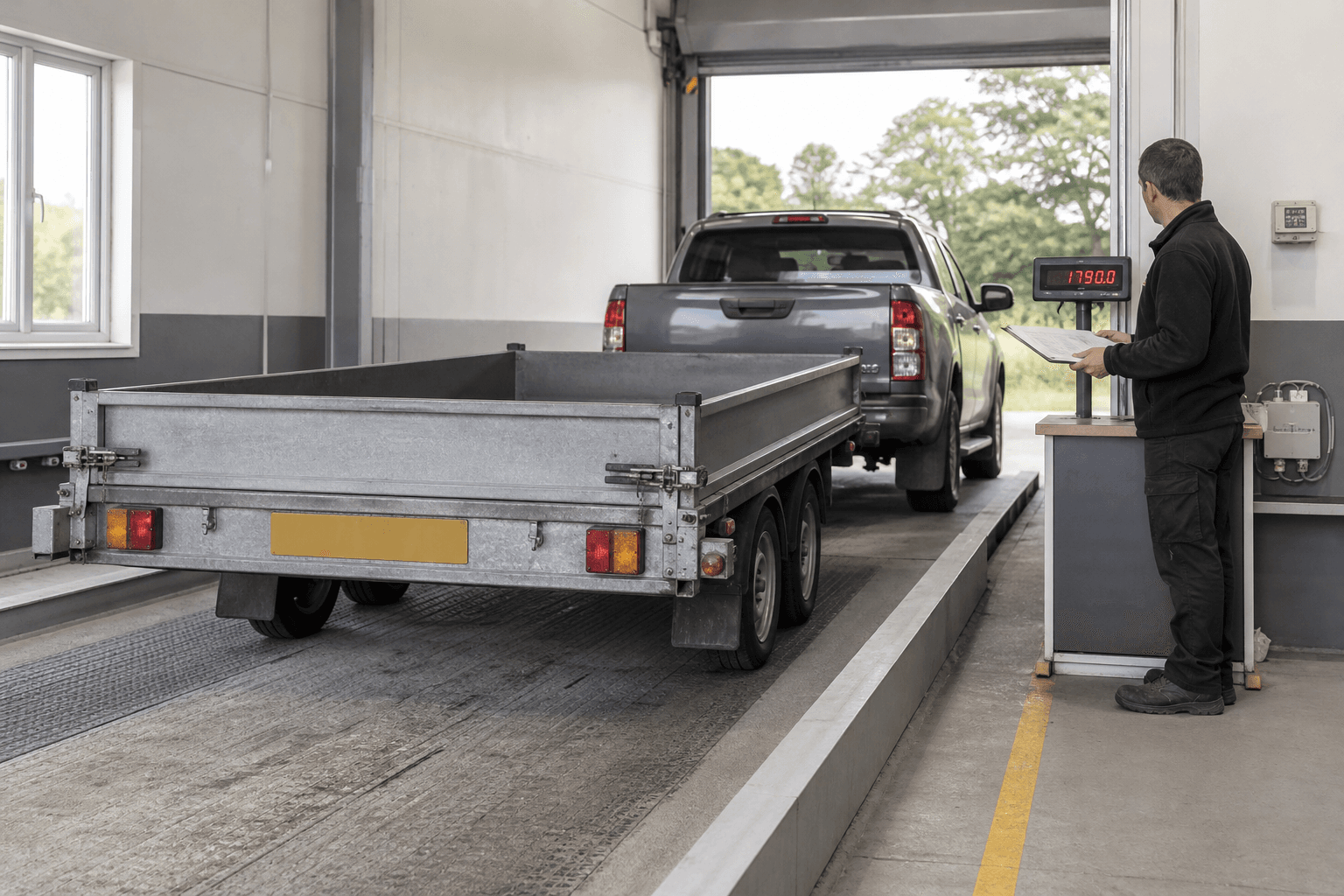
- A public weighbridge. You can find your nearest weighbridge operator at gov.uk/find-weighbridge.
- The hire company or previous owner. If you are hiring a trailer, the hire firm should be able to supply the unladen weight and GTW before you collect.
If the plate is worn, missing or illegible, do not estimate the figure. Weigh the empty trailer at a public weighbridge and keep the printed ticket as a record.
Why unladen weight matters for towing and licensing
This threshold affects whether an operator licence is required for certain commercial uses.
For drivers hiring or buying trailers for local jobs - whether you need trailer hire in London or trailer hire in Maidstone - checking the unladen weight before loading is essential to staying within the legal limit for your vehicle and licence category.
Practical checklist: calculating unladen weight correctly
- Locate the data plate on the trailer - usually near the drawbar or on the chassis rail.
- Note both the unladen weight (ULW) and the gross trailer weight (GTW) shown on the plate.
- Confirm the figures match the handbook or spec sheet. If they conflict, use the lower GTW figure and verify with the manufacturer.
- Remove all removable items - tools, ramps that are not permanently fixed, straps, boxes - before you weigh or check the plate figure.
- If the plate is absent or unreadable, use the GOV.UK weighbridge locator to find a public weighbridge, and weigh the empty trailer to obtain a certified tare weight.
- Keep a copy of the plate photograph or weighbridge ticket with your hire or purchase documents.
- Never load beyond GTW minus ULW, regardless of how the load feels on the road.
Find a trailer and check the weights before you hire
GetBrent brings together trailer hire companies, plant firms, van operators and trades across the UK, making it straightforward to compare options and confirm the right specification - including unladen weight and payload - before you commit. Search GetBrent to find local providers who can supply the data plate details and loading guidance you need before the job begins.