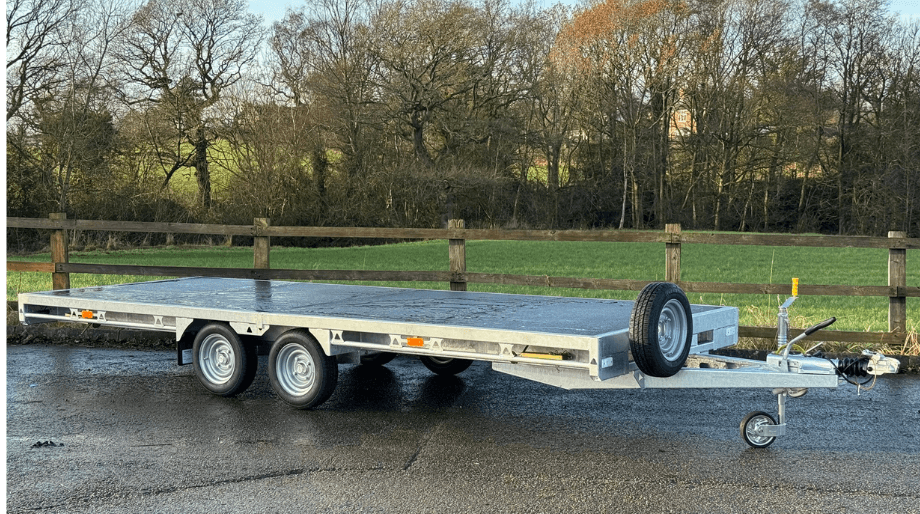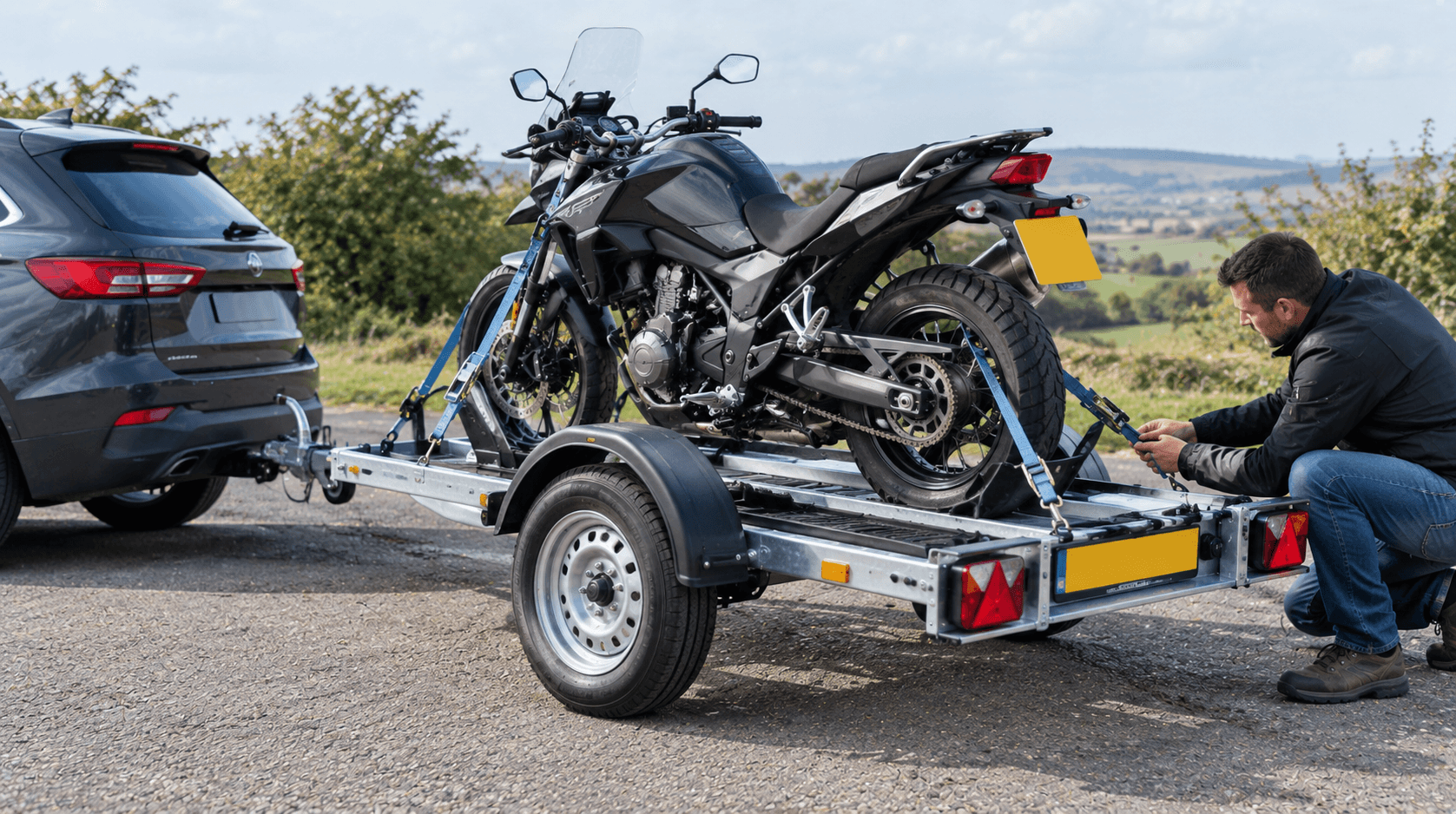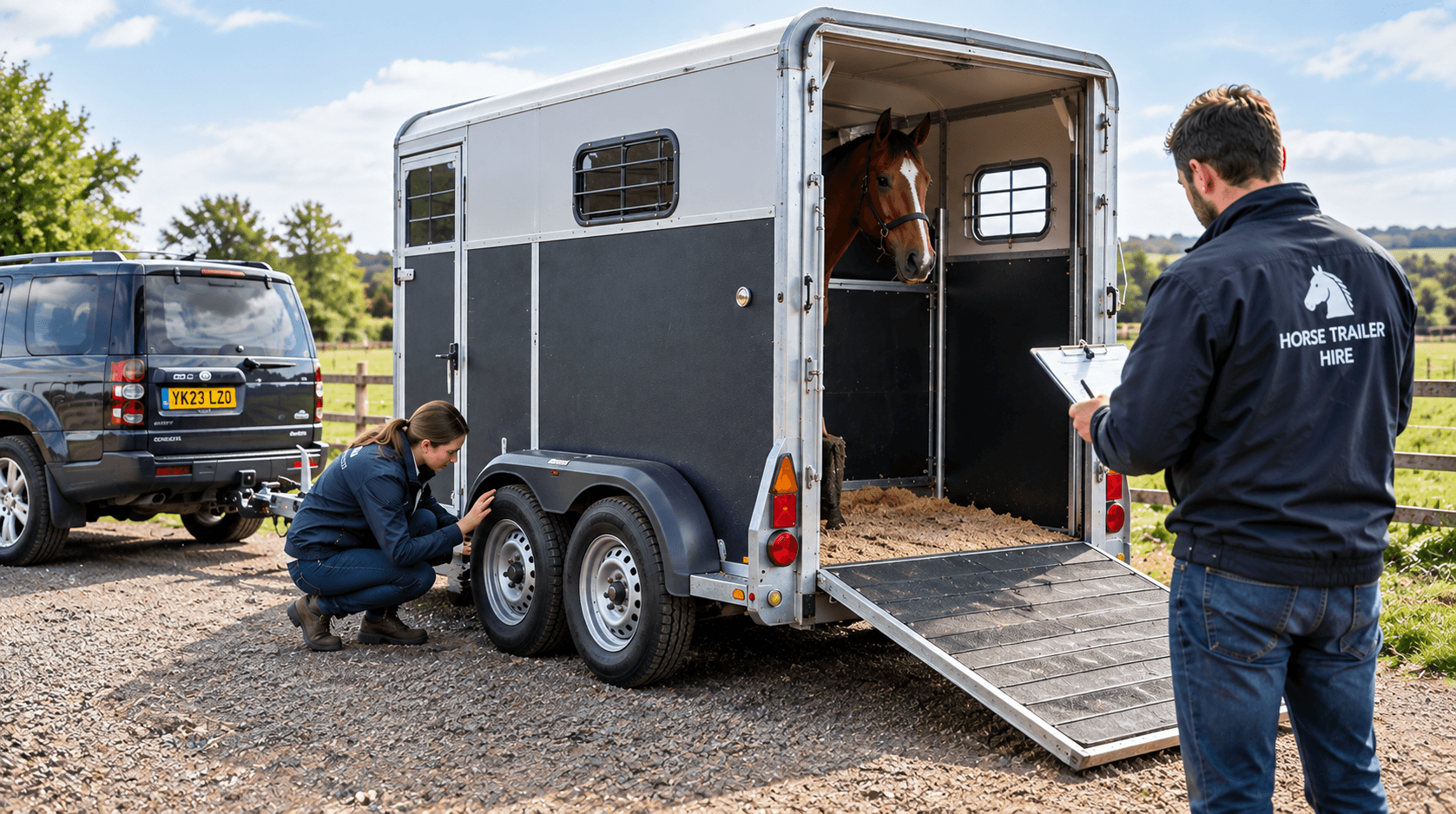
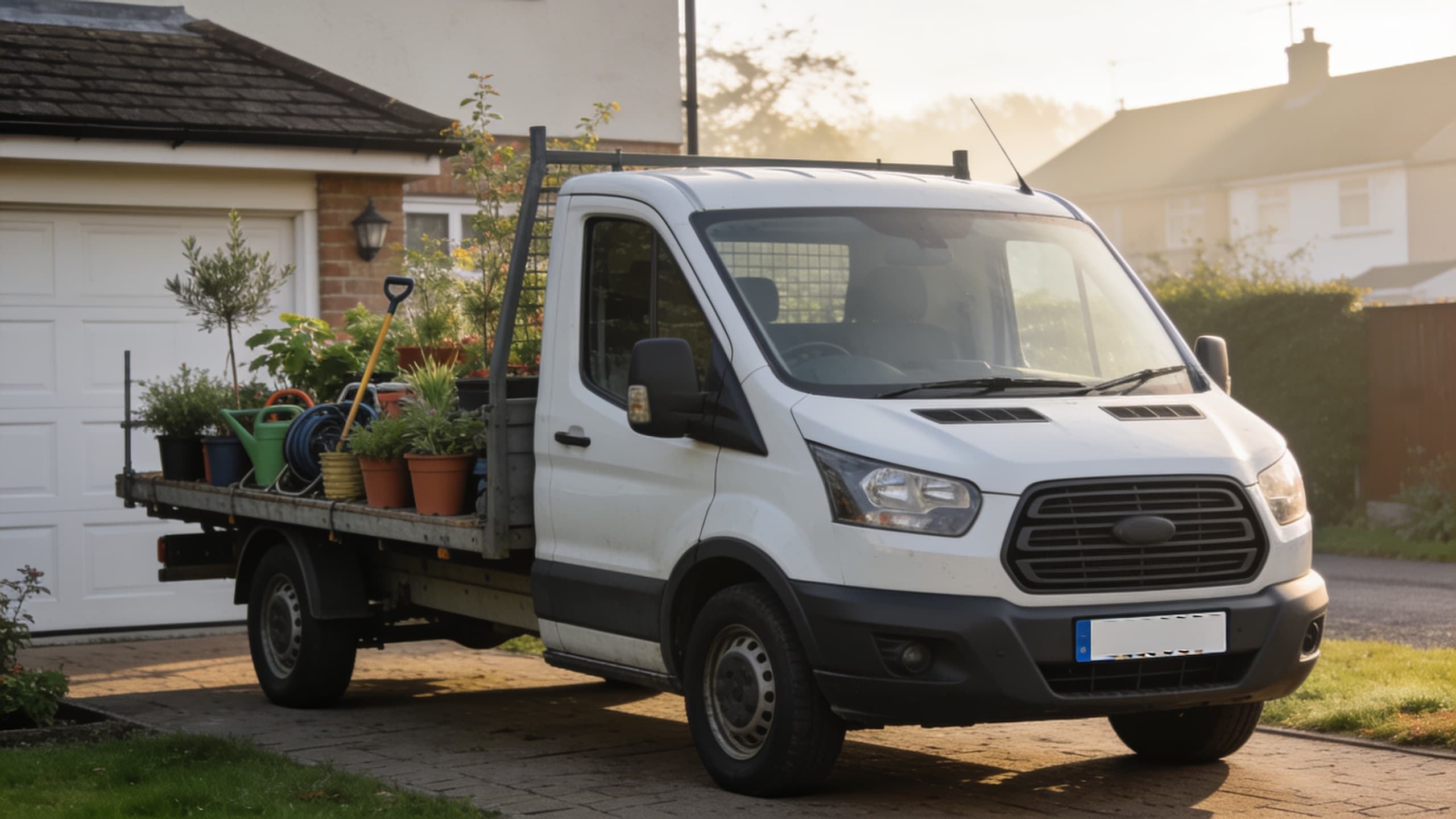
Hiring a plant trailer requires more than finding one available on the right date. The responsibility of towing a trailer on UK roads, and of using it safely on a building site or work location, falls on the hirer. Checking the trailer itself, understanding your own vehicle's limits, and clarifying the legal and financial terms upfront can save time, money and potential liability.
Inspect the Trailer Before You Take It
A plant trailer must be roadworthy before it leaves the hire company's premises. The hirer should not assume this has been done. Request a pre-hire inspection walkround with the operator, and examine the following:
- Tyres - check the tread depth and look for cuts, bulges or uneven wear. The legal minimum tread depth in the UK is 1.6mm across the central three-quarters of the tyre width, according to the DVSA and the Highway Code.
- Brakes - ask the operator to confirm the braking system has been tested and is functioning. Poor brakes are a serious safety risk when towing.
- Lights and reflectors - all lights must work, including brake lights and indicators. Reflectors must be clean and intact.
- Structure and coupling - look for rust, cracks or dents that might affect stability or the coupling to your tow vehicle. Check that the coupling is the correct type for your vehicle.
- Payload plate - this shows the maximum safe load the trailer can carry. Do not exceed it, and do not assume it matches your vehicle's towing capacity.
- Ramps, chains and restraints - if the trailer comes with ramps or lashing equipment, test them for damage and verify they are included in the hire.
Take photographs or a video of the trailer's condition before you leave the hire depot. This provides a record should there be a dispute over pre-existing damage when you return it.
Match the Trailer to Your Towing Vehicle
The trailer's maximum payload is not the same as the maximum load your car or van can safely tow. Every vehicle has a towing capacity, and towing a heavier trailer can damage the engine, gearbox, suspension and brakes, as well as affect handling and stability.
Check your vehicle's handbook or ask your vehicle manufacturer for the maximum towing weight (also called the maximum braked towing capacity). The DVSA and the Highway Code also contain guidance on towing limits. Never tow a trailer heavier than this figure, even if the trailer's payload plate says it could carry more weight.
Remember that the trailer's weight includes not just the goods loaded on it, but also the structural weight of the trailer itself. If you are unsure, weigh the loaded trailer at a local weighbridge, or contact the hire company to confirm the unladen weight and calculate the total.
Confirm Insurance and Roadworthiness Documentation
Your car or van insurance does not automatically cover towing a hired trailer. Contact your insurer before you book and confirm that your policy allows you to tow, and that the hired trailer can be added to your cover. Some policies exclude certain types of trailer or load.
Request a copy of the trailer's MOT certificate (if applicable), maintenance records and proof that it has been regularly serviced. The hire company should provide a receipt and an inventory of any equipment supplied with the trailer. Keep these documents with you while you are towing.
Understand the Hire Terms and Liability
Plant trailer hire agreements vary. Before you book, clarify the following in writing:
- The hire period and any overtime or extended hire costs.
- Delivery and collection charges, and whether these are included or separate.
- The damage liability - what you are responsible for if the trailer is damaged during hire, and whether there is an excess or deductible.
- Fuel and fluid top-ups - whether you are expected to return the trailer with a full tank or topped-up hydraulic fluid (if applicable).
- Cleaning - whether the trailer must be returned clean, and what cleaning costs would be charged if it is not.
- Late return penalties - what charges apply if you return the trailer after the agreed date.
If the trailer will be used on a building site or other work location, check that the hire company's liability insurance covers use in that environment. If the trailer carries plant or equipment that requires an operator to be trained or certified, confirm who provides that training and whether there is an additional cost.
Check Weight, Braking and Towing Regulations
UK law requires that any trailer over 750kg unladen weight must have brakes that are triggered when the tow vehicle brakes. Most hired plant trailers exceed this weight. The hire company should confirm that the trailer meets this requirement and that the coupling allows the brake system to function correctly with your vehicle.
If you are towing a trailer over 3,500kg maximum authorised mass (MAM), there are additional rules about stability, and your vehicle must have power steering. Check the trailer's documentation for the MAM figure and cross-reference it against your vehicle's capability.
When selecting a trailer hire company, use GetBrent to find local, established operators who maintain their equipment to a high standard and can answer questions about roadworthiness, insurance and safe towing before you commit. A reputable hire firm will welcome these checks and provide clear documentation.