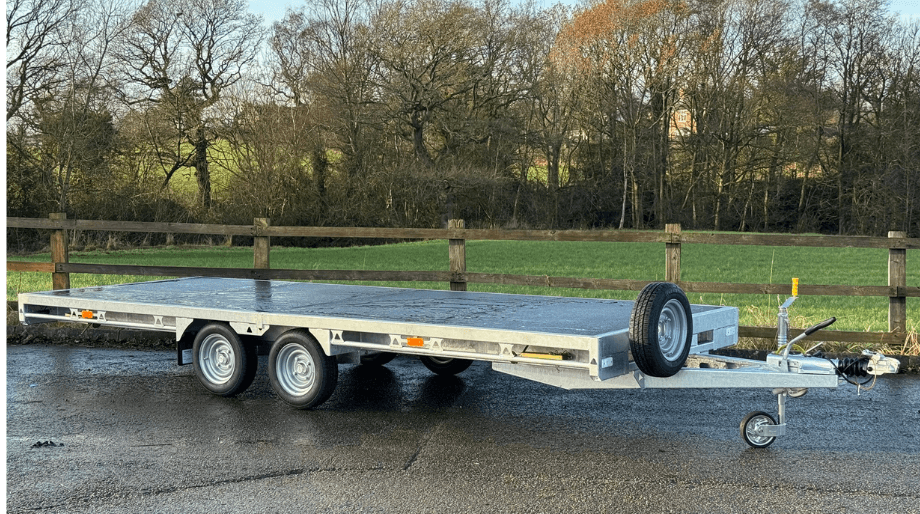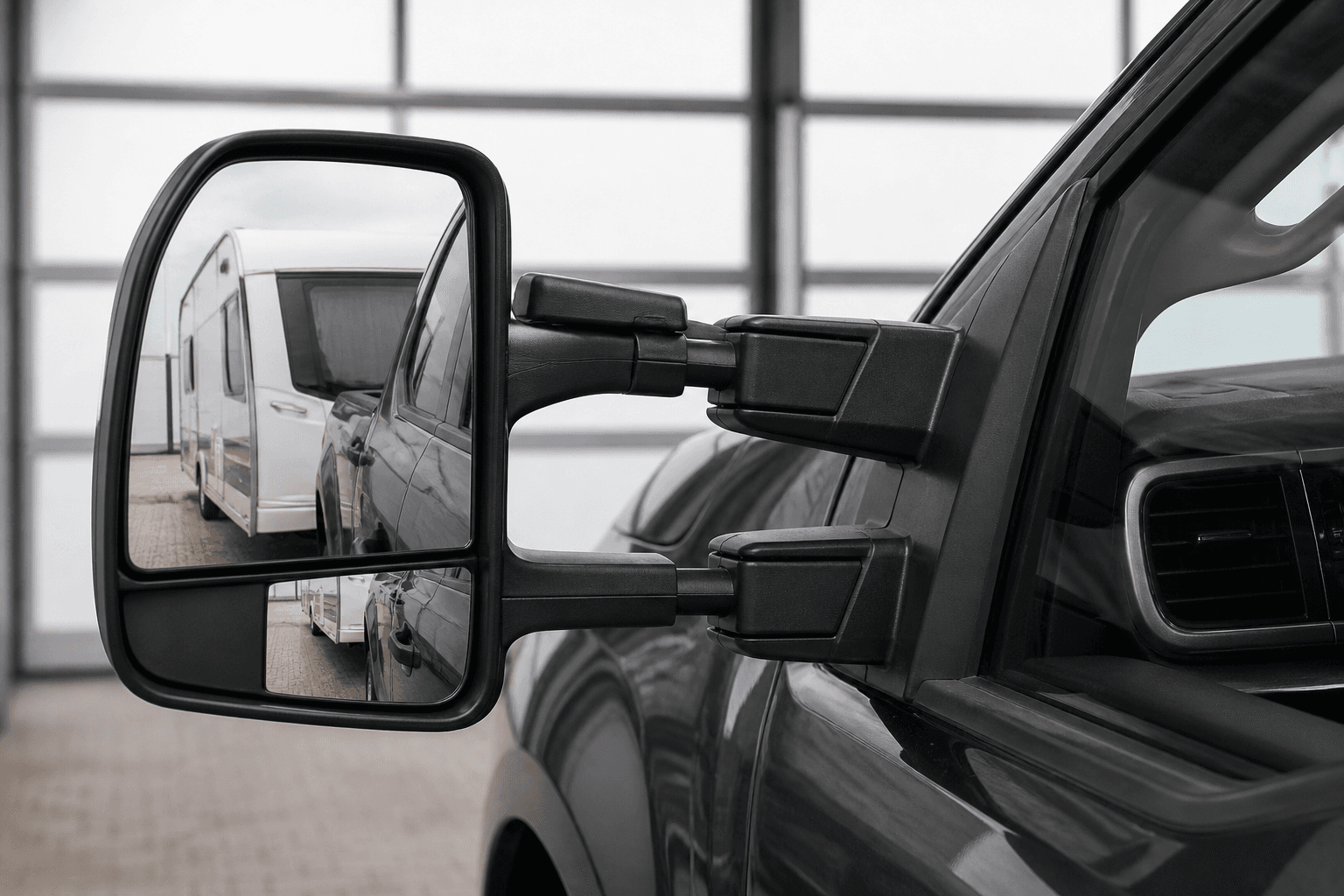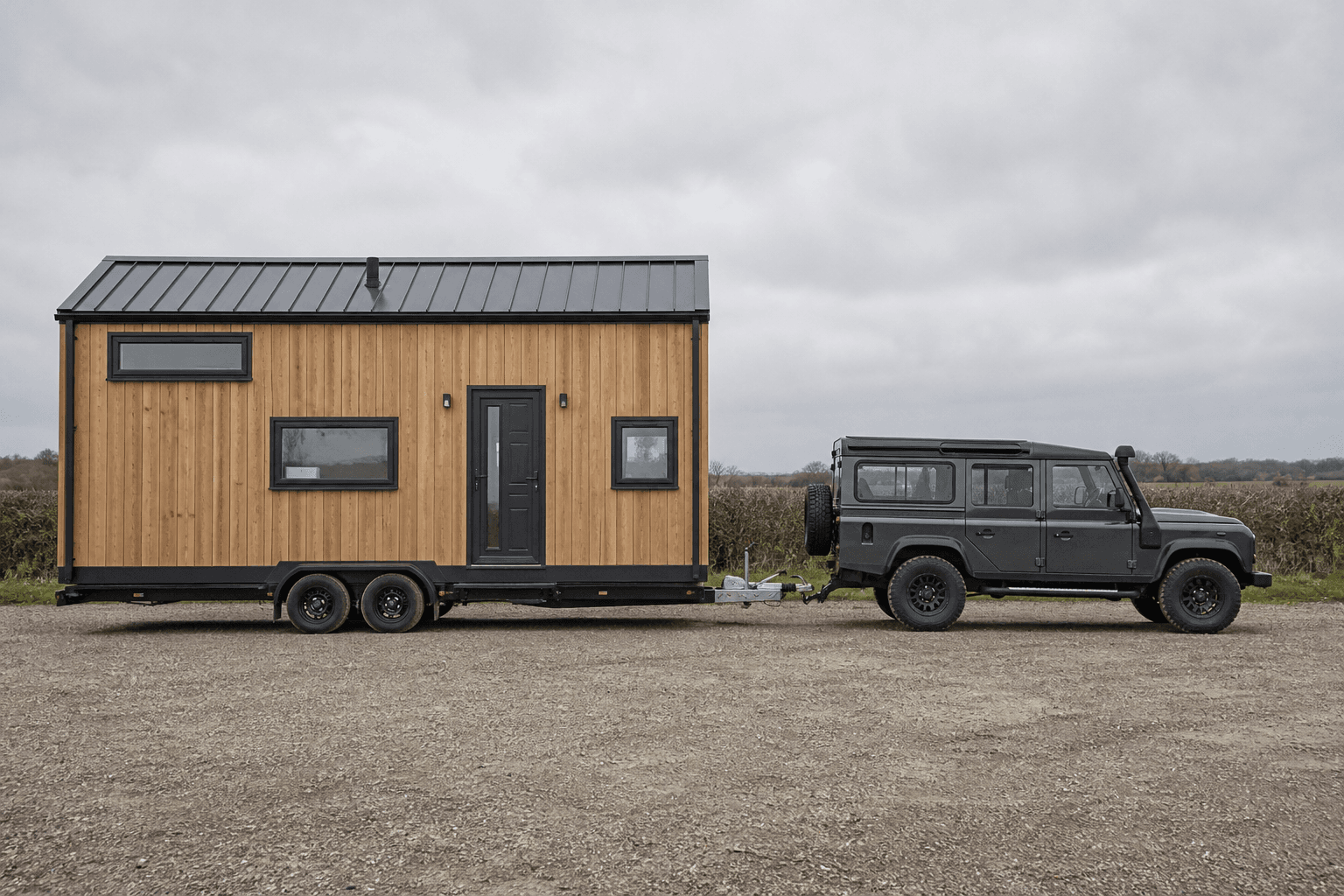
Hiring a tiny house trailer involves more legal groundwork than hiring a standard flatbed or box trailer. Because a tiny house structure adds significant weight and width, the rules on driving licences, towing capacity, speed limits and roadworthiness all come into sharper focus. Work through each of the following areas before you book, and you will avoid the most common pitfalls.
Driving Licences and What You Are Entitled to Tow
The rules on licence entitlement depend entirely on when you passed your driving test. You can tow trailers up to a certain weight with your car driving licence, and the weight you are allowed to tow depends on when you got your licence.
If you got your licence before 1 January 1997, you can usually drive a vehicle and trailer with a combined weight of up to 8,250 kg MAM. If you got your licence from 1 January 1997, you can tow a trailer that weighs up to 3,500 kg MAM. That second figure is the one most hirers will be working with, and it is the ceiling set by GOV.UK for a standard Category B (car) licence.
Drivers who passed their car test on or after 1 January 1997 can drive a car or van up to 3,500 kg MAM towing a trailer of up to 750 kg MAM, or tow a trailer over 750 kg MAM as long as the combined MAM of the trailer and towing vehicle is no more than 3,500 kg MAM. If they want to tow anything heavier, they must pass a car and trailer test (B+E).
You will need to know the weight of both the vehicle and trailer - also known as the maximum authorised mass (MAM). The MAM is listed in the owner's manual and is normally shown on a plate or sticker fitted to the vehicle or trailer. Check both figures before you agree to a hire, not after the trailer is already on your driveway. You can browse tiny house trailer listings on GetBrent to compare specifications across suppliers.
Towing Capacity and Weight Limits
Your licence entitlement is only one part of the weight equation. The 3,500 kg limit applies to the trailer MAM, but the combined gross train weight of your vehicle and trailer must also stay within your licence entitlement. Always add both figures together before you set off.
Tiny house trailers sit at the heavier end of the trailer market. You must not exceed the car's towing capacity as listed in the vehicle handbook, the trailer's maximum weight rating, or the towing limit imposed by the tow bar and hitch. The tow bar rating is separate from the vehicle's kerb weight and is often the lowest of the three figures - so check it independently.
Any trailer weighing over 750 kg must be fitted with working brakes. A properly fitted tiny house trailer will have overrun brakes as standard, but confirm this with the hire company and inspect the mechanism before you drive away.
Regarding trailer dimensions, there are maximum dimensions that a trailer can be on UK roads when towed behind a towing vehicle with a gross vehicle weight of 3,500 kg or lower - the trailer can be a maximum of 7 metres long. The maximum width for any trailer is 2.55 metres. A tiny house structure can push close to these limits, so obtain the exact dimensions from the hire company and compare them against your route if low bridges or narrow lanes are involved.
Speed Limits When Towing
One of the most frequently overlooked legal requirements is that towing a trailer changes the speed limits that apply to you. The National Trailer and Towing Association (NTTA) confirms the following limits for cars towing trailers:
- 30 mph on all roads with street lighting, unless signs show otherwise.
- 50 mph on single carriageways, unless signs show otherwise.
- 60 mph on dual carriageways and motorways.
You must not travel in the outside lane of a motorway with three lanes or more if you are driving a vehicle towing a trailer. Plan your route accordingly, particularly if you are collecting a trailer from outside your home area - for example, if you are using trailer hire in London or trailer hire in Maidstone and then travelling on the motorway network.
Roadworthiness: Lights, Number Plates and the Breakaway Cable
UK law requires the trailer to be roadworthy before it leaves the yard. As the person hiring and operating the trailer, it is your responsibility to check it. The National Trailer and Towing Association states that trailers must be fitted with the following lights:
- Two red sidelights, two red stop lamps, an illuminated number plate, two triangular red reflectors, and amber indicators that flash between 60 and 120 times per minute.
The number plate on the rear of the trailer must match the towing vehicle and must be clearly visible. Number plates must also follow standard UK rules on font, spacing and reflectivity.
A breakaway cable or safety chain should be correctly fitted on braked trailers. Check that it is present and properly connected before you move off.
There is no MOT for most light trailers, so the responsibility sits with the driver and operator. Most light trailers do not have an MOT requirement, but they must still be roadworthy. Police and the DVSA can inspect trailers at the roadside and issue penalties if they are unsafe.
Pre-Hire Checklist
Before signing any hire agreement or accepting a trailer, go through this checklist. It is drawn from the requirements set out by GOV.UK and the NTTA:
- Licence: Confirm your licence category covers the combined MAM of your vehicle and the loaded trailer.
- Vehicle towing capacity: Most cars have a maximum weight they can tow, usually listed in the handbook or specification sheet. Alternatively, the vehicle's gross train weight may be listed on the vehicle identification number (VIN) plate on the car.
- Trailer MAM plate: Check the trailer's identification plate for its maximum gross weight in kg.
- Brakes: Confirm the trailer has working overrun brakes if it exceeds 750 kg MAM.
- Lights: Test all lights - rear sidelights, stop lamps, indicators and fog lamp - before leaving the hire depot.
- Number plate: Verify the rear plate shows your towing vehicle's registration and is clean and securely fixed.
- Breakaway cable: Check it is correctly fitted and of sufficient length.
- Tyres: Inspect tread depth and tyre condition on the trailer before you accept it.
- Load security: Confirm the structure or load is securely fastened and, if any part protrudes, that it is clearly marked.
- Insurance: Check with your insurer, as not all policies cover towing by default.
- Speed limits: Note the 60 mph motorway and dual carriageway limit and the 50 mph single carriageway limit before you set off.
If you are unsure about any aspect of the trailer's condition when you collect it, raise it with the hire company before accepting the keys. A reputable supplier will be happy to address any concerns on the spot. You can find local suppliers across the country - including trailer hire in Daventry - through the GetBrent platform.
What Drives the Hire Cost
Hire rates for tiny house trailers vary considerably and depend on a number of factors: the trailer's size and gross weight, the hire duration, whether the supplier includes delivery and collection, and the level of insurance excess built into the agreement. Specialist or heavy-duty trailers attract a different rate from standard flatbeds. Always confirm the full cost breakdown - including any deposit, mileage or fuel charge, and damage waiver - directly with the hire company before you book.
GetBrent brings together trailer hire companies from across the UK in one place. Browse trailer hire listings to find vetted local suppliers, compare what each offers, and get in touch directly to confirm the specification, weight, and terms that work for your move or project.