Renting, hiring or buying: what the options mean
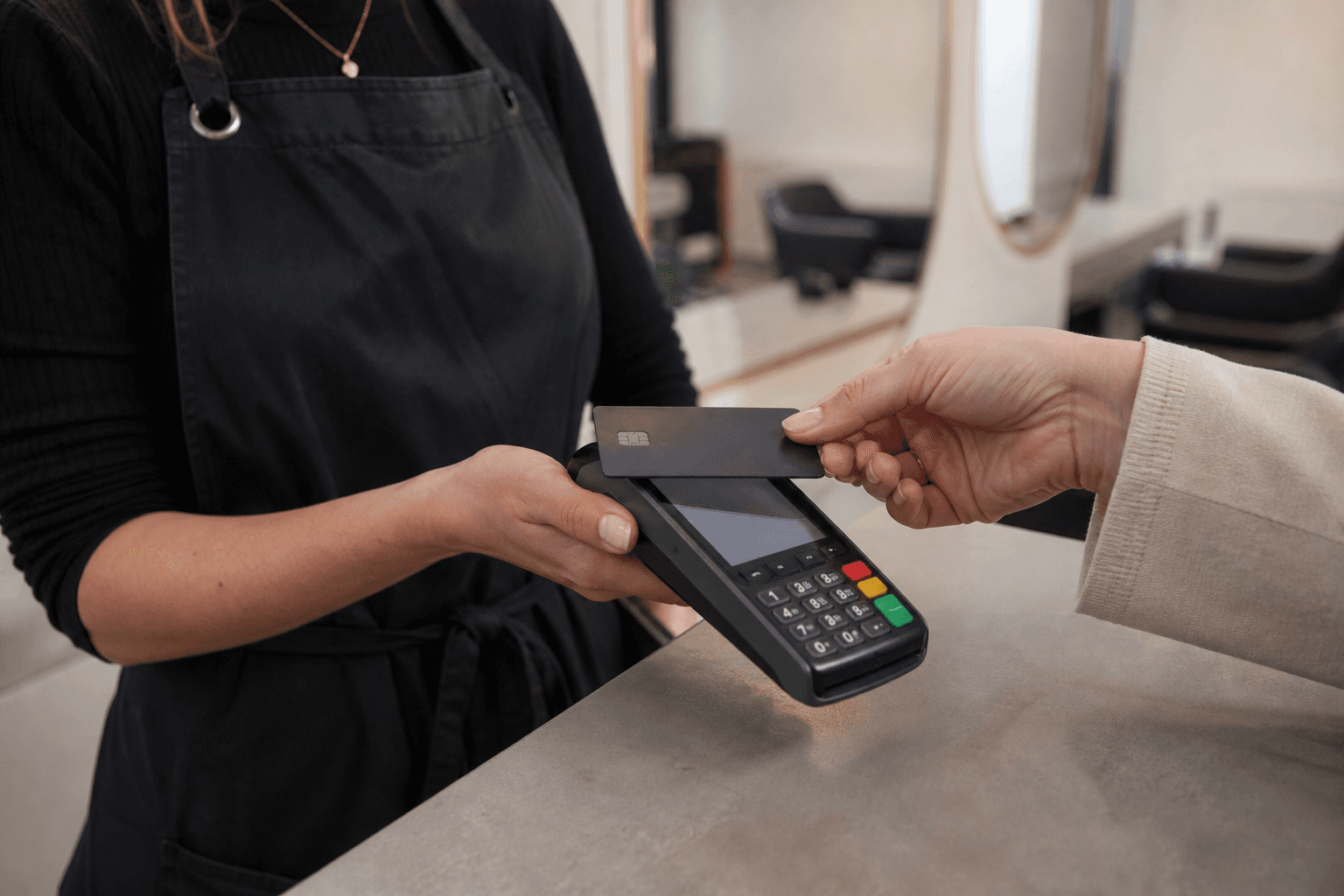
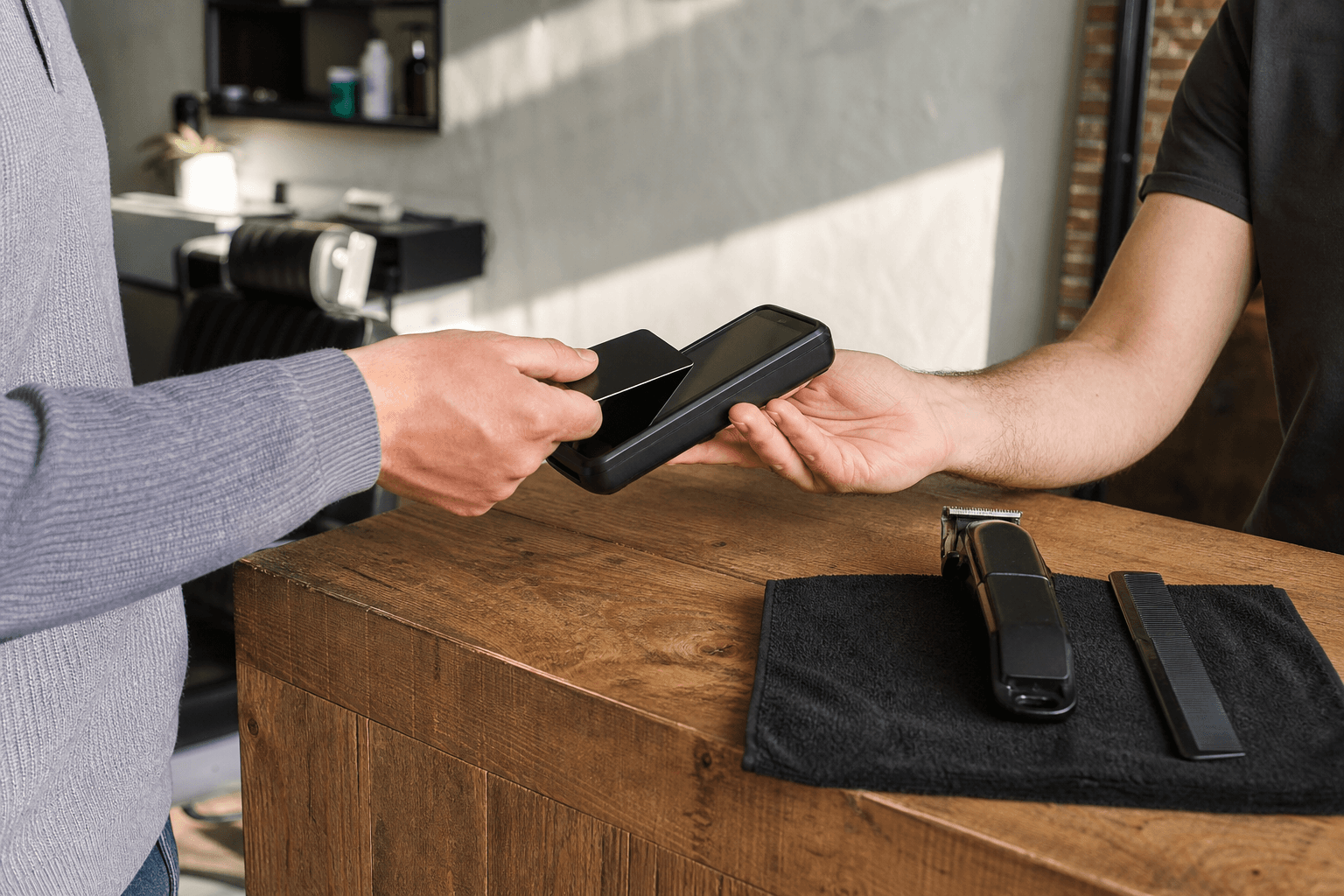
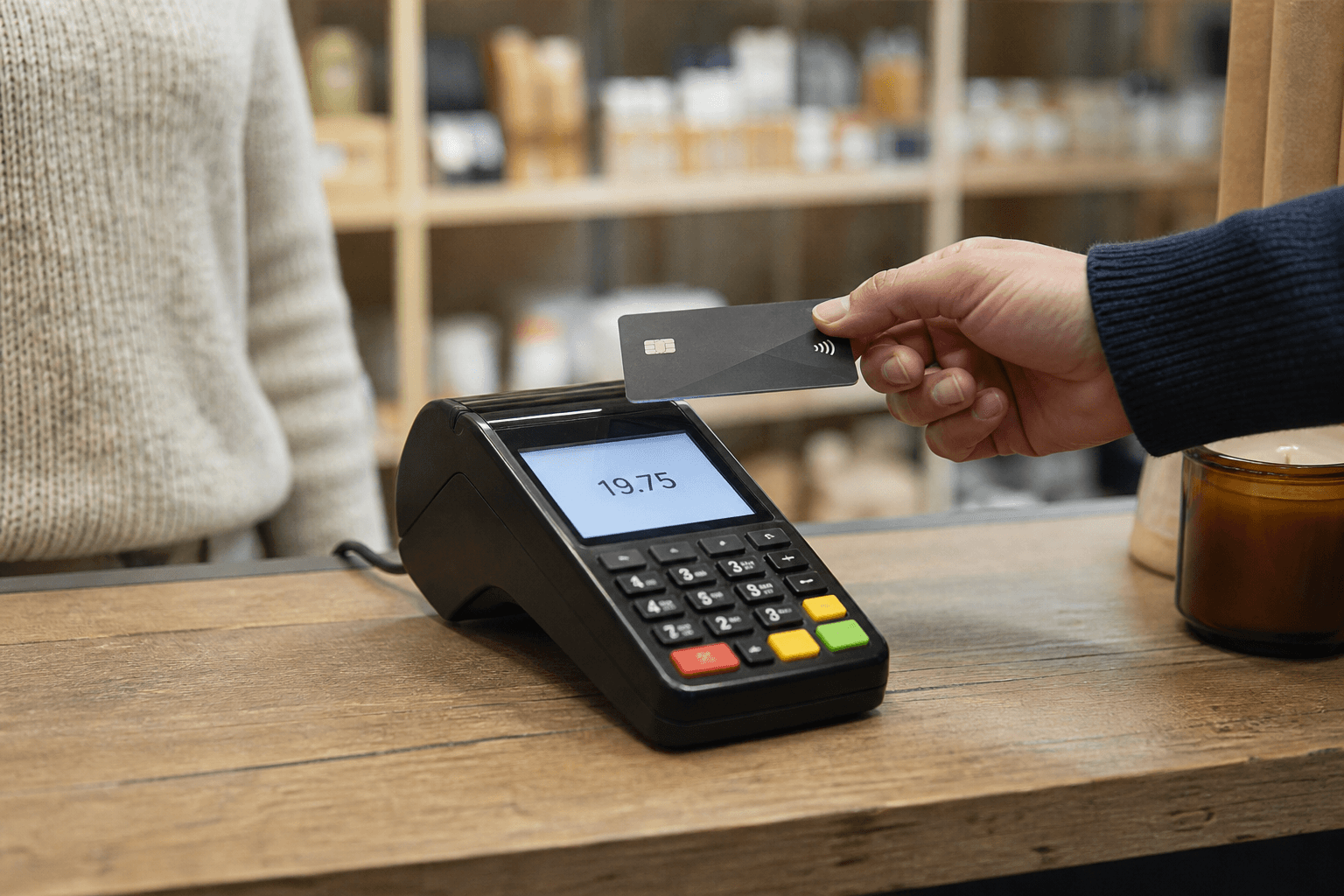
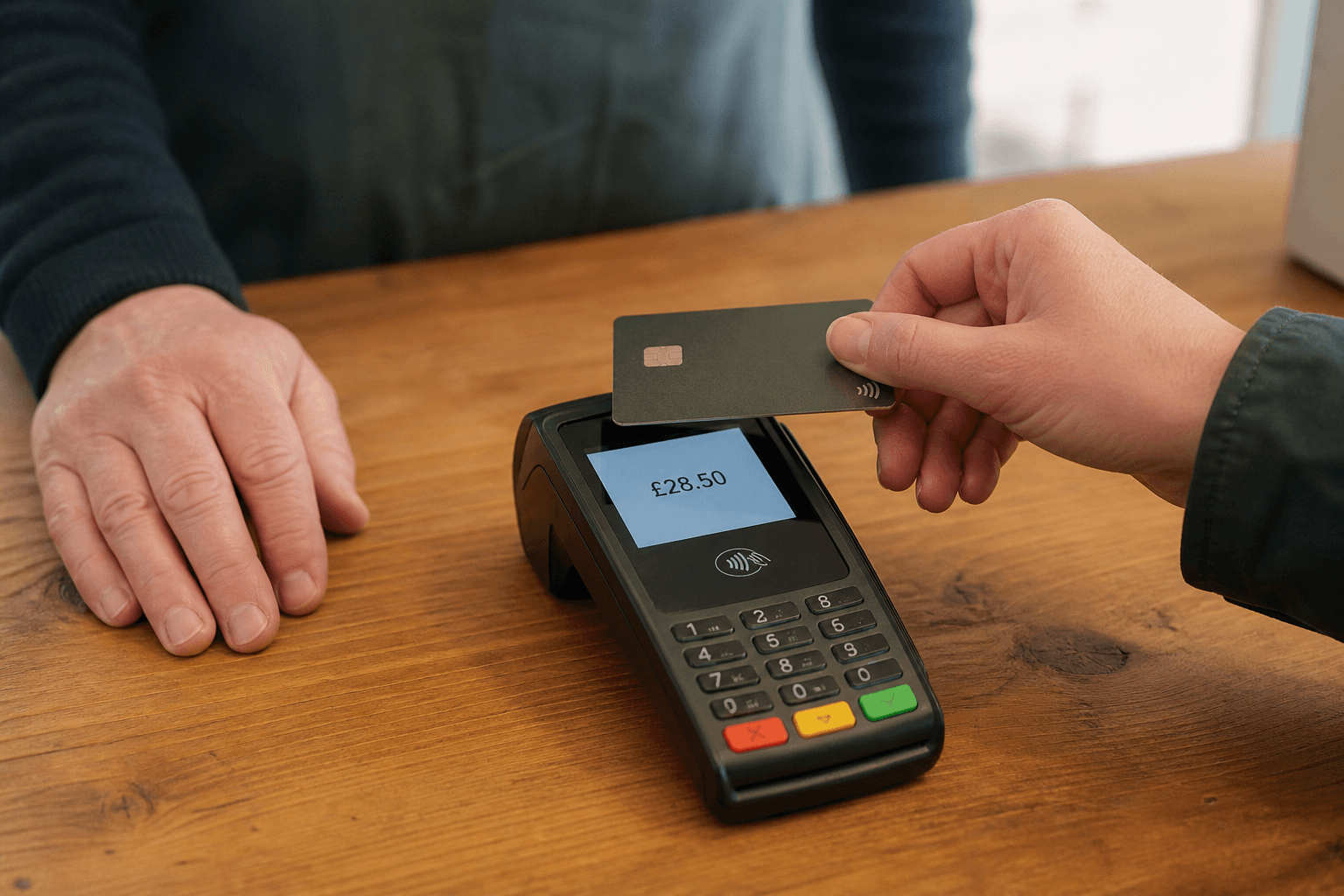
There are three broad routes to taking card payments with a terminal. A business can rent a machine on a monthly basis, hire one for a short period, or buy one outright. Some providers also supply a terminal at no upfront cost as part of a payment processing agreement, so the device is not bought separately.
Monthly rental spreads the cost of the hardware over time, which suits a business that does not want to pay a large sum at the start. Short-term hire suits events where card payments are needed for a few days. Buying suits a business that plans to take cards for years and wants to own the device.
What rental contracts usually include
Rental agreements vary, so the terms should be read in full before signing. The points below are the ones a business should expect to see described clearly.
- The monthly or hire fee for the terminal itself.
- The card processing fees charged on each transaction, which are separate from the rental charge.
- How long the agreement runs and what happens if the business wants to end it early.
- Who is responsible for repairs, replacement and software updates.
- When and how the business is paid out for card takings.
Processing fees are charged in addition to any rental, so a low rental charge does not mean the overall cost is low. Businesses should compare the full picture rather than one line of the agreement.
Security checks every renter should understand
Whether a terminal is rented, hired or bought, the business remains responsible for protecting card data. The PCI Security Standards Council states that payment terminals must be reviewed during a PCI DSS assessment to confirm that payment account data is protected during storage, processing and transmission.
This matters for rented equipment because a business may change terminals more often. A short-term hire or a machine passed between staff should still be checked regularly for signs of tampering.
Questions to ask before you sign
A business comparing rental and purchase options can work through the checklist below before committing.
- What is the total monthly cost, including the rental fee and every processing charge?
- How long is the minimum contract, and what does it cost to leave early?
- Who repairs or replaces the terminal if it breaks?
- Is the terminal supplied free, rented or sold, and does that change over time?
- How quickly are card takings paid into the business bank account?
- Does the terminal work for the type of sales the business makes, such as in person, online or on the move?
- How will the business inspect the device for tampering?
A worked example
The figures below are examples only, not real prices. Suppose a stallholder expects to take £2,000 in card payments over a three-day festival. Renting a terminal for that period, with a fixed hire fee plus a percentage on each card transaction, may be the simplest option because there is no purchase to recover afterwards. If the same stallholder took £2,000 every week for a year, the hire fees would add up, and a purchased or free terminal would probably cost less overall.
How the providers compare
Providers price their services differently, and the fee on each card transaction is the figure that matters most for most businesses. SumUp publishes a standard in-person transaction fee of 1.69 per cent, with a lower 0.99 per cent option through its Payments Plus plan at £19 a month, as of June 2026. Zettle publishes a standard in-person fee of 1.75 per cent, as of June 2026. Square also publishes 1.75 per cent for in-person payments, as of June 2026.
For a business that wants to move away from its current provider, the switching guide sets out the main options, and a business starting from scratch can read about choosing a first card machine.