Whether a trailer needs an annual test in the UK depends on its type and unladen weight. Under the Goods Vehicles (Plating and Testing) Regulations 1988, a goods trailer with an unladen weight above 1,020kg and fitted with powered brakes must pass an annual DVSA test. Touring caravans are exempt, as are smaller light trailers, but every trailer used on a public road must still be maintained in a roadworthy condition regardless of whether a formal test is required.
Which Trailers Must Be Tested
The Goods Vehicles (Plating and Testing) Regulations 1988, as amended, set out the categories that trigger the annual test requirement. The following types must be tested:
- Goods-carrying trailers (drawbar trailers) with an unladen weight above 1,020kg fitted with powered braking systems
- Semi-trailers used as part of an articulated combination
- 'A' frame trailers and converter dollies manufactured on or after 1 January 1979
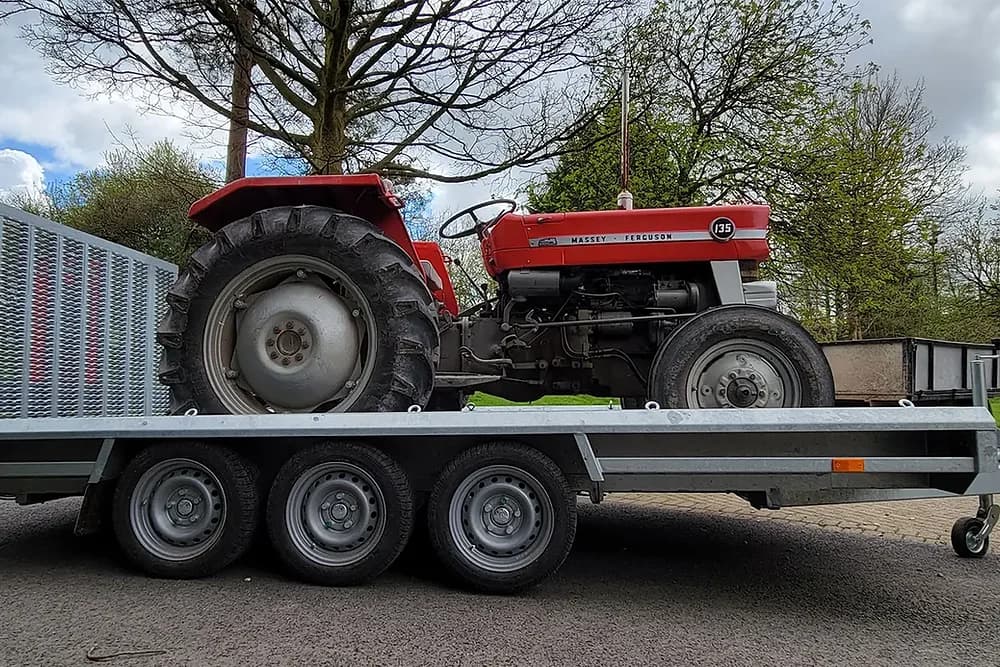
Plant trailers, livestock trailers and large flatbeds typically fall well above the 1,020kg unladen threshold and sit firmly within the testing regime. If you hire or own a plant trailer or a large box trailer for trade use, it is very likely to require an annual test.
The following are exempt from the formal annual test:
- Touring caravans, regardless of weight or age - they are defined as trailers designed for human habitation rather than goods, and there is no DVSA inspection regime covering them
- Small goods trailers with an unladen weight of 1,020kg or below - for example single-axle box trailers, car transport trailers and similar light units
Exempt Does Not Mean Unregulated
Exemption from the annual test is not exemption from road law. The Road Vehicles (Construction and Use) Regulations 1986 require every trailer used on a public road to be maintained in a safe, roadworthy condition. The Road Vehicles Lighting Regulations 1989 set out the lighting and reflector requirements that apply to all trailers regardless of whether a formal test is needed.
In practical terms this means the following must be in working order every time you tow, whether your trailer is tested or not:
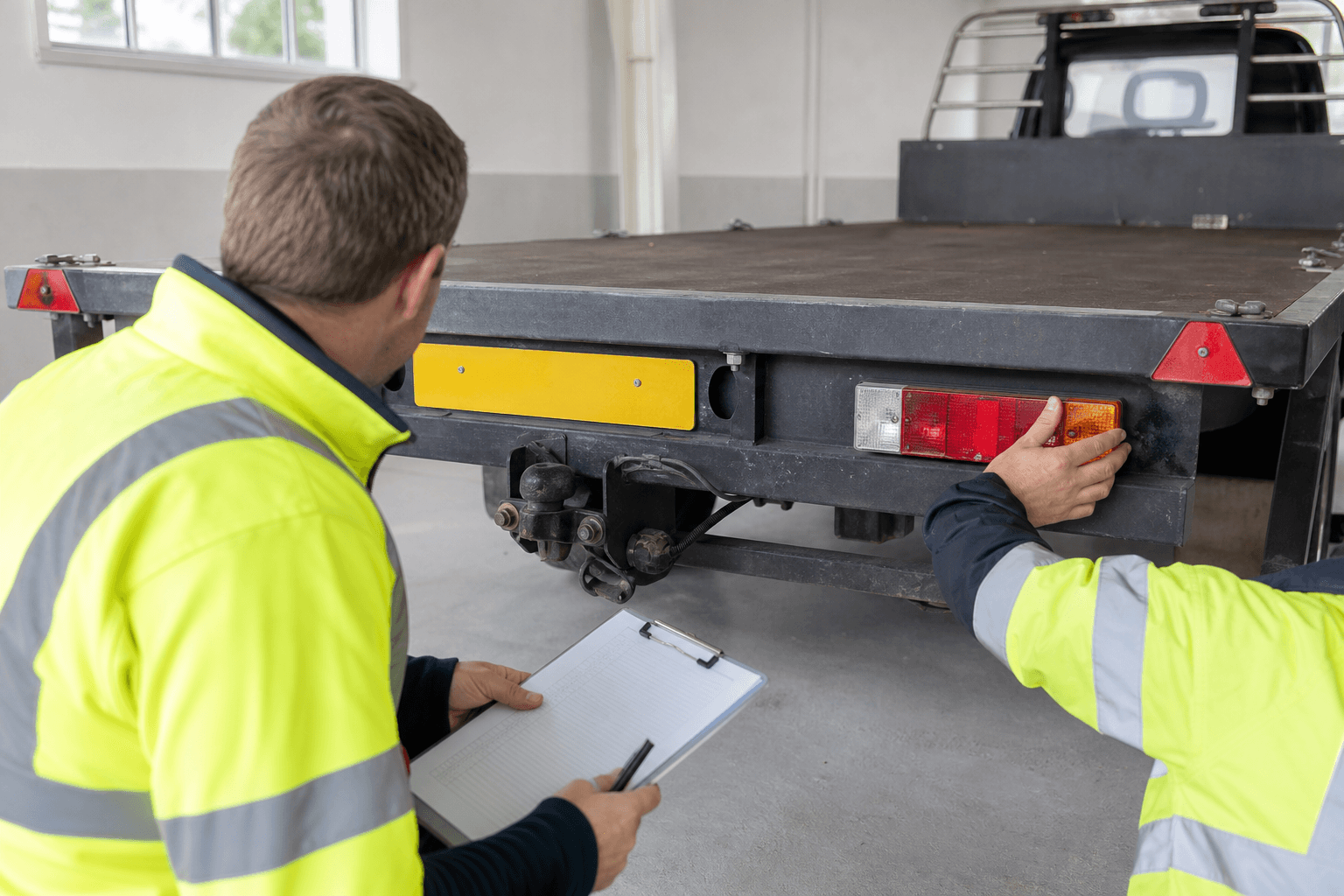
- Rear position lights, stop lights, direction indicators and number plate light
- Red triangular rear reflectors
- A number plate that matches the registration of the towing vehicle
The DVSA can carry out roadside checks on trailers, including lighting functionality, brakes and general roadworthiness. Defects can result in a prohibition notice being issued.
When the First Test Falls Due
For trailers that do fall within the testing regime, the first test is due one year after the date the trailer was first sold or supplied. After that, the test must be renewed annually. There is no grace period: once a test certificate has expired, using the trailer on a public road is unlawful from the following day.
Trailers are tested under the same annual test regime as heavy goods vehicles, not under the standard car MOT system. The test certificate issued is a goods vehicle test certificate, not a standard MOT certificate.
How to Book the Test
Trailer annual tests are carried out by DVSA examiners, not by ordinary MOT garages. Under GOV.UK guidance, the test must be booked at an Authorised Testing Facility (ATF) - a privately operated site where DVSA staff conduct the examination - or, in Scotland where no ATF is nearby, at a DVSA test station directly. You cannot book a trailer annual test at a standard high-street MOT workshop.
Tests can be booked up to 93 days in advance. To book, you will need:
- The trailer identification number or chassis number
- The number of axles and trailer type
- A debit or credit card, or a pre-funded DVSA account
The test fee is set by DVSA and a separate charge may apply for use of the ATF site. Confirm the total cost directly with the ATF when booking, as facility charges vary. You can find your nearest ATF using the GOV.UK postcode search tool on the DVSA's own ATF locator page.
What the Test Covers
The DVSA annual test for trailers is a thorough inspection. Examiners check all of the following:
- Brakes - efficiency, balance and condition of all braking components
- Lights and reflectors - function, colour, position and security
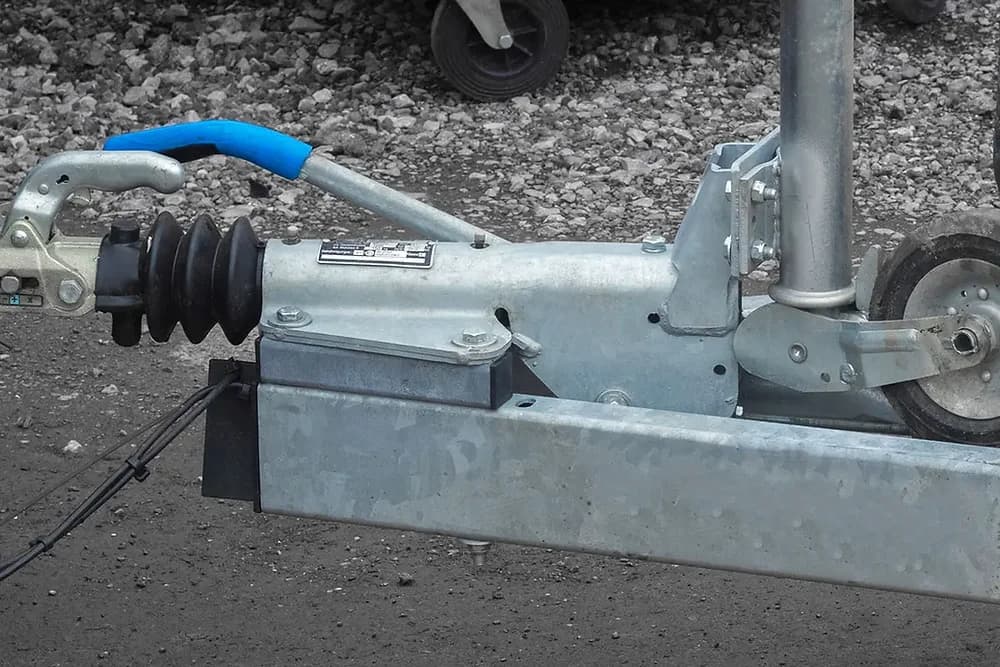
- Coupling equipment - hitch, kingpin or drawbar coupling as applicable
- Axles and suspension - condition, security and play
- Body and structure - condition, security of panels and load-securing points
- ABS - where fitted
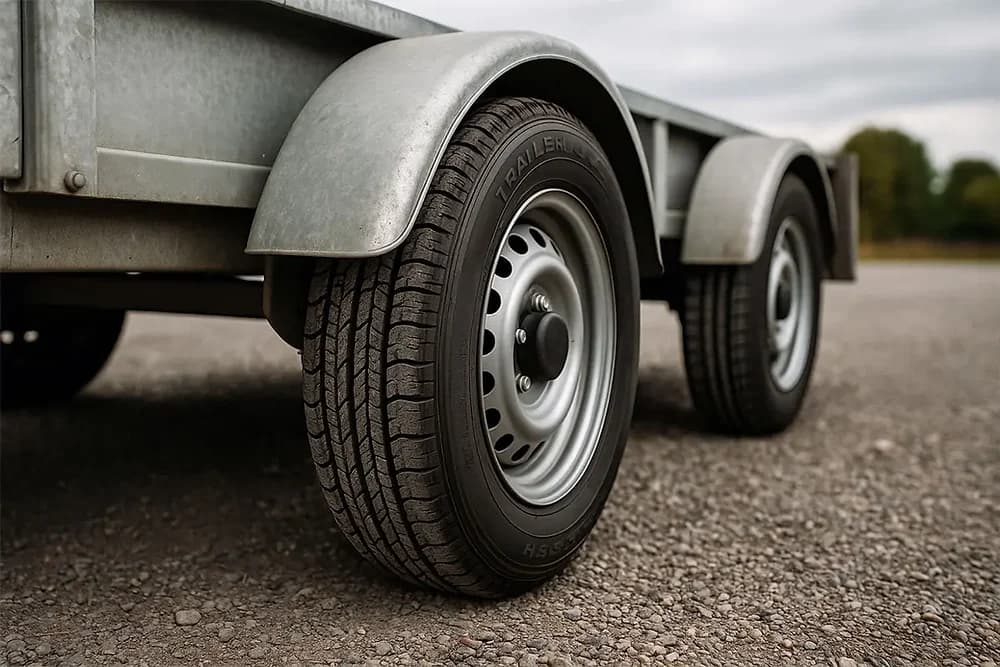
- Tyres - condition, tread depth and correct fitment
A practical tip: before presenting a trailer for its annual test, carry out a thorough walkaround. Check that all lights work with the towing vehicle connected, that the breakaway cable is correctly fitted and in good condition, and that tyre tread depth is clearly within legal limits. Many test failures are caused by faults that are straightforward to spot and cheap to fix before the test day.
Getting Repair and Inspection Work Done
If a trailer needs work before its annual test, or if an exempt trailer requires a safety inspection or repair, a workshop experienced with commercial trailers and plant is the right choice. Standard car garages may not have the equipment or expertise for heavier units.
You can find workshops equipped to handle trailer and plant repairs across the country. If you are based in or around the capital, browse vehicle and plant repair in London to compare local options. For those in the south-east, there are also specialists listed for vehicle and plant repair in Dartford and vehicle and plant repair in Bexleyheath.
GetBrent makes it straightforward to find and contact local garages and workshops that handle trailer servicing, inspection and repair. Search vehicle and plant repair near you on GetBrent, compare your options and contact them directly to confirm availability and costs before you book.