Whether your van needs a Class 4 or Class 7 MOT comes down to one number: its design gross weight (DGW). The figure that matters is not what the van actually weighs on the day of the test, but the maximum weight the manufacturer designed it to carry, fully loaded.
Now let me write the full HTML article: --- QUESTION: Does my van need a Class 4 or Class 7 MOT? SOURCES: https://www.gov.uk/getting-an-mot https://www.gov.uk/government/publications/mot-inspection-manual-for-private-passenger-and-light-commercial-vehicles https://www.gov.uk/vehicle-registration-certificate-v5c-log-book TITLE: Class 4 or Class 7 MOT: Which Does Your Van Need? ANSWER: Whether a van needs a Class 4 or Class 7 MOT depends on its design gross weight (DGW). The DVSA classes goods vehicles with a DGW of up to 3,000 kg as Class 4 and those with a DGW of between 3,001 kg and 3,500 kg as Class 7. The DGW appears on the manufacturer's plate or in the V5C logbook. Not all garages are DVSA-authorised for Class 7, so checking before booking avoids a wasted journey. META: Find out whether your van falls into MOT Class 4 or Class 7, how to read your design gross weight, and what to check before you book a test near you. ---Whether your van needs a Class 4 or Class 7 MOT depends on its design gross weight (DGW) - not its load on the day, not its appearance, and not the model name. Get the class wrong and the garage may be unable to test your vehicle at all.
What Is Design Gross Weight and Where Do You Find It?
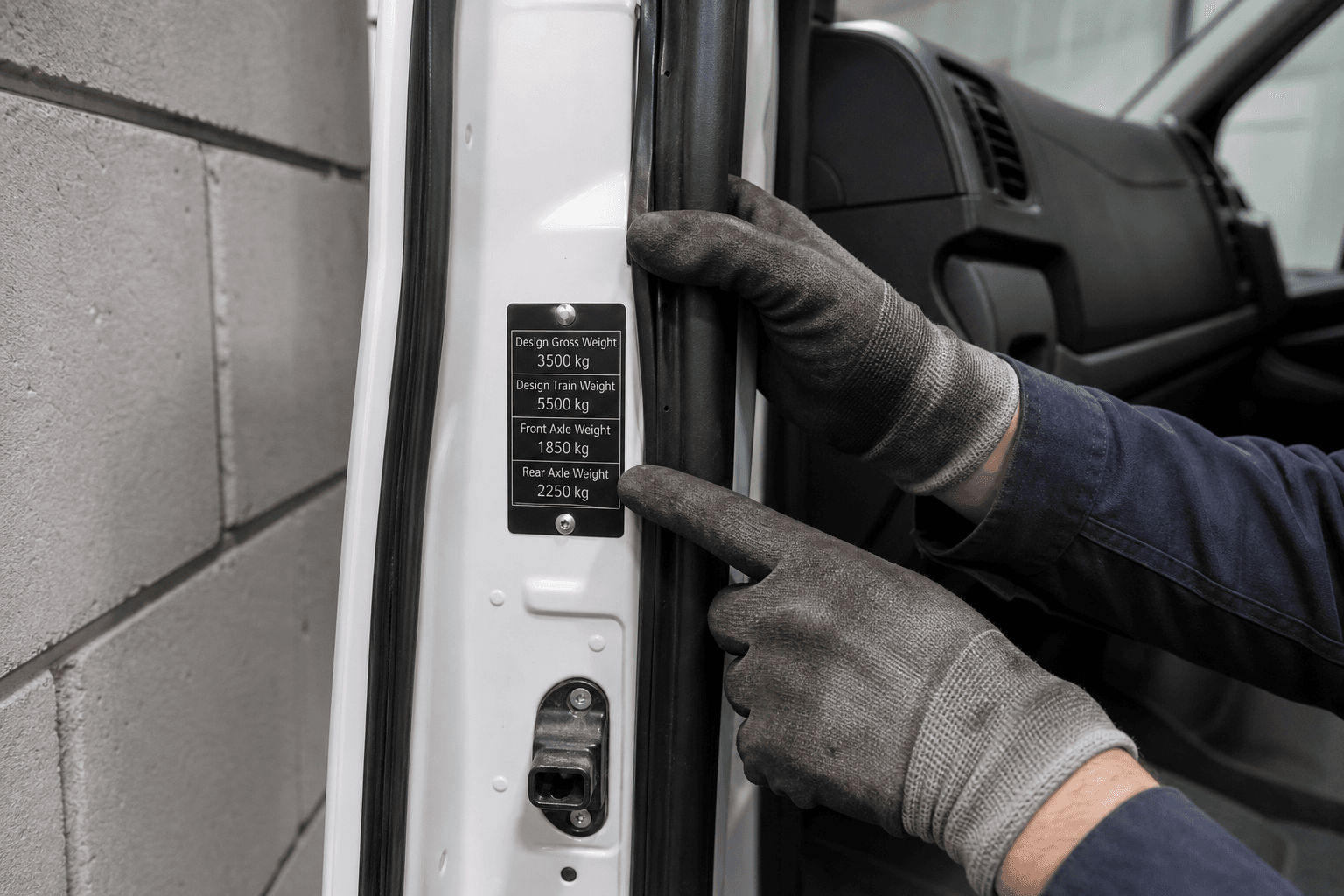
Design gross weight is the maximum weight the manufacturer has rated the vehicle to operate at, including the vehicle itself, its payload, passengers and fuel. It is fixed at the point of manufacture and does not change however lightly or heavily you load the van on test day.
There are two reliable places to find the figure:
- The V5C registration certificate (logbook). Look at box G, labelled "Revenue Weight" or sometimes "Gross Vehicle Weight". This is the figure the DVLA holds for your vehicle.
- The manufacturer's plate. This is usually fixed inside the driver's door frame or in the engine bay. It shows the DGW and individual axle weights. Where a vehicle also has a ministry plate fitted alongside the manufacturer's plate, the DVSA MOT Inspection Manual states that the weights on the ministry plate are the ones used for the test.
If the two sources differ, use the figure on the ministry plate where one exists. If you are unsure, the garage can check the plate before the test.
Class 4 and Class 7: What Each Covers
The DVSA MOT Inspection Manual sets out the classes that apply to vans and light goods vehicles:
- Most small and medium panel vans - car-derived vans, compact panel vans and similar - fall into this group.
- Full-size panel vans in their standard or long-wheelbase configurations commonly fall here, though the actual class always depends on the plate, not the model.
They fall under the separate DVSA annual goods vehicle test, which is administered at Authorised Test Facilities rather than ordinary garages.
Why the Class Matters When Booking
The class determines more than the paperwork. It affects which garages can legally test your vehicle, what equipment they must have on site, and the maximum fee the DVSA permits them to charge.
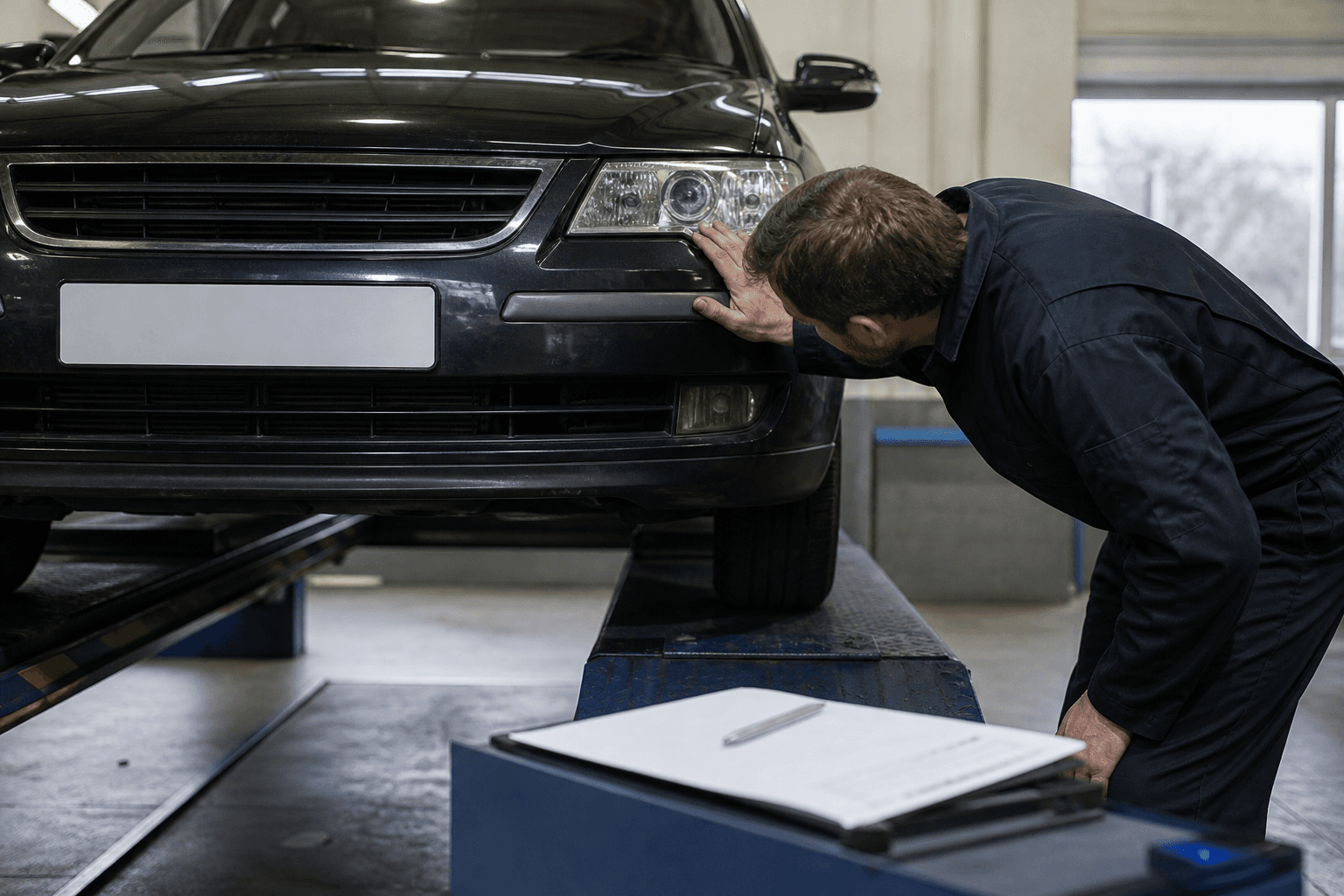
Class 7 testing requires heavier-duty brake rollers, an uprated lift and specific DVSA authorisation. Each garage chooses which classes it applies to be authorised for, which means not every MOT station that can test a Class 4 van can also test a Class 7. If you arrive at an unauthorised station with a Class 7 vehicle, the garage cannot carry out the test and you will need to rebook elsewhere.
The DVSA sets maximum fees for each class. Garages are free to charge less than the maximum but must not exceed it. Confirm the actual fee directly with the garage when booking.
You can find MOT stations authorised for your vehicle class using the vehicle and plant repair listings on GetBrent, or use the DVSA's own garage finder on GOV.UK and filter by class.
A Quick Checklist Before You Book
- Locate your V5C and note the gross vehicle weight in box G.
- Check the manufacturer's plate on the vehicle and confirm the DGW matches.
- If a ministry plate is also fitted, use that figure.
- Search for a garage authorised for the correct class in your area - not all Class 4 stations hold Class 7 authorisation.
- Confirm the booking and the fee with the garage directly before you travel.
First MOT and Annual Test Timing
Both Class 4 and Class 7 vans follow the same timing rules. The first MOT is due by the third anniversary of first registration, and tests are required annually after that. A van must hold a valid MOT certificate to be driven on a public road, with the narrow exception of driving to a pre-booked test or to a garage for repairs needed to pass the test.
One common source of confusion is the hire van or second-hand work van. If you are taking on a van - whether buying one outright, hiring long-term, or adding one to a fleet - check the DGW on the V5C and the plate before you assume it falls into Class 4.
For those hiring or sourcing vans for jobs in the London area, the vehicle repair and MOT services in London listed on GetBrent include stations covering both classes. If you are based in north Kent, the equivalent listings for vehicle repair near Dartford and vehicle repair near Bexleyheath are worth checking before booking.
Find a Local MOT Station on GetBrent
GetBrent brings together local garages, commercial vehicle workshops and MOT stations so you can compare what is available near you and contact them directly. Whether your van needs a Class 4 or Class 7 test, use GetBrent to find authorised testers in your area and get the right booking first time.
--- Now let me format this as the exact required output: QUESTION: Does my van need a Class 4 or Class 7 MOT? SOURCES: https://www.gov.uk/getting-an-mot https://www.gov.uk/government/publications/mot-inspection-manual-for-private-passenger-and-light-commercial-vehicles https://www.gov.uk/vehicle-registration-certificate-v5c-log-book TITLE: Class 4 or Class 7 MOT: Which Does Your Van Need? ANSWER: Whether a van needs a Class 4 or Class 7 MOT depends on its design gross weight (DGW), not its load or appearance. The DVSA classes goods vehicles with a DGW of up to 3,000 kg as Class 4 and those with a DGW between 3,001 kg and 3,500 kg as Class 7. The figure is on the manufacturer's plate or in box G of the V5C logbook. Not all garages hold DVSA authorisation for Class 7, so it is worth confirming before booking. META: Find out whether your van falls into MOT Class 4 or Class 7, how to read your design gross weight from the V5C or manufacturer's plate, and what to check before booking a test. --- QUESTION: Does my van need a Class 4 or Class 7 MOT? SOURCES: https://www.gov.uk/getting-an-mot https://www.gov.uk/government/publications/mot-inspection-manual-for-private-passenger-and-light-commercial-vehicles https://www.gov.uk/vehicle-registration-certificate-v5c-log-book TITLE: Class 4 or Class 7 MOT: Which Does Your Van Need? ANSWER: Whether a van needs a Class 4 or Class 7 MOT depends on its design gross weight (DGW), not its load or appearance. The DVSA classes goods vehicles with a DGW of up to 3,000 kg as Class 4 and those with a DGW between 3,001 kg and 3,500 kg as Class 7. The figure is on the manufacturer's plate or in box G of the V5C logbook. Not all garages hold DVSA authorisation for Class 7, so it is worth confirming before booking. META: Find out whether your van falls into MOT Class 4 or Class 7, how to read your design gross weight from the V5C or manufacturer's plate, and what to check before booking a test. --- [HTML article follows] QUESTION: Does my van need a Class 4 or Class 7 MOT? SOURCES: https://www.gov.uk/getting-an-mot https://www.gov.uk/government/publications/mot-inspection-manual-for-private-passenger-and-light-commercial-vehicles https://www.gov.uk/vehicle-registration-certificate-v5c-log-book TITLE: Class 4 or Class 7 MOT: Which Does Your Van Need? ANSWER: Whether a van needs a Class 4 or Class 7 MOT depends on its design gross weight (DGW), not its load or appearance. The DVSA classes goods vehicles with a DGW of up to 3,000 kg as Class 4 and those with a DGW between 3,001 kg and 3,500 kg as Class 7. The figure is on the manufacturer's plate or in box G of the V5C logbook. Not all garages hold DVSA authorisation for Class 7, so confirming before booking avoids a wasted journey. META: Find out whether your van falls into MOT Class 4 or Class 7, how to check your design gross weight, and what to confirm with the garage before you book a test near you. ---Whether your van needs a Class 4 or Class 7 MOT depends on one number: its design gross weight (DGW). The DVSA classes goods vehicles with a DGW of up to 3,000 kg as Class 4 and those with a DGW of between 3,001 kg and 3,500 kg as Class 7. The figure that counts is not what the van weighs on the day