When you wish to tow a trailer, where would you find the maximum noseweight for your vehicle’s tow hitch? Simple answer: You can usually find the maximum noseweight in your vehicle’s handbook.
But let’s go deeper, because if you get this wrong, you’re risking poor handling, trailer snaking, and a potentially dangerous setup.
Where Can You Find the Maximum Noseweight?
When you wish to tow a trailer, where would you find the maximum noseweight for your vehicle’s tow hitch? You can typically find it in these places:
Your vehicle’s handbook - this is the most accurate and recommended source.
The VIN plate - usually located inside the driver’s door or under the bonnet.
The tow bar’s data plate - if it was fitted after-market, check the tow bar manufacturer’s maximum noseweight.
The vehicle manufacturer’s website or dealer - useful if you’ve lost the handbook.
Important: If you see two different figures (one in the handbook and one on the tow bar), always go with the lower number.
What Is Noseweight?
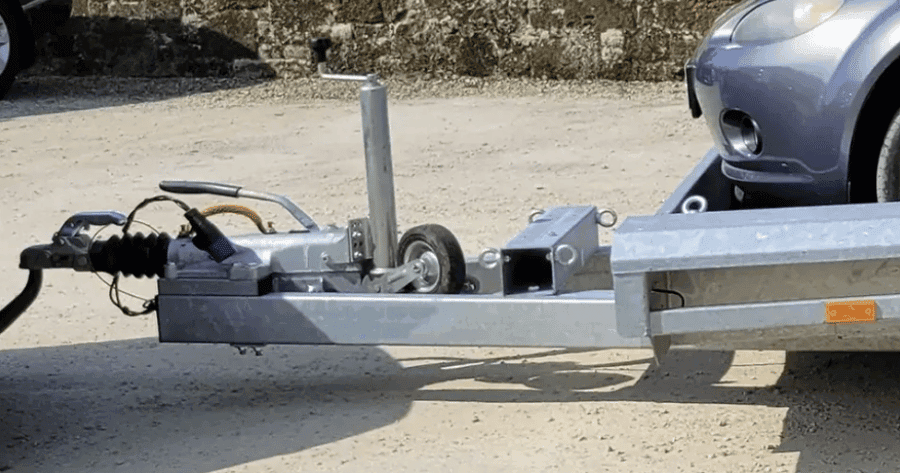
Noseweight is the downward force that your trailer or caravan applies to your vehicle’s tow ball.
Too much noseweight: Can overload the rear axle, damage the suspension, and make steering sluggish.
Too little noseweight: Can cause the trailer to sway dangerously or even jackknife.
Getting the right noseweight is key to safe, stable towing.
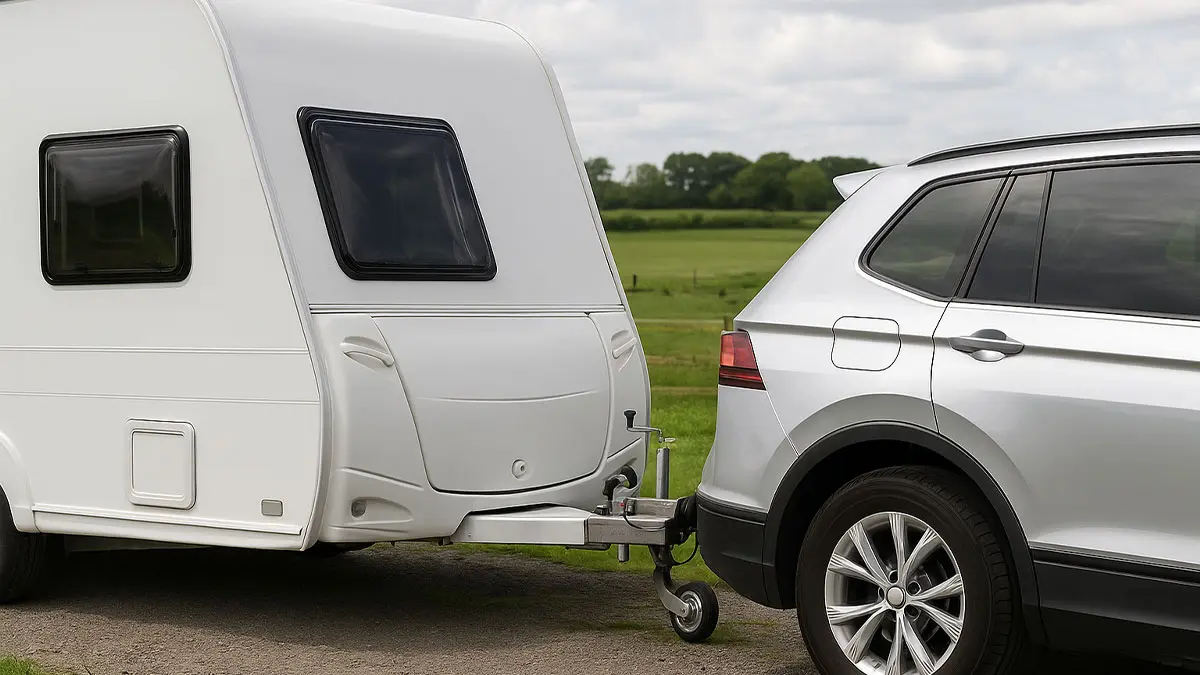
How Much Should Your Noseweight Be?
There’s no one-size-fits-all answer. Each vehicle and tow bar will have its own maximum noseweight limit.
As a general guide:
Most cars in the UK have a maximum noseweight between 45kg and 100kg.
The noseweight should usually be around 5% to 7% of the trailer’s fully loaded weight.
Example:If your fully loaded trailer weighs 1,200 kg, your noseweight should typically be between 60 kg and 84 kg.
But remember, you must always follow the maximum stated in your vehicle’s handbook or tow bar plate.
Why Does Noseweight Matter?
If you wish to tow a trailer, where would you find the maximum noseweight for your vehicle’s tow hitch? You’ll find it in the handbook, but here’s why it matters:
Keeps your trailer stable
Helps prevent dangerous snaking
Protects your vehicle’s suspension
Ensures you stay within UK towing laws
Keeps you and other road users safe
How to Measure Noseweight
The best way to measure noseweight is to use a noseweight gauge. You can also use bathroom scales with a plank of wood and some careful balancing.
Quick Steps:
Place the gauge or scales under the trailer coupling.
Read the weight directly - adjust the load if necessary.
Always double-check before setting off.
Brent’s Top Tips for Noseweight
Balance your load carefully - heavier items should sit just forward of the trailer axle.
Don’t overload the front - too much weight on the nose is just as risky as too little.
Check your tow bar’s maximum limit - especially if it was fitted after-market.
Recheck noseweight if you adjust your load.
FAQs: Towing Noseweight
Where do I find noseweight info if I’ve lost the handbook?
Check the VIN plate, the tow bar label, or contact the vehicle manufacturer directly.
Can I tow if my trailer’s noseweight is too low?
No - low noseweight increases the risk of trailer sway. You may need to adjust how the load is distributed.
Can I tow if my trailer’s noseweight is too high?
No - this can overload your tow bar, damage your suspension, and make steering unsafe.
Final Word from Brent
When you wish to tow a trailer, where would you find the maximum noseweight for your vehicle’s tow hitch? Check the handbook. Check the VIN plate. Check the tow bar.
And don’t guess it - measure it.
At Brent, we don’t just hire trailers - we help you tow them safely, confidently, and without the drama.
-Brent