
A man and van suits small, straightforward moves, while a removal company suits larger, higher-value or more complicated jobs. The right choice depends on four things: the weight of the vehicle, whether the operator needs a licence, how the job is insured, and what consumer protection you have if something goes wrong.
Vehicle weight and operator licensing
Weight is the first thing to check. GOV.UK's operator licensing guidance says a licence is usually needed where a goods vehicle of over 3.5 tonnes gross plated weight is used to transport goods for hire or reward, or in connection with a trade or business. Where there is no plated weight, the threshold is an unladen weight of more than 1,525kg.
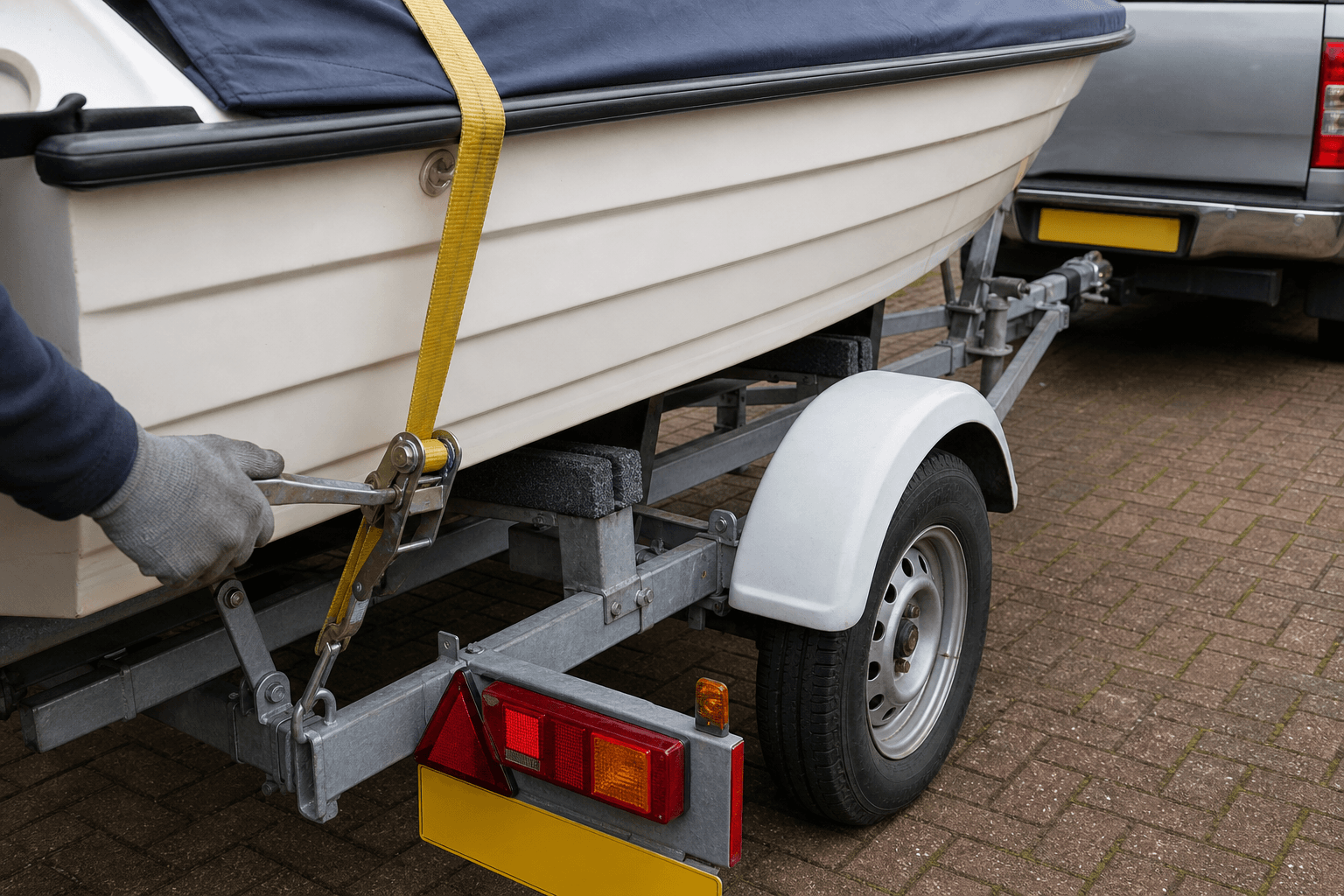
The same guidance says you may not need an operator's licence for operating within the United Kingdom if you only carry your own goods in a vehicle of 3.5 tonnes or less and your trailer's unladen weight is less than 1,020kg. That exemption rests on carrying your own goods, so it does not describe a business moving other people's belongings. If you run a removals firm that carries customers' goods, check the position on GOV.UK before you take bookings.
Driving licences and vehicle size
The key measure is the Maximum Authorised Mass (MAM), which is the total weight of the vehicle plus the maximum load it can carry. nidirect, the Northern Ireland government's information site, states that a category C1 licence is needed where the MAM is between 3.5 and 7.5 tonnes, and a category C licence where it is more than 7.5 tonnes. Minimum driving ages also differ. Drivers may take vehicles with a MAM between 3.5 and 7.5 tonnes from age 18, and vehicles above 7.5 tonnes from age 21.
For a man and van, this means the MAM of the vehicle matters as much as the price or the driver's name. A firm that sends a larger vehicle than you expected may be sending a vehicle its driver is not entitled to drive, so ask which vehicle will attend and check its weight before the day.
Insurance and liability limits
Which? advises checking whether a removals firm has adequate insurance cover for your possessions, and what the time limit is for claiming after the move. Limits are the detail that catches people out. Some policies set a limit per item or per box, so high-value items should be checked against the terms. A firm may also restrict its liability per box unless you tell it the value of the contents, although declaring a value may raise the quote.
Packing is another point to settle early. Which? notes that you can pack some of the job yourself to save money, but advises against packing breakables, and that the firm's insurance will not cover items you have packed.
Consumer rights if something goes wrong
Citizens Advice uses a man and van hire as its example of a problem that may only appear later. It describes hiring one to help with a house move and finding a broken ornament three weeks afterwards. Its guidance says you can ask for things to be put right for up to six years in England, Wales and Northern Ireland, and up to five years in Scotland.
Citizens Advice also notes that the Consumer Rights Act 2015 says services must be provided with reasonable care and skill. Two practical points follow. First, if you told the trader at the time that the service was good enough, you may not have the legal right to have it done again or to receive a discount. Second, if the firm agrees to put the work right, agree a completion date in writing, because you are entitled to have it done within a reasonable time. If you need more help, a trained Citizens Advice adviser can help by phone or online chat.
Checklist before you book
- Ask which vehicle will attend, and check its maximum authorised mass and the licence the driver needs for it.
- Ask for written details of the firm's insurance cover, including the time limit for making a claim after the move.
- Check any limit per item or per box, and declare the value of high-value items.
- If the firm quotes without visiting your home, list every possession as accurately as you can, including the contents of the loft and garage.
- Decide carefully what you will pack yourself, bearing in mind that insurance will not cover your own packing.
- Report any damage promptly, and agree a reasonable completion date in writing if a problem needs putting right.
If you are comparing options in the capital, you can browse removals firms in London before you shortlist firms. For a wider view of the sector, the removals and logistics category lists the firms and services available. Whichever you choose, get the insurance and the limits confirmed in writing before you pay.