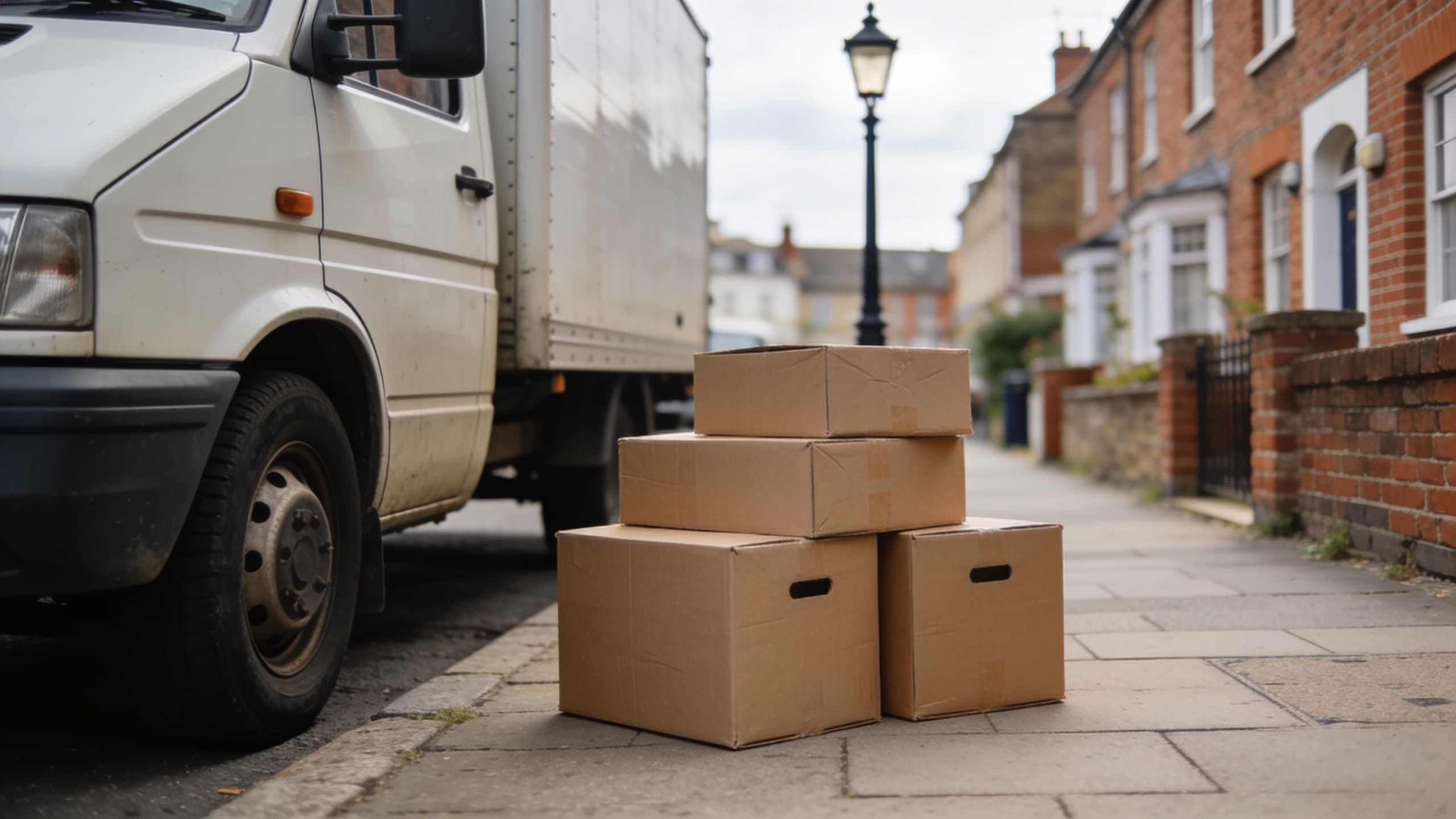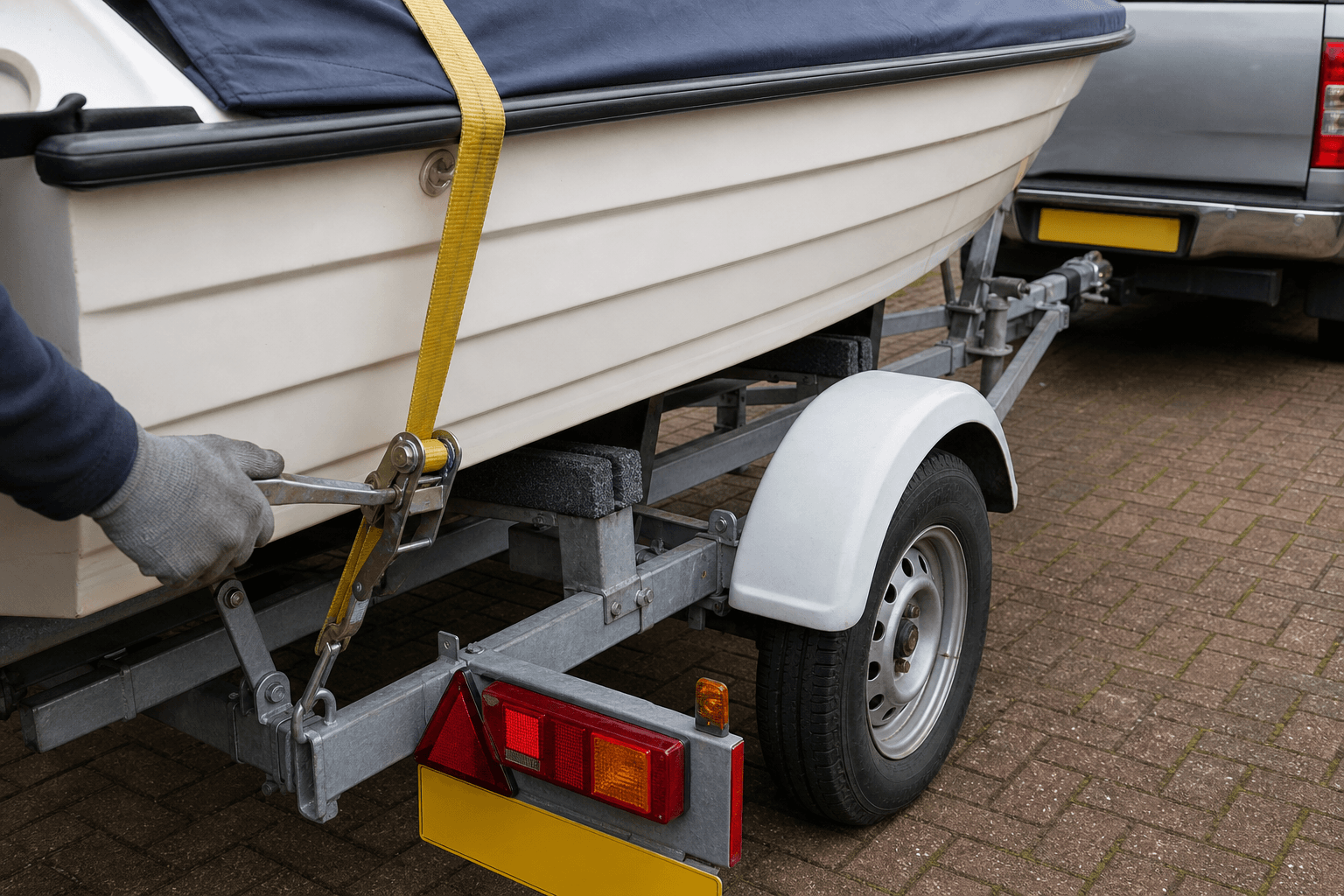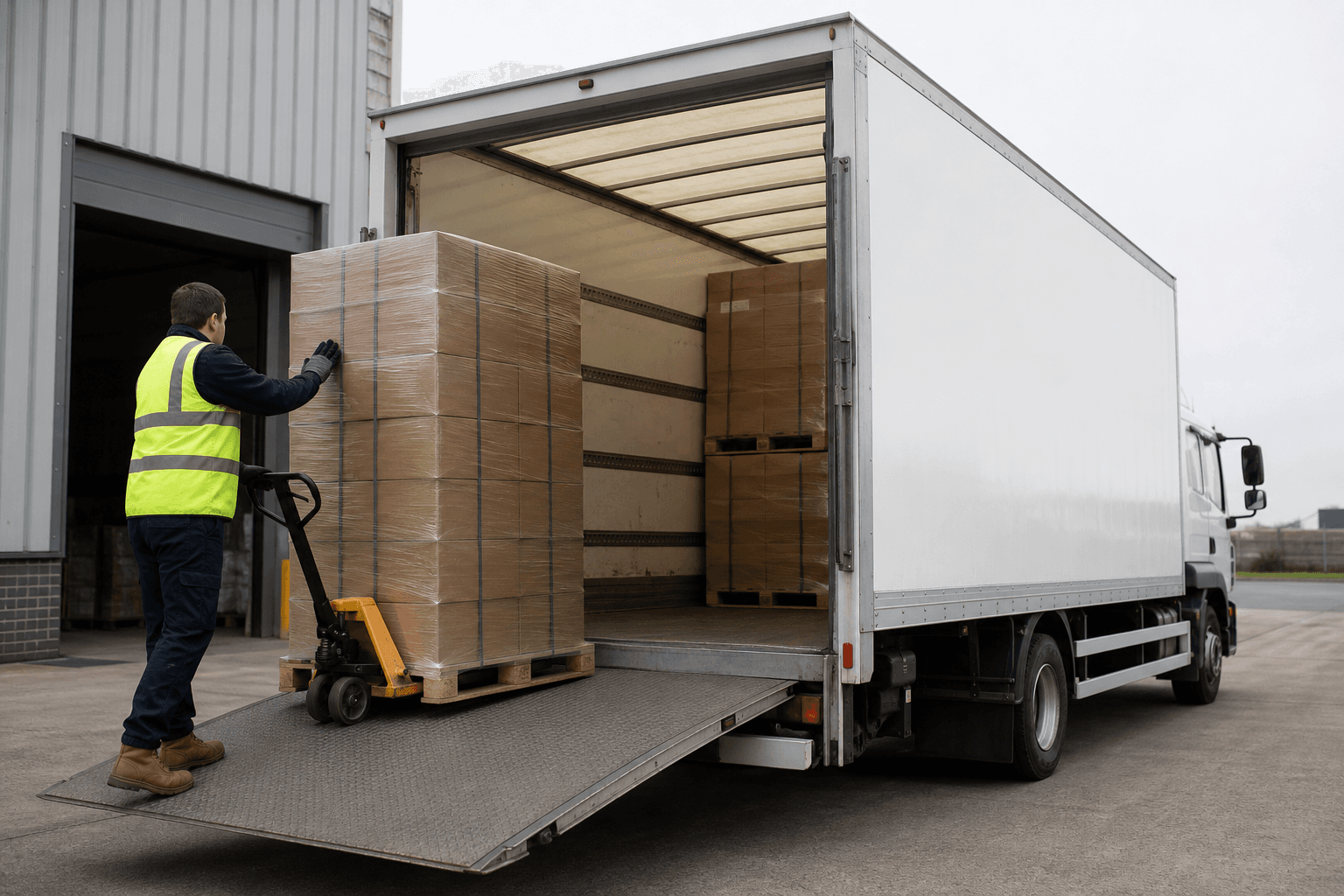
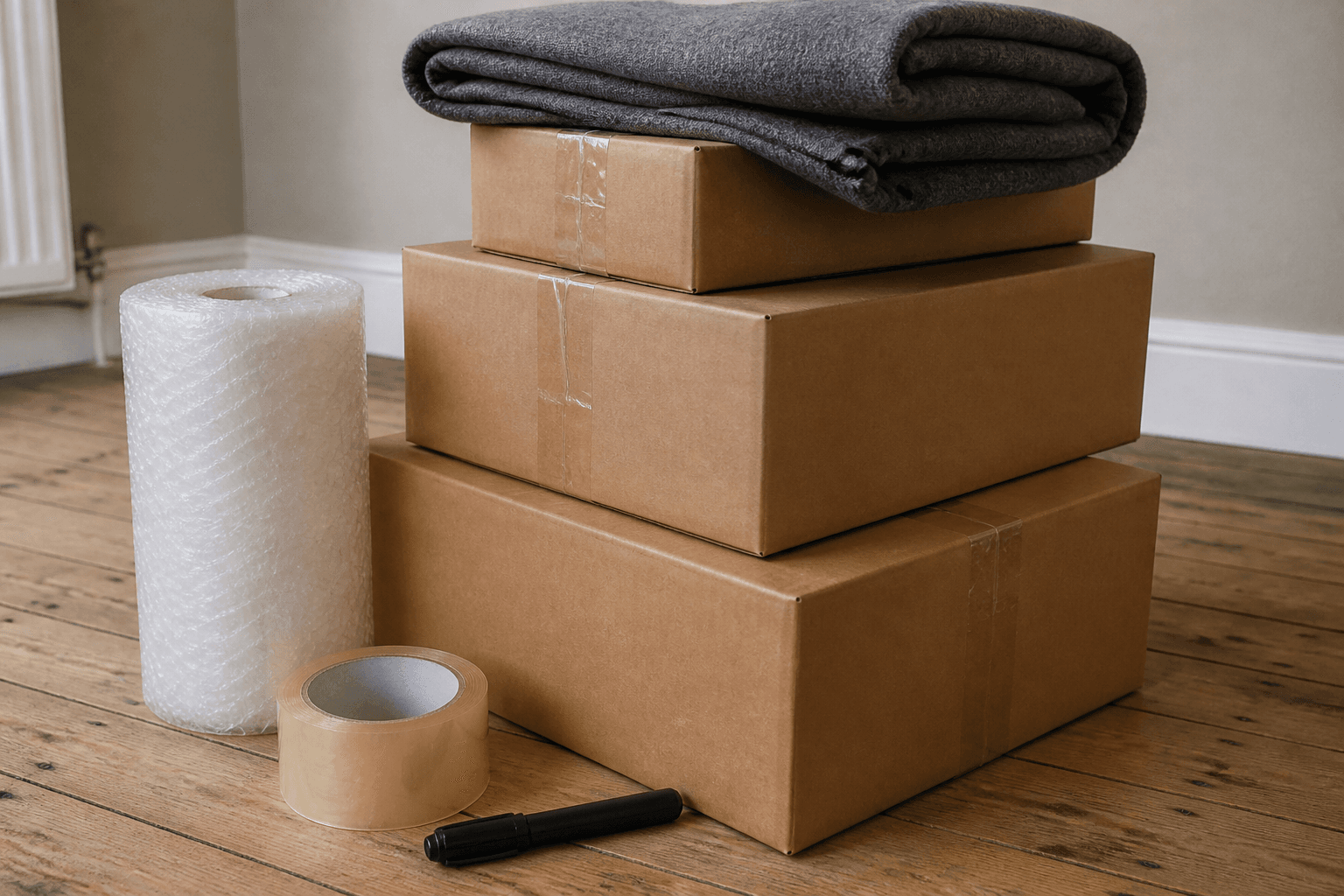
Most household moves need the same short list of packing materials: strong cardboard boxes in several sizes, heavy-duty tape, protective wrap, marker pens for labelling, and covers for furniture. Heavy items belong in smaller boxes, and the amount you buy depends on the size of the home and how much of the packing you plan to do yourself.
This guide covers the core kit, how to keep loads within safe handling guidance, what to check with a removal firm before you pack, and how to dispose of packaging once you have unpacked. It suits people packing their own boxes as well as those topping up a professional service.
The core packing kit
Gather everything before packing starts, so you are not stopping halfway through a room to find tape or wrap. Most jobs need the following:
- Strong cardboard boxes in a range of sizes, with small boxes for books, tins and other dense items.
- Wardrobe boxes for hanging clothes, where you have them.
- Heavy-duty packing tape and a dispenser.
- Bubble wrap and plain packing paper for glass, china and electronics.
- Cardboard corner protectors and dividers for plates and glasses.
- Furniture covers or old blankets for sofas, tables and mirrors.
- Thick marker pens and labels showing the room and whether a box is fragile.
- Zip-seal bags for screws, fixings and small parts removed from furniture.
Large boxes suit bedding and soft furnishings, which fill space without adding much weight. Dense items such as books need small boxes, so that no single box becomes too heavy to lift comfortably.
Keeping box weights within safe handling guidance
The Health and Safety Executive (HSE) notes that the law sets no specific weight limit for lifting and carrying, and that its guideline figures are not safe limits. Its risk filter lowers the guideline weight when arms are extended or the load sits at high or low levels, because those are the positions where injuries are most likely to happen. In practice, keep the heaviest boxes near waist height and avoid lifting them from the floor or above shoulder level.
The HSE also says a more detailed assessment is needed where handling involves twisting, happens more often than one lift every two minutes, or is shared by a team. A busy packing day can easily meet one or more of these conditions, so plan the route and clear the doorways before the first box moves.
Before you lift, work through this list: