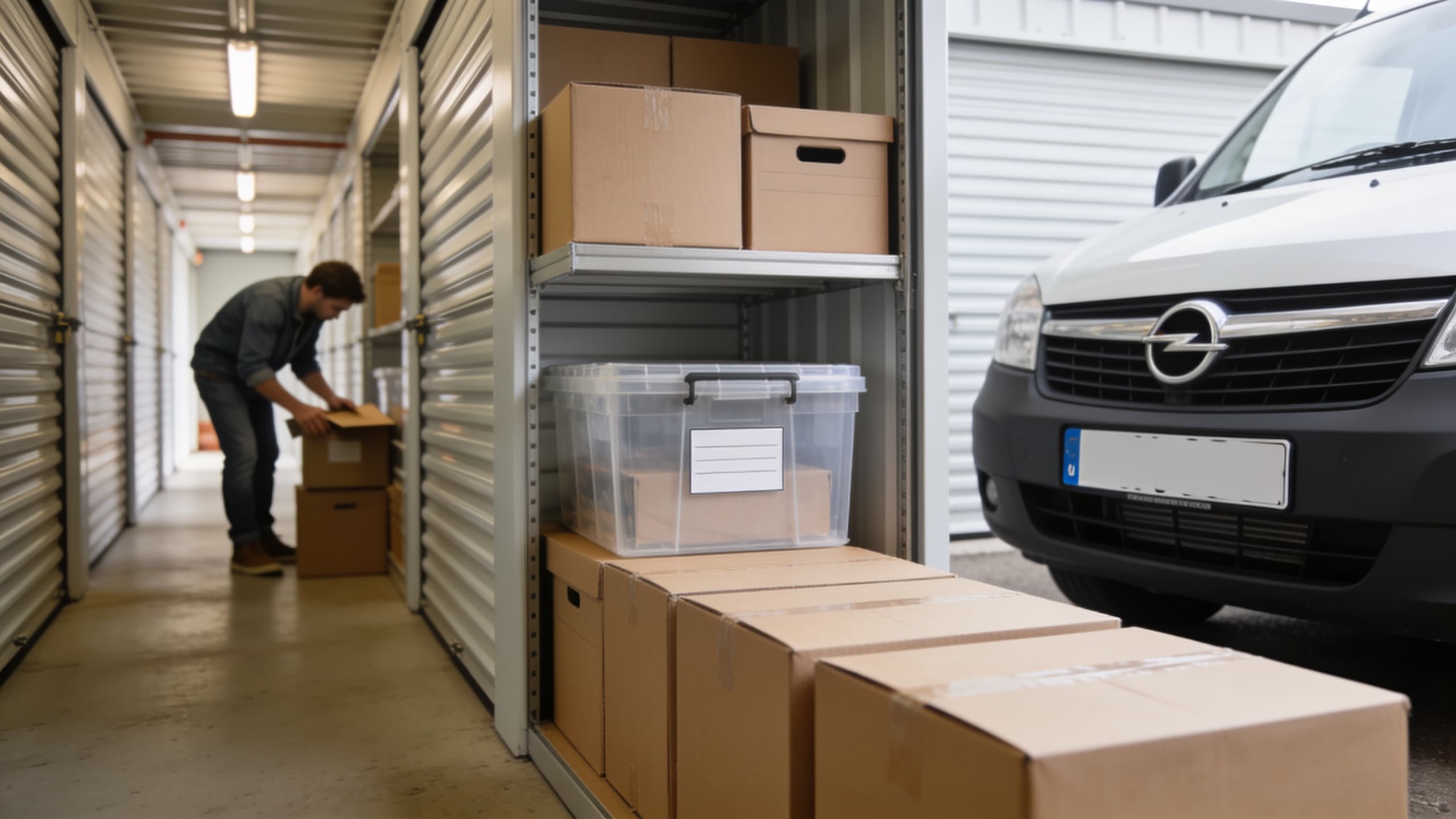
Self storage insurance is not a legal requirement in the UK, but it is, in practice, close to mandatory. Although you are not legally required to insure your belongings while they are in storage, the storage provider has the right to refuse your business if you do not, says the SSA UK. Understanding exactly what a policy covers - and, just as importantly, what it does not - is the practical knowledge every storage customer needs before signing an agreement.
Why the Facility's Own Insurance Does Not Protect You
A common and costly misunderstanding is the belief that because a storage unit is inside a secure building, the operator's insurance covers whatever is inside it. Most self-storage operators in the UK carry insurance for the building itself - the structure, the roof, the security systems - but they do not insure the contents of individual units.
There are certain circumstances, such as direct negligence on the part of the storage provider, in which their insurance may respond, but in most cases your belongings are not covered by the storage provider's insurance. It is your responsibility as the customer to ensure your belongings are covered - partly because the storage provider does not know exactly what is in the unit and is therefore unable to insure the belongings, as they do not know the replacement value of the goods.
The goods in your storage unit remain your responsibility, and you will be required to have insurance cover against loss or damage to your goods during the period of storage. The SSA UK states this clearly in its customer guidance.
What Self Storage Insurance Typically Covers
A dedicated self-storage insurance policy typically covers your stored items against theft (including forced entry to your unit), fire and smoke damage, storm and flood damage, accidental damage during loading, unloading or while in storage, burst pipes and water damage from within the building, and malicious damage by third parties.
Most standard policies are designed to cover a broad range of everyday household and business goods - furniture, electronics, clothing, documents and general personal possessions. Some policies also extend to cover items in transit to and from the storage facility, which is useful if you are moving house or relocating business stock between locations. Always confirm this with your insurer before assuming transit cover is included.
One detail that catches many customers out concerns the basis of settlement. This is an important distinction when comparing policies, and the SSA UK notes that
What Self Storage Insurance Does Not Cover
Every policy carries exclusions, and storage insurance is no different. Knowing these in advance prevents unpleasant surprises at the point of a claim.
Items commonly excluded from self storage insurance policies include:
- Cash and currency - no coverage is provided for any form of currency, including cash, coins, credit cards, cheques, bank drafts, vouchers or lottery tickets.
- High-value items above specified limits - jewellery, fine art, watches and precious metals are typically excluded or covered only up to a low sub-limit. Check the policy schedule for the precise figure.
- Hazardous or dangerous materials - anything flammable, explosive or corrosive is excluded, including petrol, paint and gas canisters.
- Perishable goods - food, plants or anything that can spoil is not covered, and these items are also forbidden by the storage facility itself.
- Illegal items - You cannot store illegal or illicit goods, firearms, explosives or weapons in a self storage unit. No policy will respond to a claim involving prohibited goods.
- Damage from poor packing or neglect - insurers will not pay out for losses that result from inadequate preparation by the customer.
Some prohibited items are obvious - illegal goods, for instance - whereas others you would happily store at home, such as paint, cleaning solvents or compressed gases, which are combustible or flammable substances and cannot be stored in your unit. Always read the prohibited items list in your contract before you move anything in.
Does Your Home Contents Insurance Cover Items in Storage?
Many people assume their existing home contents policy extends to a self storage unit. Although you are not legally required to insure your belongings while they are in storage, the storage provider has the right to refuse your business if you do not, says the SSA UK. You might find they offer their own insurance when you sign the contract, but there are other options which may turn out to be more economical. Verify their requirements if you want to use your own.
However, coverage away from the home is not guaranteed and varies significantly by policy.
Practical Checklist Before You Start Storing
Use this checklist to make sure cover is properly in place before you hand over your first month's payment.
- Confirm the facility is an SSA UK member.
- Check your home contents policy first. Ask your insurer whether stored items away from the home are covered, for how long and up to what value.
- Verify the basis of settlement. Confirm whether your policy pays replacement value or the second-hand market value, as most storage operators require replacement value cover.
- Read the prohibited items list. When you are adding items to your storage unit, check they are not on the prohibited items list, which you will find in your contract.
- Create a detailed inventory.
- Update your cover when the contents change.
- Confirm the claims process.
As the SSA UK puts it, "if your goods are worth storing, they are worth insuring." That is a straightforward principle, but the detail in the policy schedule is where customers need to pay attention.
GetBrent lists storage providers across the UK, including options for self storage in London, self storage in Brentwood and self storage in Rainham. Search GetBrent to compare local facilities, read their terms, and find a unit that suits your needs - then use this guide to make sure the insurance you arrange genuinely matches what you are storing.