The main drivers of a removal cost are how much you are moving, how easily it can be carried in and out at each end, which extras you add, and how much liability the firm accepts for your belongings. Each of these changes the work involved, so a low headline figure only means something once you know what it includes. This article explains the factors that move a quote up or down and what to check before you commit.
How much there is to move
The size of the property and its contents is the starting point for any quote. Which? based its removal company quotes on an equal-sized property, at a distance of 12 miles within London. If a firm cannot visit you in person, you need to list your possessions as accurately as you can, and you should not forget the contents of a loft or garage. Those items are easy to overlook and they add to the work.
Which? also notes that if you are relocating to a different part of the country, an estimate from a firm based in the area you are moving to may be more competitive.
Access at both ends
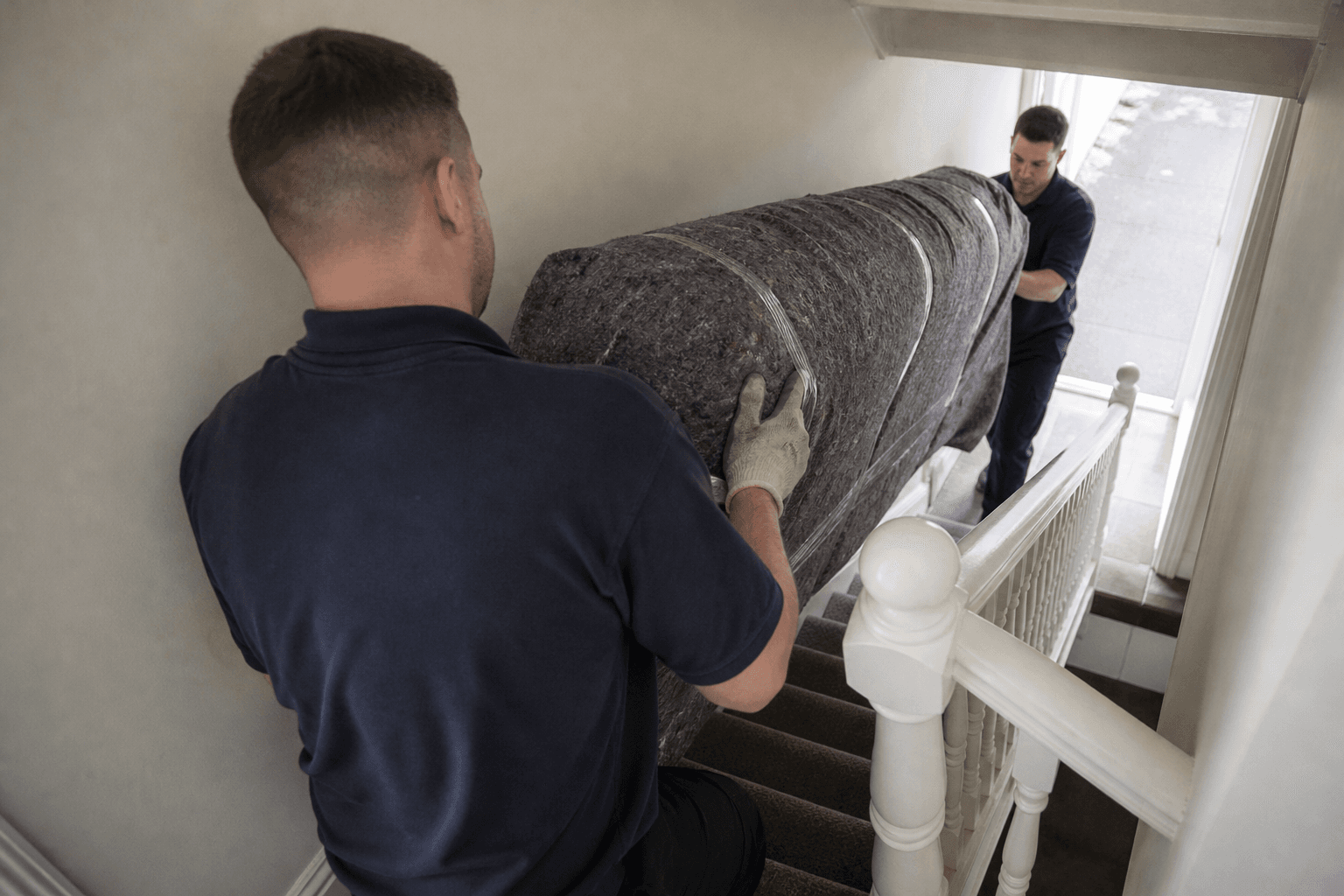
Access can affect the job, so it is worth describing it accurately to the firm. Which? recommends getting quotes from firms that will visit your property rather than estimating over the phone, because restricted access and tight stairways affect the job. A visit lets the firm see the route from the vehicle to the door and up the stairs, rather than relying on your description.
Before the survey, make a note of the following so that you can pass it on:
- How far the vehicle can park from the front door, and whether a permit or loading bay is needed.
- The number of steps, any tight corners on the stairs, and the width of doorways and hallways.
- Any items that are heavy, awkward or need dismantling, such as large wardrobes or a piano.
- Whether the loft, garage or shed will be included in the move.
Extras and charges added separately
Many quotes are built from a base service plus optional extras, and the extras are where totals diverge. Which? advises asking for the estimate to be broken down so you can see what you would pay for insurance, packing, the hourly rate, mileage and any storage. Breaking the figures down also makes it easier to compare firms on the same basis.
Ask about timing as well. Which? recommends finding out whether overtime rates apply and, if they do, what time they start. A job that runs late or starts early can therefore cost more than the figure you were first given. Confirm the figures with the company before you book, because a number from one firm will not necessarily match another.
Insurance and liability
Liability is a cost driver that is easy to miss. Which? explains that a removal company may restrict its liability for your items to a set amount per box, unless you tell it the value of what is inside. Declaring a higher value can raise the quote. If you own high-value possessions, check whether they need special packing and whether the firm's insurance covers them in its terms and conditions, because some policies set a limit per item or per box.
Vehicles, licensing and what the firm must hold
The Government's operator licensing guidance says that you will usually need a goods vehicle operator's licence if you use a goods vehicle over 3.5 tonnes gross plated we