Equipment hire is a cost-effective way to access specialist tools and machinery without the capital outlay of purchase. Yet hiring equipment comes with responsibilities. Before signing a hire agreement, several important checks protect both the hirer and the hire company, ensure compliance with UK law, and prevent costly disputes.
Check Insurance and Liability Terms
The hire company must hold public liability insurance as standard. Ask for proof of current cover and check the limit - it should be substantial enough to cover damage or injury claims. Establish what is covered by their insurance and what falls to you as the hirer. Some companies require you to take out your own hire cover for the duration of the rental; others include protection in the hire fee.
Read the hire agreement carefully to understand liability in the event of theft, loss or damage. Many companies apply damage waivers, meaning you pay a fixed amount if the equipment is returned damaged, rather than the full replacement cost. Others use a deposit system - you will need to confirm the amount held and when it is returned. Understand whether you are liable for accidental damage, misuse, or wear and tear classified as damage by the company.
Confirm You Have the Right Licence and Permits
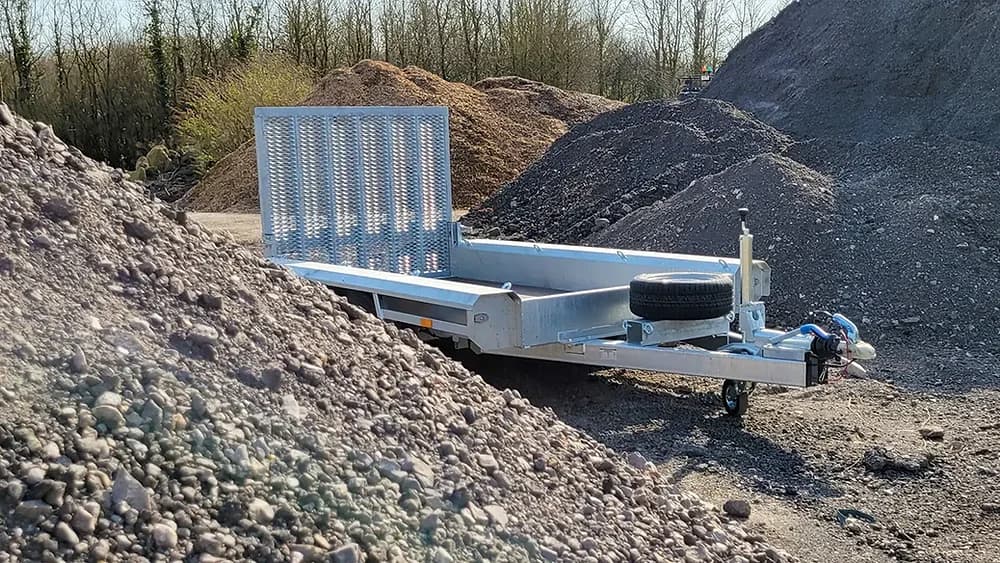
Hiring a trailer, van, or items for use on a public highway or at height carries legal requirements. If you are hiring a trailer, the DVSA and the Highway Code set out rules on maximum weight, braking requirements, and when a full car and trailer (cat EB) driving licence is needed. Confirm with the hire company which licences you need before collection - driving a trailer without the correct entitlement is a criminal offence.
If you are hiring a skip or waste container, your local council may require a permit. The Environment Agency (or SEPA in Scotland) regulates waste, and councils enforce local rules on where skips can be placed on public highways. The hire company often applies for the permit on your behalf, but you are responsible for ensuring one is in place and that you follow its conditions.
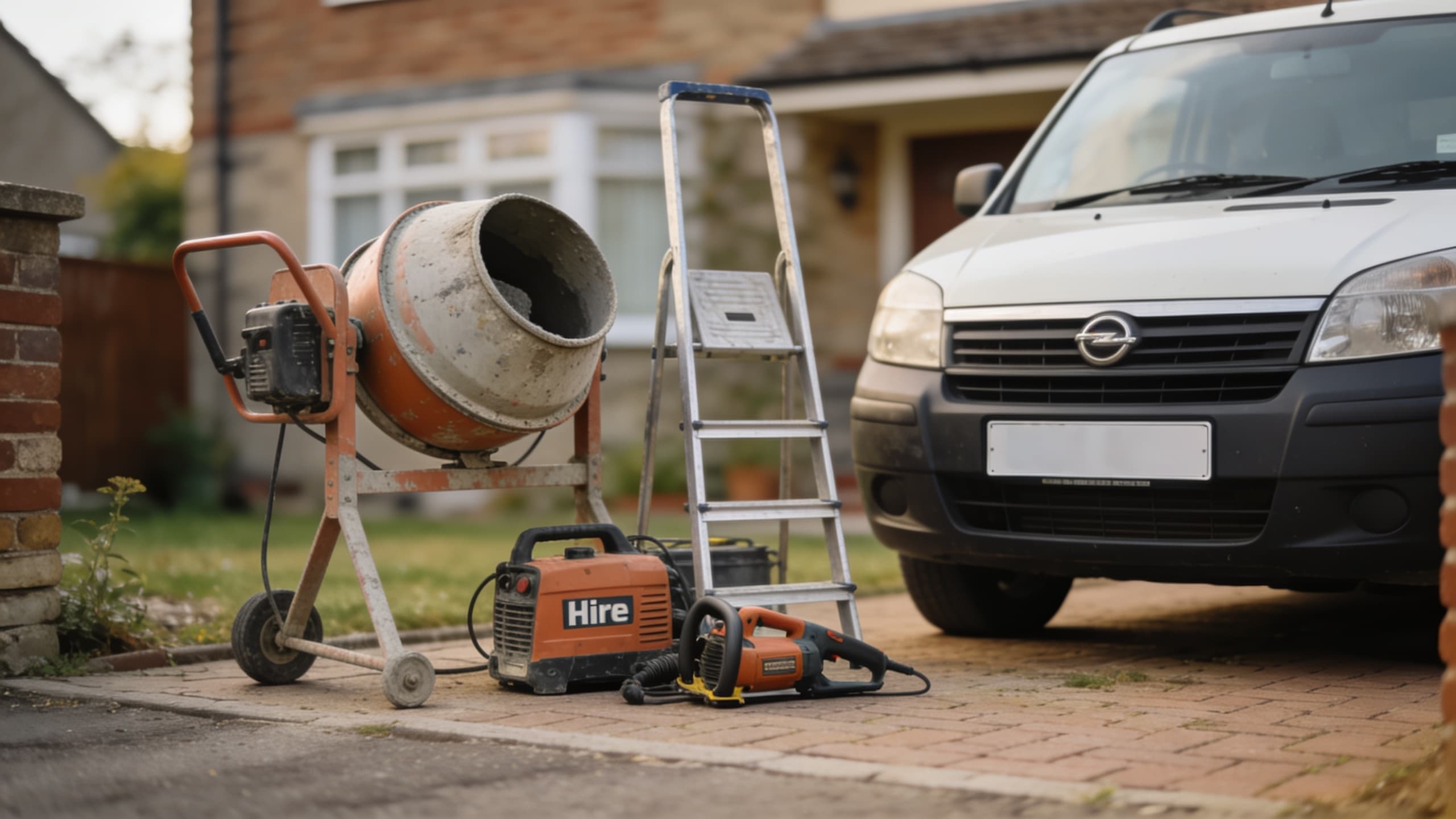
For site equipment such as scaffolding, cherry pickers, or powered tools, the Health and Safety Executive (HSE) sets standards. If you or your team are not trained to use the equipment, you must arrange training or hire a qualified operator. This is not just good practice - it is a legal duty under the Health and Safety at Work etc. Act 1974.
Inspect the Equipment Before You Take It
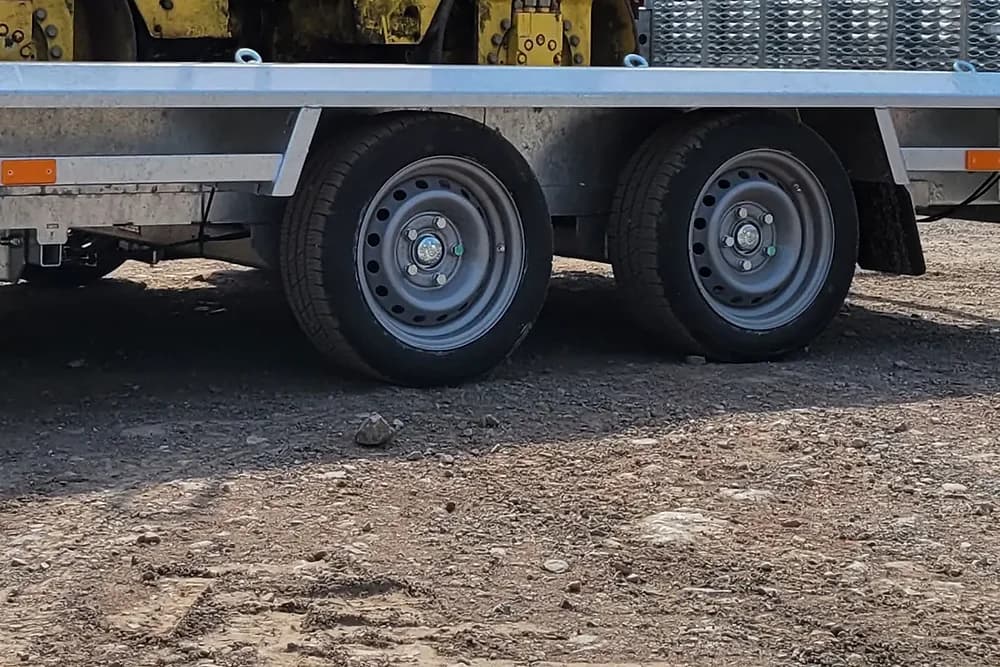
Always inspect the equipment on site before you accept it. Check for visible damage, rust, cracks, or loose parts. Test the basics - can the doors open smoothly, do the lights work, are the tyres in good condition? For powered equipment, check that safety guards are in place and intact. Ask the hire company to walk through the inspection with you and record any existing damage in writing. Take photographs if the company allows it.
Request a demonstration of how to use any unfamiliar controls or features. A few minutes of instruction can prevent operating errors and damage during your hire period. If the equipment does not work as expected, raise it immediately and ask for a replacement rather than accepting a faulty item and risking damage liability.
Verify Safety Certifications
Equipment used in a workplace or on a construction site must meet UK safety standards. Portable electrical tools should have a valid Portable Appliance Test (PAT) certificate, showing the item has been tested within the required interval. Lifting equipment such as slings, chains, or hoists must have a current inspection certificate from a competent person. Pressure equipment, if you are hiring it, should carry CE marking and documentation of its last inspection.
Ask the hire company to show you these certificates before you sign. If they cannot produce them, do not take the equipment - using uncertified equipment breaches health and safety law and could result in injury, prosecution, or both.
Understand the Rental Period and Charges
Clarify the hire period and what constitutes a day, week, or month. Some companies charge by calendar day, others by 24-hour periods. Confirm when payment is due - upfront, on collection, or on return. Ask whether the quoted charge includes delivery and collection, or if these are separate. Understand late return penalties and how they are calculated.
Request a written quote and breakdown of charges. It should list the equipment, the rental period, the base charge, insurance or damage waiver costs, and any delivery or deposit fees. Do not accept verbal quotes without written confirmation.
Read the Full Contract
Before signing, read the terms and conditions in full. Check the cancellation policy - can you cancel without penalty, and if so, how much notice is required? Understand the consequences of returning equipment damaged or late. Confirm whether the company requires a deposit and how it is refunded. Look for any clauses requiring you to indemnify the company against third-party claims, and check whether this is reasonable for the equipment and use case.
If anything in the contract is unclear or seems unreasonable, ask the hire company to explain or amend it before you sign.
Finding a reputable hire company is the first step. GetBrent.co.uk helps you locate local equipment and tool hire companies in your area, making it easier to compare options and get in touch directly. Whether you need tool hire in London or specialist equipment elsewhere, doing these checks before you hire will protect your interests and keep your project on track.