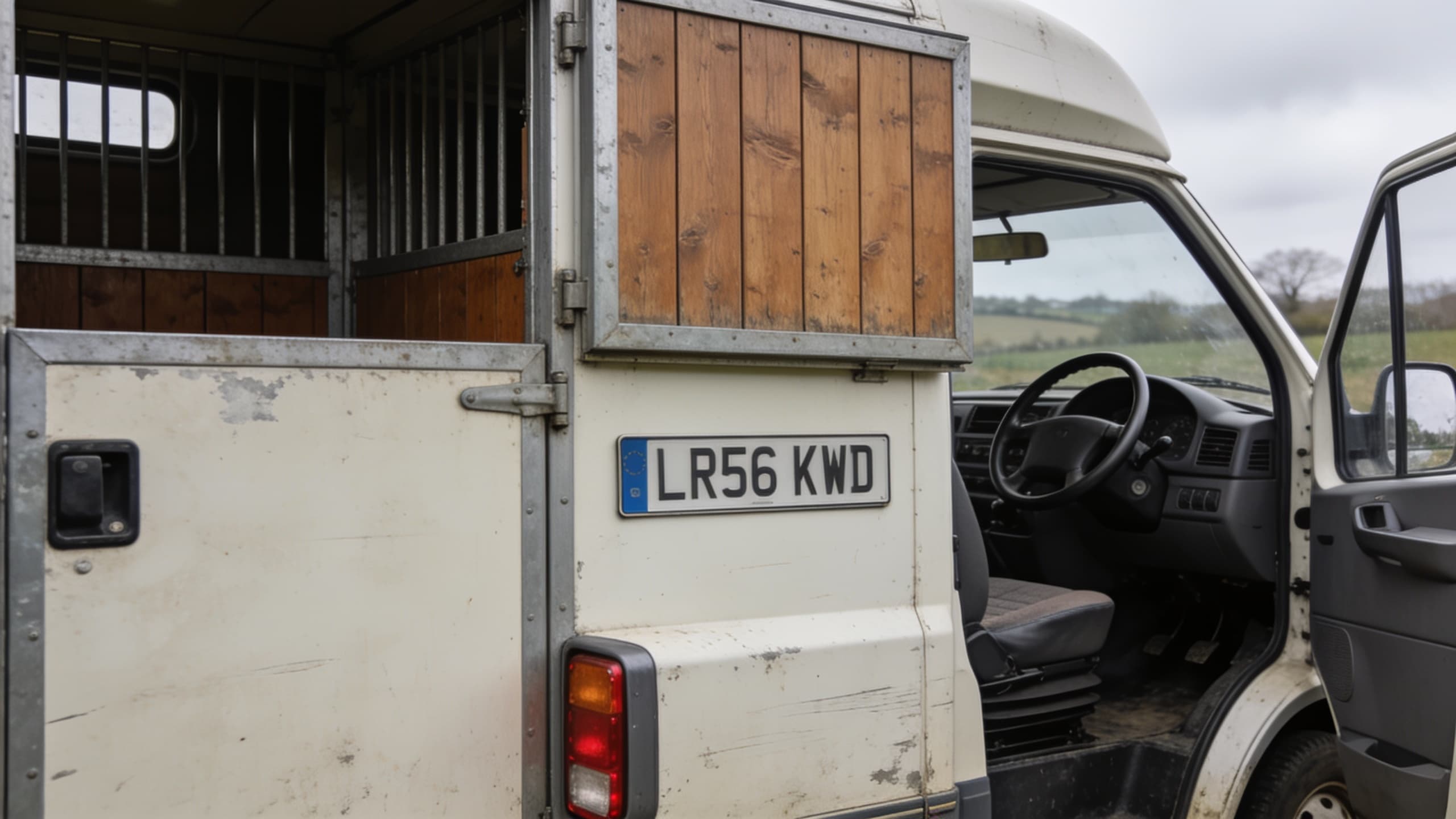
One-way van hire is available in the UK: you collect the vehicle from one branch and return it to a different location rather than driving back to your starting point. Most national hire companies offer the service, but an additional drop-off fee almost always applies, availability varies by route and vehicle category, and there are licence and age requirements you must meet before you can collect the keys.
What One-Way Van Hire Means
With standard van hire you pick up and drop off at the same depot. One-way hire removes that requirement, so you can load up in one city, drive to your destination and hand the van back at a convenient local branch. This suits house moves, university start-of-term runs, event logistics and any job where returning an empty van to your starting point would waste time and fuel.
Not every hire company offers the service on every route, and some restrict it to particular van sizes. The only reliable way to confirm whether a one-way option exists for the journey you have in mind is to enter both locations on the company's booking system or contact them directly. If the route is not supported, the system will say so.
Drop-Off Fees and What Drives the Cost
A one-way drop-off fee is charged by most suppliers on top of the standard hire rate. The size of that fee depends on the distance between the collection and return depots, the van category, the specific locations involved and the hire date. Because these variables differ from one company to the next, and from one route to the next, no single figure applies across the industry. Always ask for the drop-off charge to be confirmed in writing before you complete a booking, so there are no surprises at collection or return.
Some companies display the fee automatically once you enter a return location that differs from the pick-up point. Others add it at the counter if you arrive without prior agreement, so it is worth securing written confirmation in advance.
Licence and Age Requirements
The rules that apply to one-way hire are the same as those for any van hire. Key points to be aware of before booking are:
- Licence category: A standard Category B car licence covers vehicles up to 3,500kg maximum authorised mass for petrol and diesel vehicles, so no additional test or entitlement is needed for the majority of hire vans.
- Minimum age: Age thresholds vary by company and vehicle type. Many suppliers set the minimum at 25 for standard panel vans, and some require drivers to be older still for larger vehicles such as Luton vans. Check the specific threshold for the van category you need.
- Licence duration: Most companies require you to have held a full driving licence for at least one to two years. The exact minimum differs by supplier, so confirm this when booking.
- Penalty points: Companies set their own limits on the number of points they will accept. Disclose any endorsements at the time of booking; failing to do so can invalidate the hire agreement.
- Named drivers: If someone other than the booker will be driving, their licence details and DVLA check code are usually required separately.
For specialist vehicle hire such as refrigerated vans, tippers or high-roof panel vans, additional restrictions may apply. Confirm with the individual company.
Documents You Need at Collection
Arriving at the depot without the right paperwork can mean the hire is refused. Bring the following:
- Photocard driving licence: The physical photocard is required. Paper licences are usually refused, and a digital version on a phone is not accepted in place of the card.
- DVLA licence check code: Since the paper counterpart to the photocard was abolished, hire companies ask drivers to generate a check code through the DVLA's online service at gov.uk/view-driving-licence. To create the code you need your driving licence number, your National Insurance number and the postcode on your licence. The check code lets the company view your driving record, including any penalty points or disqualifications. The code is valid for 21 days, so generate it close to your collection date rather than weeks in advance.
- Proof of address: A recent utility bill or bank statement dated within the past two to three months is commonly requested.
- Payment card: A credit or debit card is needed for the hire charge and any deposit. Check which card types the company accepts before travelling to the depot.
Taking a Hire Van Abroad
One-way hire in the UK is straightforward in principle, but if your journey takes you across the Channel or to any other country, an additional document is required. The RAC confirms that UK drivers taking a hired vehicle abroad must carry a VE103 vehicle on hire certificate. This document substitutes for the vehicle registration document, which the hire company will not release. Ask the hire company for the VE103 well before your departure date, as it needs to be arranged in advance.
If you are looking for local firms that handle cross-border or long-distance specialist moves, you can browse specialist vehicle hire in London, specialist vehicle hire in Birmingham or specialist vehicle hire in Southampton, depending on where your journey begins.
Checklist Before You Book
- Confirm the return depot exists and accepts drop-offs for your chosen van category.
- Ask for the one-way drop-off fee in writing before paying.
- Check the minimum age requirement for the specific van size you need.
- Verify that your licence has been held long enough to satisfy the company's policy.
- Declare any penalty points at the time of booking, not on collection day.
- Generate your DVLA licence check code no more than 21 days before collection.
- If driving abroad, request the VE103 certificate from the hire company in advance.
- Confirm accepted payment methods and any deposit that will be held.
GetBrent lets you compare local van hire companies across the UK and contact them directly to confirm routes, drop-off fees and availability for your dates. Search GetBrent to find hire firms near your collection point and get the detail you need before you commit.