Before you hire a van in the UK, there are several practical checks worth making - on your licence, your insurance position, the vehicle itself and the hire agreement - because terms vary significantly between companies and getting any of them wrong can be costly.
Licence and age requirements
Most standard hire vans in the UK fall within the Category B (car) licence entitlement, which covers vehicles up to 3,500 kg maximum authorised mass. A full UK or EU driving licence is required by virtually all hire companies; a provisional licence is not accepted. The DVSA sets the licence categories, and you can verify your own entitlements through the DVLA's online licence checking service before you book.
Age limits are set by the hire company rather than by law, and they vary. Many firms require drivers to be at least 21 or 25 years old, and some impose an upper age limit as well. Young or older drivers may face an additional surcharge, which you should confirm with the company directly. Hire companies also routinely check your licence online via the DVLA's share-your-licence service, so have your National Insurance number or licence check code ready at collection.
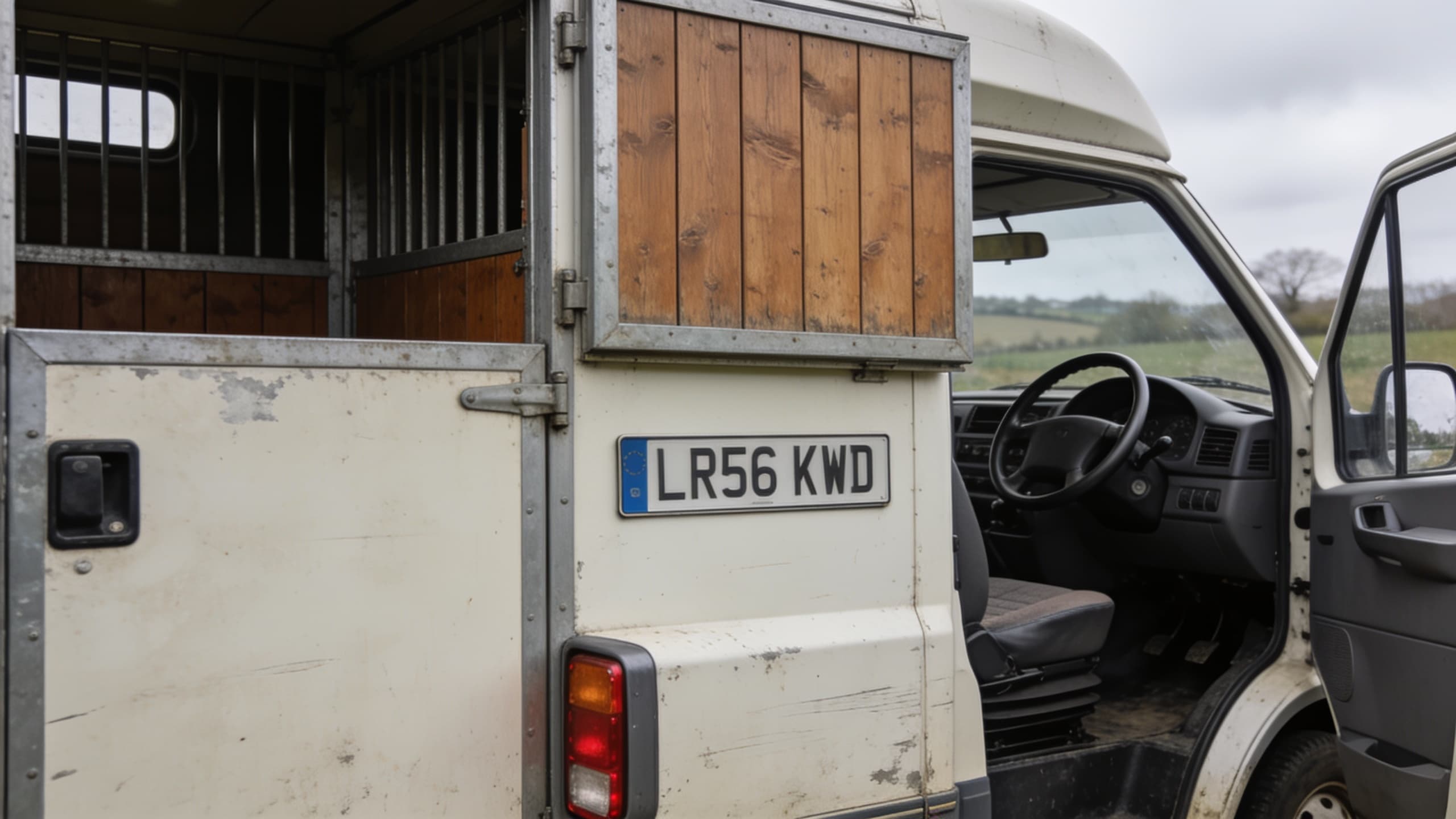
If you need a larger or more specialist vehicle - a welfare unit, a refrigerated truck or a horsebox, for example - the entitlement requirements change. You can explore options through the specialist vehicle hire category to find companies that can advise on the correct licence class for the vehicle type.
Understanding the insurance excess and deposit
A hire van is covered by the rental company's own insurance policy, but that policy will carry an excess - the amount you would be liable for in the event of damage or theft before the insurer pays out. This excess can be substantial, so it is one of the most important figures to establish before you sign anything.
A deposit is a separate matter from the excess. The deposit is typically a temporary hold placed on a credit or debit card at collection; it is released when the van is returned undamaged. The excess only becomes relevant if there is a claim. Many hire companies offer a Collision Damage Waiver (CDW) that reduces or removes your exposure to the excess - sometimes for an additional daily charge - but always read what the waiver actually covers, as tyres, roof damage, undercarriage damage and misfuelling are commonly excluded from standard policies.
If you prefer to arrange your own excess protection, standalone van hire excess insurance policies are available from insurers independently of the hire company. Purchase any such policy before you collect the vehicle, as many insurers will not cover hire that has already begun.
Fuel policy and mileage
Hire companies operate different fuel policies, and confusing them is one of the most common sources of unexpected charges. The two most common arrangements are:
- Full-to-full - you collect the van with a full tank and return it full. You pay only for what you use.
- Full-to-empty - you pay for a full tank at the start and are expected to return the van as empty as possible, with no reimbursement for remaining fuel.
Mileage may also be capped under some agreements. If you expect to cover a long distance, check whether the hire includes unlimited mileage or whether a per-mile charge applies beyond a set allowance, and confirm the figure with the company before you book.
What to check on collection
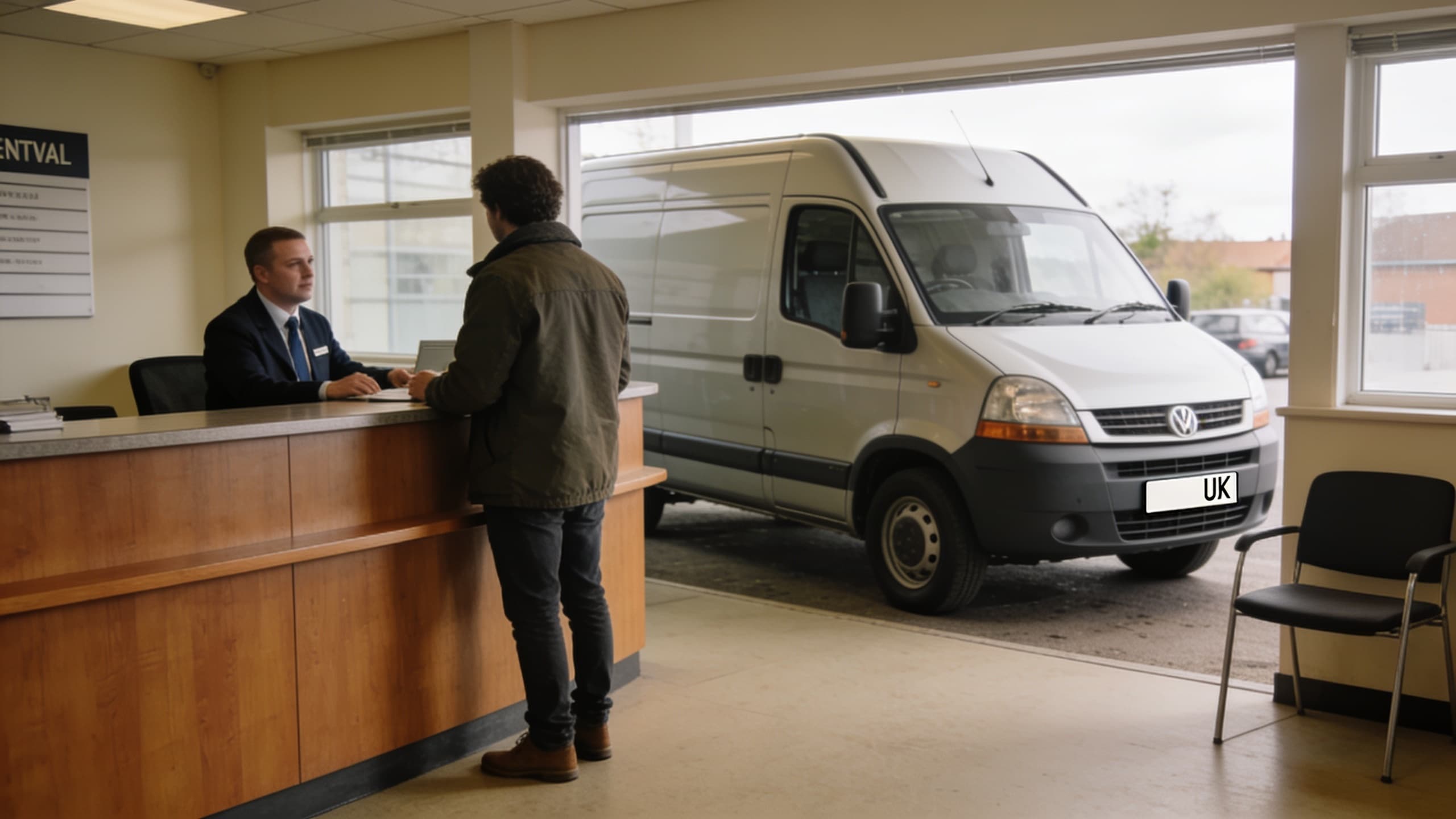
Before you drive away, carry out a thorough walk-around with a member of staff and document the condition of the vehicle. This step protects you from being charged for damage that existed before your hire began.
- Photograph all four sides, the roof, the load area floor and any existing scuffs, dents or scratches.
- Confirm the fuel level matches what is stated on the hire agreement.
- Check that the tyre condition and tyre pressures are satisfactory.
- Test that the lights, indicators and mirrors are all working.
- Confirm the fuel type - diesel or petrol - to avoid misfuelling, which is typically not covered by standard hire insurance.
- Ask whether any other drivers need to be added as named drivers before the hire starts, as unlisted drivers are often uninsured under the hire agreement.
- Make sure you have a copy of all paperwork, including the condition report, before you leave the depot.
Specialist and one-way hire
If your move or project requires something beyond a standard panel van - a Luton with a tail-lift for heavy furniture, a temperature-controlled vehicle or a low-loader for plant - it is worth contacting specialist hire firms directly, as their terms, vehicle specifications and licence requirements will differ from those of a general hire depot. Customers in major cities can find local options through pages such as specialist vehicle hire in London, specialist vehicle hire in Birmingham or specialist vehicle hire in Southampton, making it straightforward to compare firms and contact them direct.
One-way hire - collecting from one depot and dropping off at another - is offered by some companies but not all, and may carry an additional charge. Confirm availability and any fees when you book rather than assuming it will be possible on the day.
Find a local van hire company on GetBrent
GetBrent lists van hire, horsebox hire and specialist vehicle hire companies across the UK, so you can compare local firms and contact them directly without going through a national booking platform. Search by location to find hire depots near you, read what each company offers, and confirm all the details - excess, deposit, fuel policy, mileage and age requirements - with them before you sign the agreement.