You can hire a van in the UK with penalty points on your licence, but whether a company will accept you depends entirely on its own insurance policy and the threshold it sets - there is no single national rule that applies across all providers.
Why points affect van hire eligibility
Van hire companies do not set their own acceptance rules in isolation. Their restrictions are driven by the terms of the motor fleet insurance policy they hold. If a driver falls outside those terms - too many points, too serious an offence, or a recent ban - the insurer will not cover that driver, and the hire firm cannot legally hand over the keys. This is why policies vary from company to company and why a firm that accepts you elsewhere may not be the same one that accepts you locally.
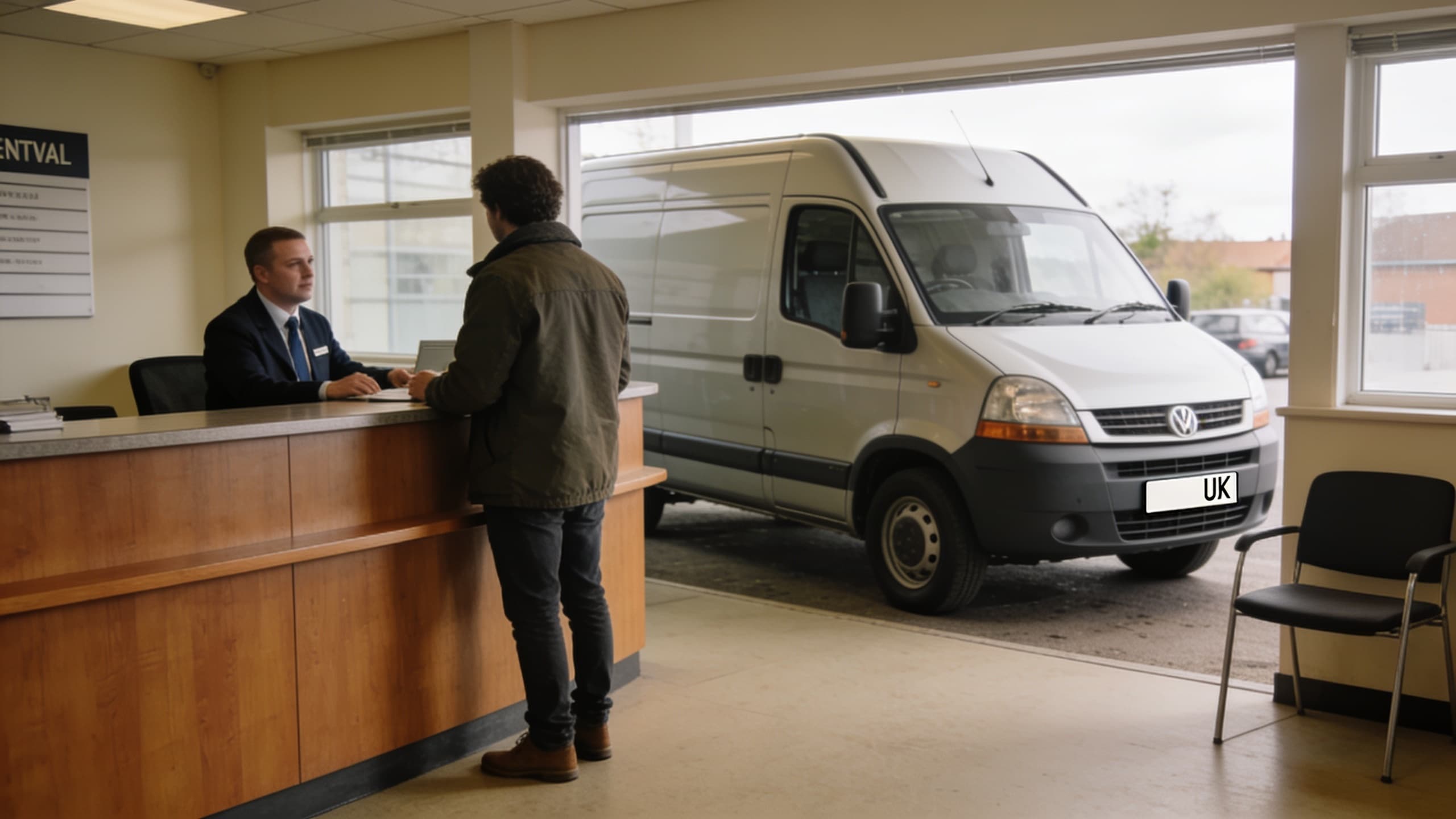
The DVLA records all endorsements on your photocard licence. Hire companies are legally entitled to verify your record before completing a booking, and they will do so via the official DVLA licence check service. You should generate a DVLA check code from gov.uk before you arrive to collect the vehicle, because without it most firms will not release the van. The code confirms both your endorsements and the licence categories you hold.
How many points will most firms accept?
There is no universal threshold, but in practice the picture looks roughly like this:
- Three points - the large majority of hire companies will accept a driver with three points, though the firm will typically consider how recent the offence was and what it was for.
- Six points - some companies will still hire to you with six points if the offences were minor and spread over time, but others treat six as their hard limit. A younger driver - typically one under 25 - will usually face a stricter cut-off, often three points or fewer.
- Nine points or more - very few standard hire companies will insure a driver at this level. Some specialist or commercial hire providers may consider individual cases, but it is far from guaranteed.
- Current ban or revoked licence - no legitimate hire company can insure or rent to you if you are currently disqualified from driving.
The type of endorsement matters as much as the number of points. A drink-drive conviction (DR10) or a disqualified-driver offence is treated far more seriously by insurers than a single speeding endorsement carrying three points, even when the point totals look similar on paper.
What documents you will need to bring
Knowing your point total in advance is only half the preparation. Most hire companies also require the following before releasing a vehicle:
- Your photocard driving licence (the physical card).
- A DVLA licence share code generated from gov.uk - valid for 21 days from the date you create it.
- At least two proofs of your current address, such as a utility bill or bank statement, normally dated within the last three months and matching the address on your licence.
If you still hold an old-style paper licence without a photocard, bring a valid passport as well. Some companies will not hire to paper-licence holders at all, so ring ahead before you travel to the depot.
How endorsement codes affect the decision
Every endorsement on your licence carries a code that identifies the offence category. Hire firms and their insurers look at these codes, not just the point total. For example, codes in the DR range (drink-related offences) and IN10 (driving without insurance) attract far greater scrutiny than SP30 (exceeding a speed limit). More serious endorsements can stay on your licence for up to 11 years, and hire companies are permitted to take older convictions into account even if the DVLA has already removed the points after the standard four-year period.
If you are unsure what endorsements appear on your record, check your own licence through the DVLA's online service before you contact any hire firm.
Practical tips before you book
- Declare everything. Hire firms run an electronic check via the DVLA share code - points you do not mention will be found, and non-disclosure can void the insurance entirely.
- Ring ahead, do not just turn up. If you have more than three points, call the company before making a booking. An aborted trip to collect a van wastes everyone's time.
- Compare local firms. Thresholds vary, and a company that declines you is not the only option. Use a local comparison tool to identify alternatives in your area rather than assuming all providers operate the same policy.
- Ask about named drivers. If a second driver also needs to be covered, their licence will be checked independently. A named driver with more points than the primary hirer can affect the whole booking.
- Check the DVLA share code expiry. The code is only valid for 21 days. Generate it close to your hire date, not weeks in advance.
Specialist and unusual vehicles
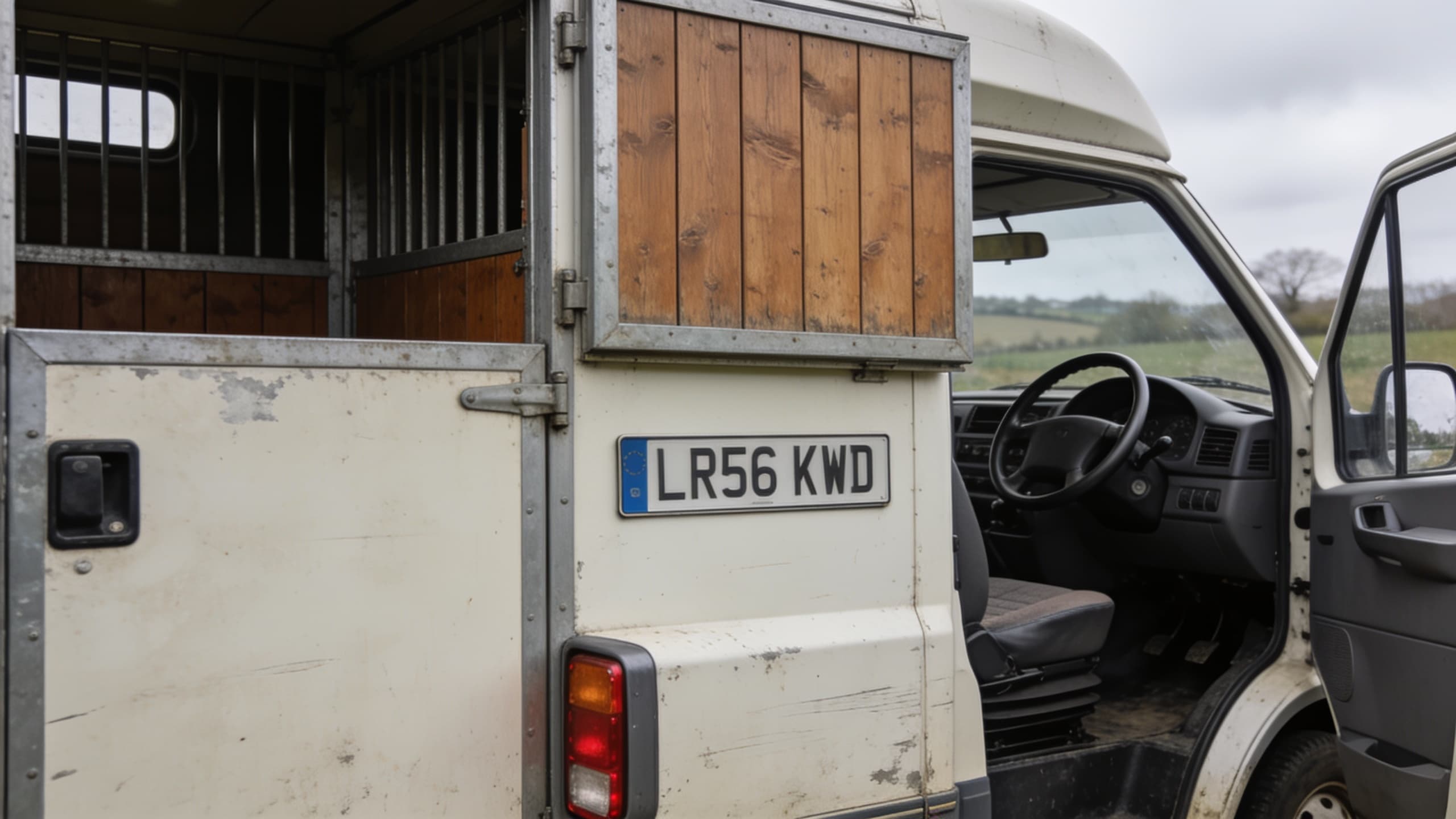
The rules above apply to standard vans up to 3.5 tonnes, which require a Category B licence. If you need something larger or more specialist - a vehicle over 3.5 tonnes, a horsebox, or a bespoke commercial unit - the licence category required changes, and hire companies in that sector often apply even stricter endorsement thresholds because the vehicles carry greater risk. If you are looking at that end of the market, browse specialist vehicle hire companies across the UK to find providers and contact them directly about their own eligibility criteria. If you are based in or near a major city, you can also search for specialist vehicle hire in London or specialist vehicle hire in Birmingham to compare local firms who can advise on licence and endorsement requirements for the specific vehicle you need.
GetBrent makes it straightforward to find and compare van and vehicle hire companies near you, contact them directly, and ask the right questions before you commit to a booking. Search your area, check what each local firm requires, and hire with confidence.