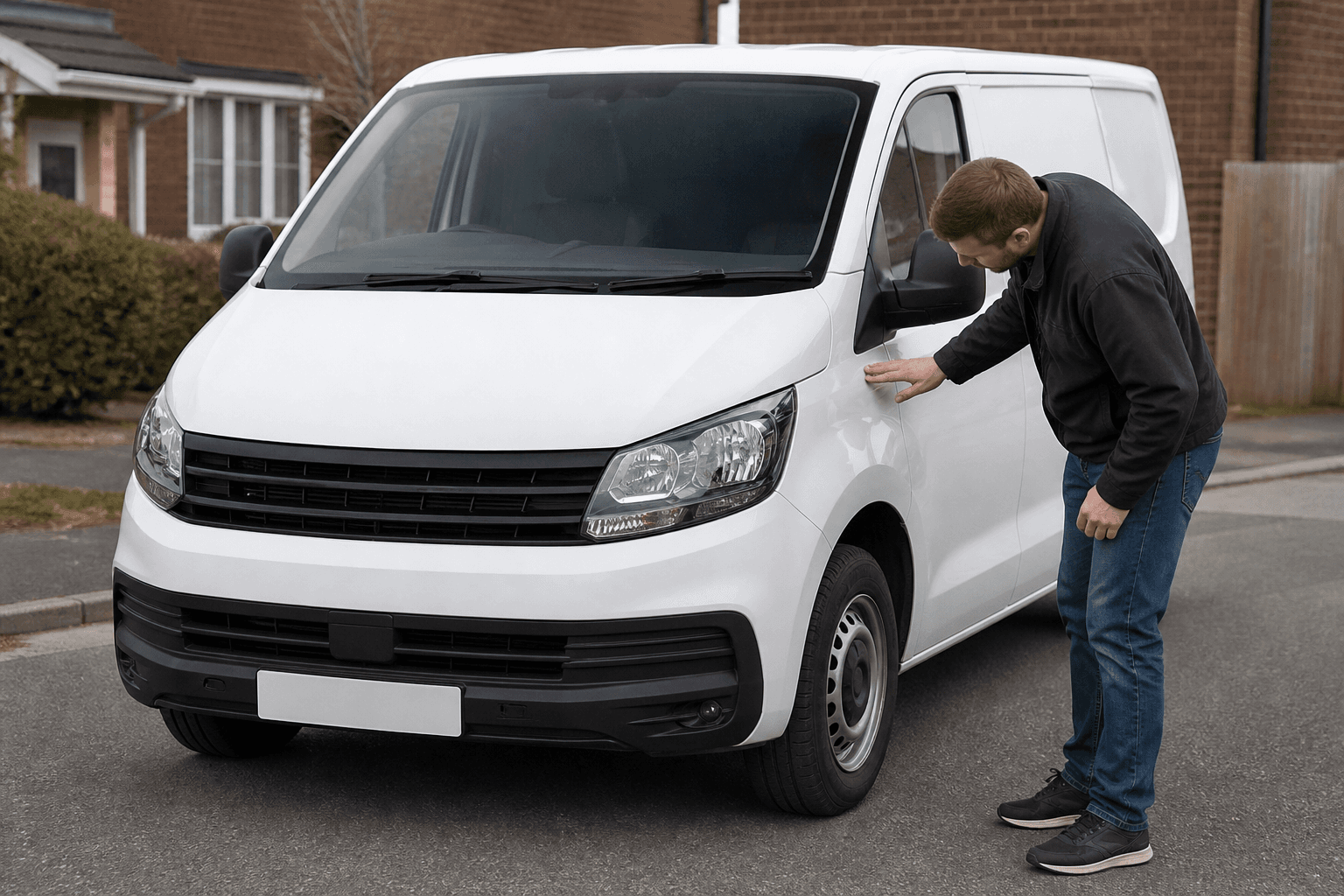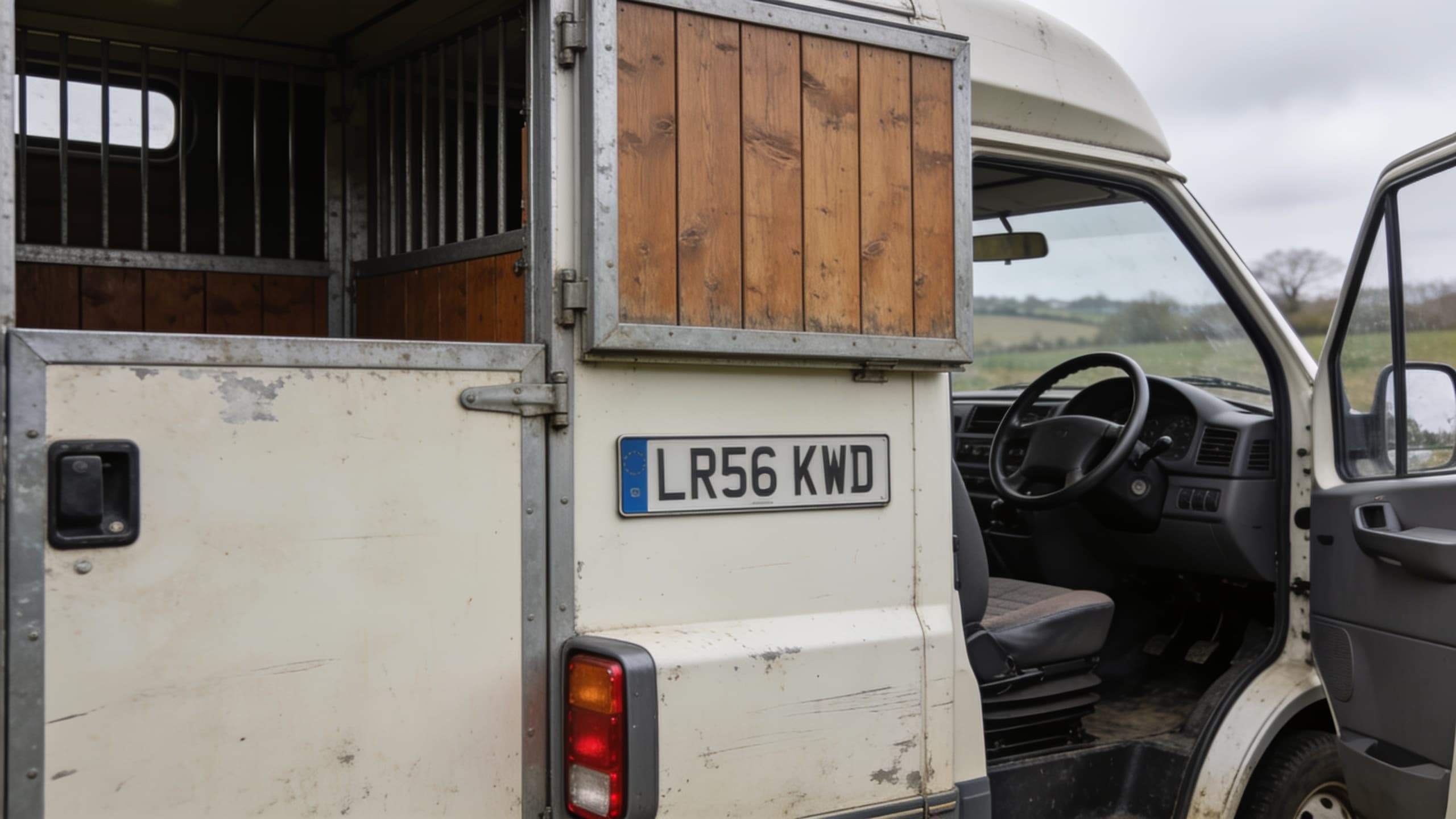
Whether you can drive a hired minibus on a standard car licence in the UK depends on four things: when you passed your driving test, the weight and size of the vehicle, whether any payment is involved, and whether you intend to tow a trailer. Get any one of those wrong and you may be driving without the correct entitlement.
What counts as a minibus under UK law?
Under UK licensing rules, a minibus covered by Category D1 is a vehicle with no more than 16 passenger seats and a maximum length of 8 metres. When driving a minibus on a Category B licence under the voluntary-use conditions, the minibus must not exceed 3.5 tonnes maximum weight, or 4.25 tonnes if fitted with specialist equipment for the carriage of disabled passengers.
Category D1: the standard minibus licence
Category D1 covers vehicles with no more than 16 passenger seats, a maximum length of 8 metres, and the ability to tow a trailer up to 750 kg maximum authorised mass (MAM). Category D1E extends that permission to tow a trailer over 750 kg, with the combined MAM of vehicle and trailer not exceeding 12,000 kg.
A full Category D1 licence is required when a minibus is driven commercially.
Driving a minibus on a Category B car licence
You do not always need a D1 licence. Drivers who passed their Category B car test before 1 January 1997 were automatically granted Category D1 (not for hire or reward) entitlement, shown as code D1 (101) on the licence. This allows them to drive a minibus provided it is not used for hire or reward. The entitlement remains on the licence until it expires, normally at age 70, and renewal requires meeting higher Group 2 medical standards.
Drivers who passed their test on or after 1 January 1997 did not receive D1 (101) automatically. They can still drive a minibus on a Category B licence, but only if all of the following conditions are met:
- The vehicle is used for social purposes by a non-commercial body.
- The driver is at least 21 years old and has held a full car licence for at least two years.
- The minibus does not exceed 3.5 tonnes maximum weight (or 4.25 tonnes if fitted with specialist equipment for disabled passengers).
- The driver receives no payment or consideration other than out-of-pocket expenses.
- The driver is acting on a voluntary basis.
- No trailer is being towed.
If you are hiring a minibus and intend to charge passengers, or if the hire is for a commercial event, these conditions will not be met and a D1 licence will be required.
The Section 19 Permit: when a charity or club charges passengers
Practical checklist before hiring a minibus
Before collecting the keys, work through these points:
- Check your licence categories. View your licence online via the DVLA to see whether D1 or D1 (101) appears.
- Confirm the vehicle weight. Ask the hire company for the gross vehicle weight (GVW). If it exceeds 3.5 tonnes and you lack D1, you cannot drive it on a Category B licence.
- Count the seats. A vehicle with 9 or more passenger seats is a minibus. Eight or fewer and it is classified as a car.
- Establish whether payment is involved. Any payment by or on behalf of passengers that gives them a right to be carried constitutes hire or reward, requiring a full D1.
- Check the hire company's own rules. Many specialist vehicle hire companies impose age minimums or require a named-driver declaration. Confirm what documentation they need at the point of booking.
- Do not tow. Even if you qualify to drive the minibus on a Category B licence, you may not tow a trailer at the same time under those conditions.
- Check insurance. Ensure the hire vehicle's insurance covers you specifically, including any add-ons the company requires for drivers without D1.
If you are looking for specialist vehicle hire across the UK, including minibuses, accessible vehicles and other passenger-carrying options, compare local operators before booking to confirm what licence they require from the driver.
When you need a full D1 licence
You will need to hold a full Category D1 licence if:
- The minibus is used commercially, with passengers paying for the journey.
- The vehicle has more than 16 passenger seats.
- You passed your test after 1 January 1997 and do not meet all the voluntary-use conditions above.
- You want to tow a trailer over 750 kg behind the minibus.
Drivers looking for specialist vehicle hire in London or specialist vehicle hire in Birmingham will find that local operators vary in their requirements, so it is always worth contacting them directly to confirm what entitlement they accept before you commit to a booking.
Find local minibus and specialist vehicle hire on GetBrent
GetBrent brings together local specialist vehicle hire companies across the UK, so you can compare firms in your area and contact them directly. Whether you need a minibus for a club trip, an accessible vehicle, or any other specialist transport, search GetBrent to find and compare operators near you before you book.
Now let me format the full response correctly: QUESTION: Can I drive a hired minibus on a standard car licence UK? SOURCES: https://www.gov.uk/driving-licence-categories https://www.gov.uk/government/calls-for-evidence/driving-licensing-review-call-for-evidence-on-opportunities-for-changes-to-the-driver-licensing-regime/driving-licensing-call-for-evidence https://www.nidirect.gov.uk/articles/driving-minibus https://www.nidirect.gov.uk/driving-passenger-carrying-vehicles-pcv-on-a-car-driving-licence TITLE: Can You Drive a Hired Minibus on a Car Licence? ANSWER: Whether you can drive a hired minibus on a standard Category B car licence depends on when you passed your test, the weight of the vehicle, whether any payment is involved, and whether you intend to tow a trailer. Drivers who passed before 1 January 1997 may already have D1 (not for hire or reward) entitlement on their licence. Those who passed later can only drive a minibus on a Category B licence for non-commercial voluntary use, provided they are at least 21, have held their licence for at least two years, and the vehicle does not exceed 3.5 tonnes. META: Learn which driving licence lets you drive a hired minibus in the UK - covering Category B conditions, D1 requirements, the 1997 rule change and what happens when passengers pay. ---Whether you can drive a hired minibus on a standard car licence in the UK depends on four things: when you passed your driving test, the weight and size of the vehicle, whether any payment is involved, and whether you intend to tow a trailer. Get any one of those wrong and you may be driving without the correct entitlement.
What counts as a minibus under UK law?
Under UK licensing rules, a minibus is a vehicle with between 9 and 16 passenger seats, not counting the driver's seat, and a maximum length of 8 metres. Vehicles with 8 or fewer passenger seats are classified as cars and can be driven on a standard Category B licence in ordinary circumstances. A minibus must not exceed 3.5 tonnes gross vehicle weight, unless it is fitted with specialist equipment for carrying disabled passengers, in which case the limit rises to 4.25 tonnes.
Category D1: the standard minibus licence
The DVLA sets the rules on driving licence categories. Category D1 covers vehicles with no more than 16 passenger seats, a maximum length of 8 metres, and the ability to tow a trailer up to 750 kg maximum authorised mass (MAM). Category D1E extends that permission to tow a trailer over 750 kg, with the combined MAM of vehicle and trailer not exceeding 12,000 kg.
A full Category D1 licence is required when a minibus is driven commercially - that is, when the driver is paid or passengers pay for the journey as a right of carriage. In commercial situations, the DVSA also requires the driver to hold a Driver Certificate of Professional Competence (Driver CPC) alongside the D1 licence.
Driving a minibus on a Category B car licence
You do not always need a D1 licence. Drivers who passed their car driving test before 1 January 1997 may have entitlement to drive minibuses on a voluntary basis, shown as category D1 with restriction code 79 (nfhr) on their licence. This allows them to drive a minibus provided the vehicle is not operated for hire or reward. If your licence has been medically restricted or if you are aged over 70, you must meet the higher medical standards to have your minibus entitlement reissued.
Drivers who passed their test on or after 1 January 1997 did not receive D1 (101) automatically. They can still drive a minibus on a Category B licence, but only if all of the following conditions are met:
- The vehicle is used for social purposes by a non-commercial body.
- The driver is at least 21 years old and has held a full car licence for at least two years.
- The minibus does not exceed 3.5 tonnes maximum weight (or 4.25 tonnes if fitted with specialist equipment for disabled passengers).
- The driver receives no payment or consideration other than out-of-pocket expenses.
- The driver is acting on a voluntary basis.
- No trailer is being towed at the same time.
If you are hiring a minibus and intend to charge passengers, or if the hire is for a commercial purpose, these conditions will not be met and a D1 licence will be required.
The Section 19 Permit: when an organisation charges passengers
Voluntary and non-profit organisations - such as sports clubs, charities and faith groups - can apply for a Section 19 Permit under the Transport Act 1985. A permit allows a non-commercial body to recover running costs from passengers without the driver needing a full D1 commercial licence, provided the other licence conditions listed above are still satisfied. Applications are made through the traffic commissioner for the relevant region, via the process administered by the DVSA. If your group plans to hire a minibus and recover costs from passengers, confirm whether a permit is in place before driving.
Practical checklist before hiring a minibus
Before collecting the keys, work through these points:
- Check your licence categories. View your licence online via the DVLA to confirm whether D1 or D1 (101) appears on it.
- Confirm the vehicle weight. Ask the hire company for the gross vehicle weight (GVW). If it exceeds 3.5 tonnes and you do not hold D1, you cannot drive it on a Category B licence.
- Count the passenger seats. Nine or more seats makes it a minibus. Eight or fewer and it is classified as a car for licensing purposes.
- Establish whether any payment is involved. Any payment by or on behalf of passengers that gives them a right to be carried constitutes hire or reward and requires a full D1.
- Check the hire company's own requirements. Many specialist vehicle hire companies impose minimum
Sources