You can drive a removal van on a standard car licence if its maximum authorised mass is 3,500kg or less. The maximum authorised mass, which includes the maximum load the van can safely carry, decides which licence applies. This guide covers the weight rules, the trailer limits and when a removal business needs an operator licence as well as a driving licence.
What a category B licence covers
A standard car licence carries category B. That entitlement applies to vehicles with a maximum authorised mass of no more than 3,500kg, provided they seat eight passengers or fewer. Nidirect explains that the maximum authorised mass is the heaviest a vehicle or trailer may weigh on the road, including the maximum load it can safely carry.
The figure is usually fixed to the vehicle. Nidirect notes that it is listed in the owner's manual and normally shown on a plate or sticker fitted to the vehicle. Read that figure before you agree to hire or drive any van, rather than relying on the name of the model.
When a heavier van needs category C1
Vehicles above 3,500kg fall outside category B. The RAC describes category C1 as the entitlement for vehicles between 3,500kg and 7,500kg maximum authorised mass, with a trailer up to 750kg. A van of that size therefore needs a licence entitlement beyond the standard car licence.
Older licences can carry wider rights. The RAC notes that drivers who passed their test before 1 January 1997 have broader entitlements, including a vehicle and trailer combination with a maximum authorised mass of 8,250kg. Look at the categories printed on your own licence before you collect a larger van, rather than assuming what an older licence allows.
How trailers change the limit
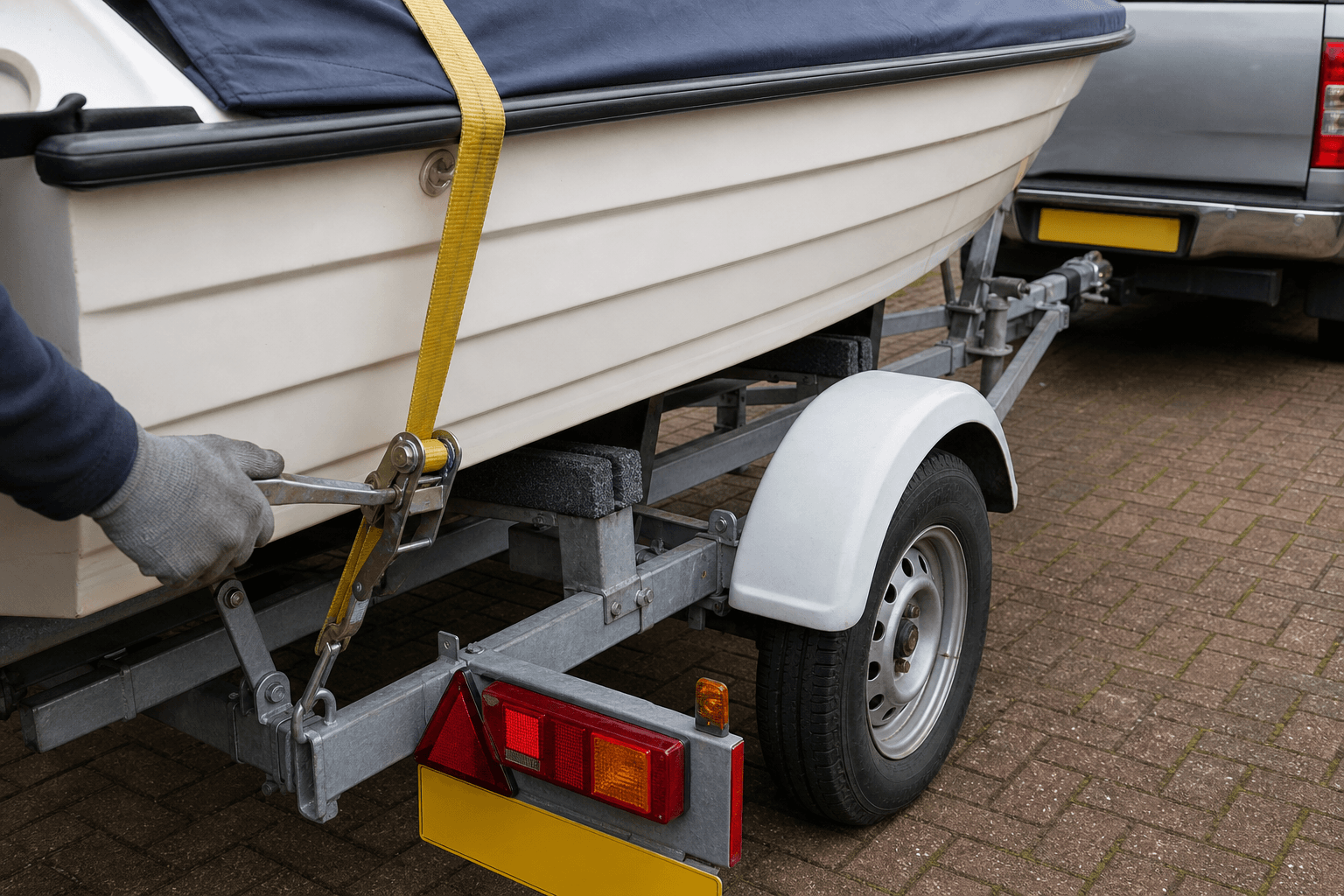
A trailer adds a second weight calculation. Nidirect states that a category B vehicle may be coupled with a trailer over 750kg only if the two together do not exceed 3,500kg. A trailer of up to 750kg is treated differently, and nidirect gives a combined limit of 4,250kg for that combination.
Add the van's plated weight to the trailer's plated weight before you hitch up. A van that is legal on its own can still be over the combined limit once a trailer is attached.
When a removal business needs an operator licence
A driving licence and a goods vehicle operator licence answer different questions. GOV.UK says an operator licence is usually needed where a vehicle over 3.5 tonnes gross plated weight carries goods for hire or reward, or in connection with a trade or business. A removal firm using a heavier vehicle for paying customers is therefore within that rule.
GOV.UK also says a person carrying only their own goods in a vehicle of 3.5 tonnes or less may not need an operator licence for journeys within the UK, provided the trailer's unladen weight is under 1,020kg. The Driver and Vehicle Standards Agency (DVSA) is responsible for ensuring operators comply with the legislation on operator licensing.
Checklist before you collect a van
- Find the van's maximum authorised mass on its plate, sticker or in the handbook.
- Check that the categories on your licence cover that weight.
- Add the trailer's maximum authorised mass to the van's figure before you tow.
- If you are booking a firm, ask whether its vehicles are over 3.5 tonnes and whether it holds the operator licence that the work requires.
If you are arranging a move in the capital, you can start with removal firms in London, or browse the wider removals and logistics listings to find the right vehicle for your job.