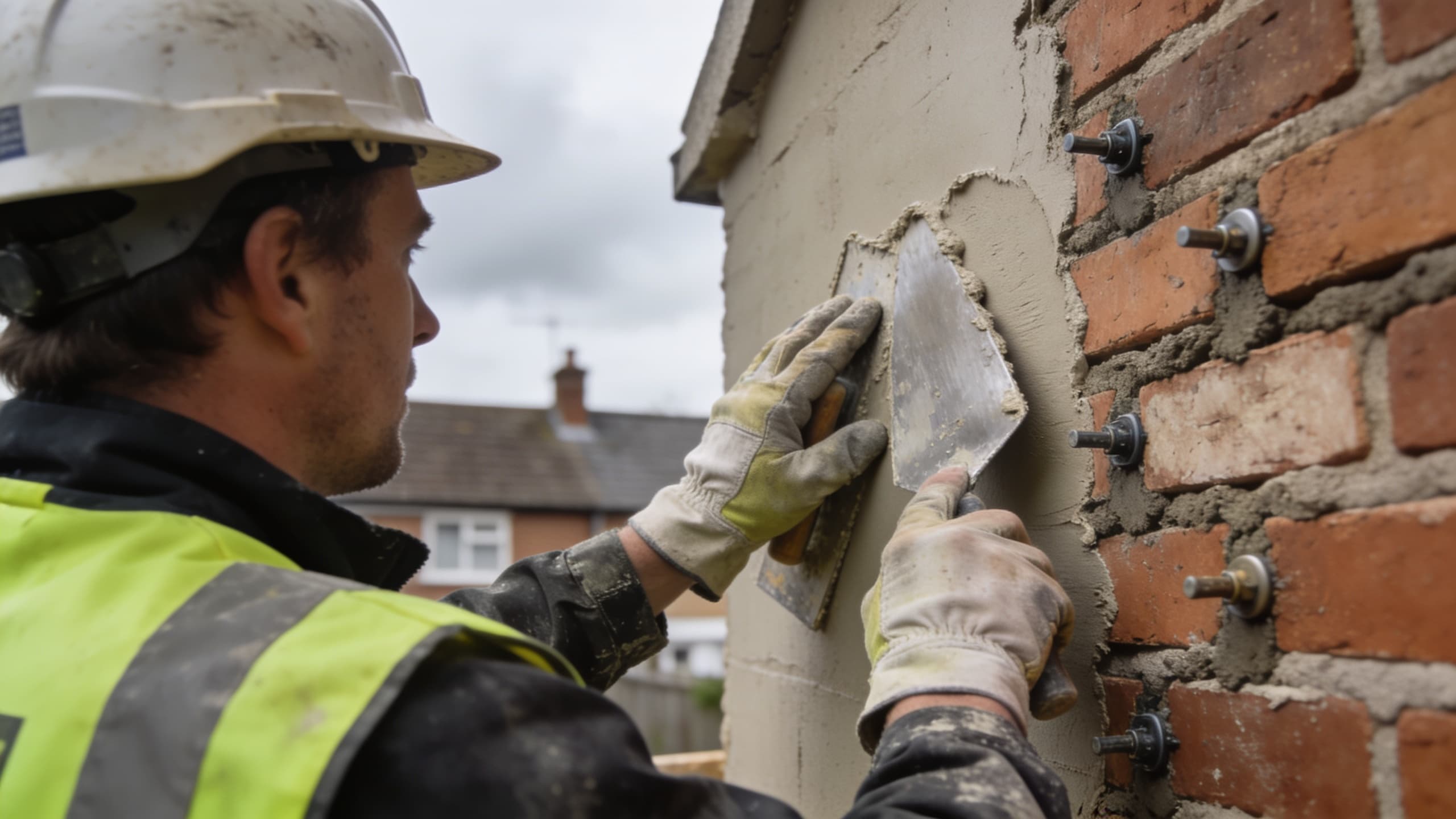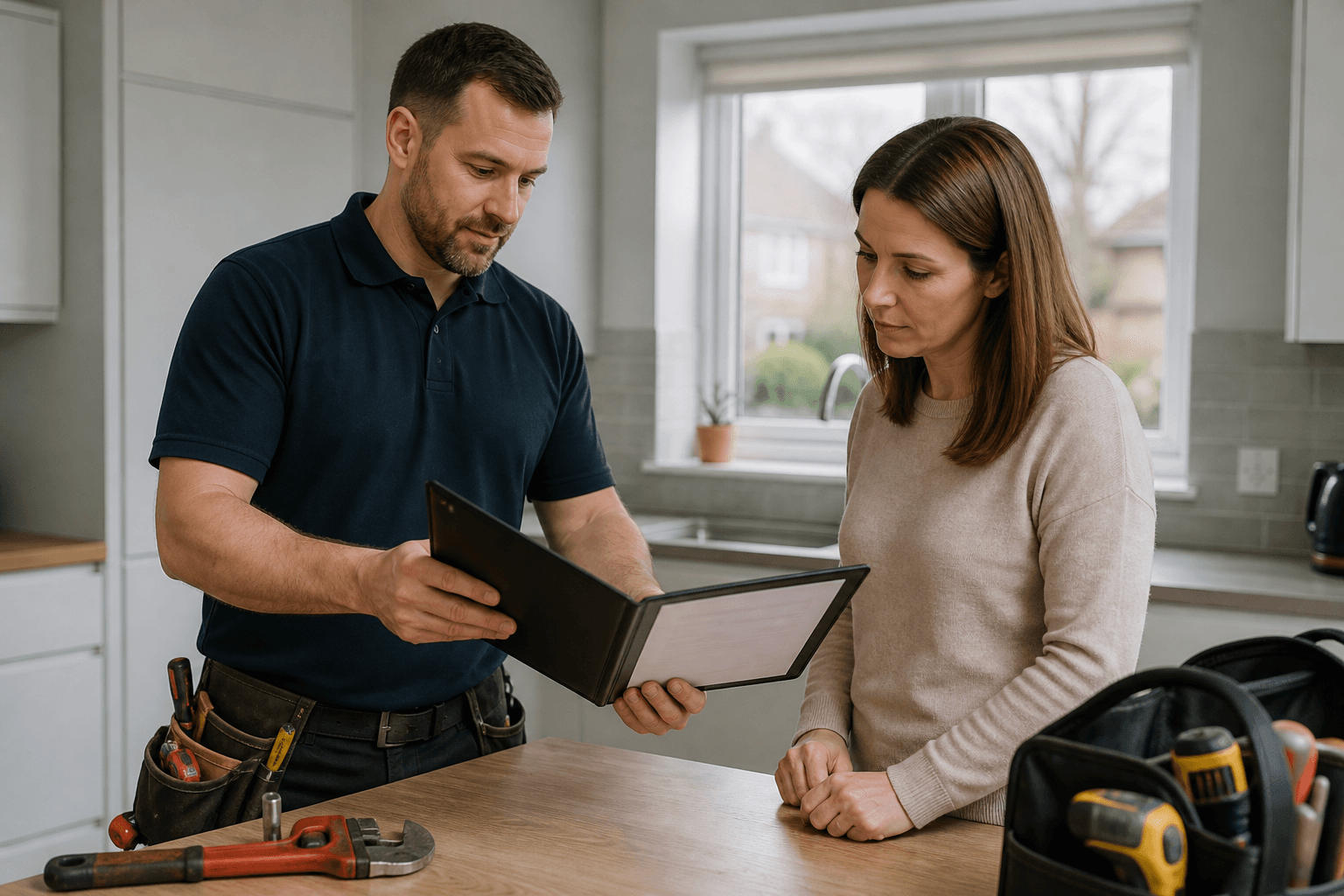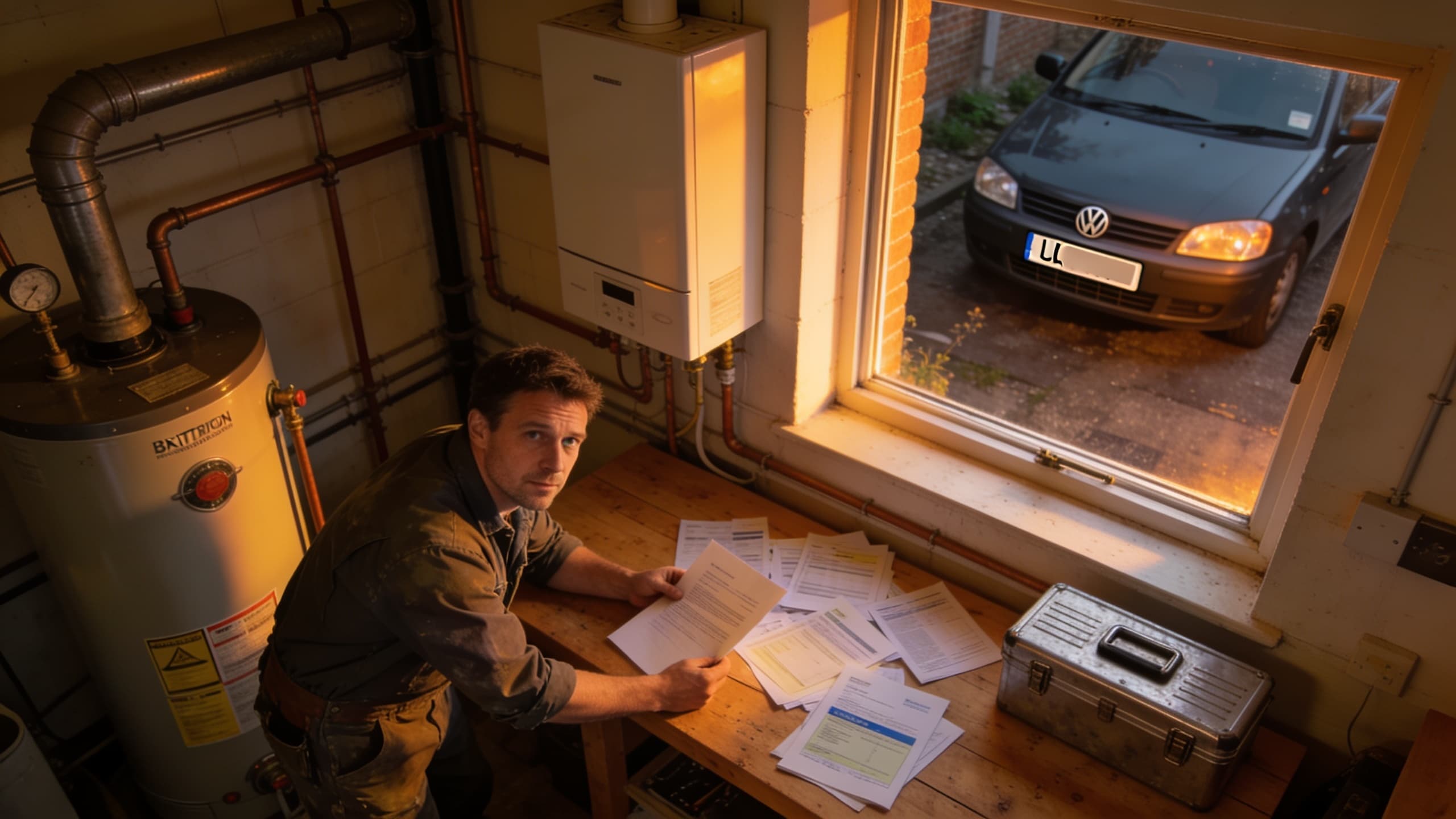

A tradesperson usually cannot charge more than the price on a quote. Citizens Advice says the trader can't charge more than they've quoted unless there's a good reason.
Quote or estimate: why the word matters
The wording on your paperwork decides how firm the price is. Citizens Advice says a quote (sometimes called a 'quotation' or 'fixed estimate') is a promise to do work at an agreed price. An estimate is the trader's best guess as to how much the work will cost.
Before you accept anything, check which one you have been given. If you are unsure, check your paperwork . Citizens Advice also advises that you get a quote - not an estimate. A quote is a fixed price, so you'll know what you're getting and how much it will cost. An estimate is just a rough guess, so you might end up paying more.
When a trader can legally charge more
A fixed quote is not a blank cheque for the trader, but there are recognised exceptions. The trader can charge more only if you ask for extra work that is not in the quote, if they tell you extra work is needed and you agree to pay for it, or if they made a genuine mistake when writing down or calculating the price. Citizens Advice also says that so long as it wasn't obvious to you when you got the quote, you have a legal right to get the work done for the price in the quote.
Citizens Advice says a trader can't charge more if their own costs have gone up since the quote was given.
What a proper quote should include
A quote that protects you will show more than a single figure. Citizens Advice lists the points it should cover:
- a fixed total price, not a daily rate
- a breakdown of all the work to be done and the materials needed
- separate costs for each material and part of the work
- how long the price is valid for
- whether the price includes VAT
- when the price can go up, for example, only if you agree to extra work
Citizens Advice warns that a daily rate carries a risk, because there's a risk the trader might string out the work to get more money. If a trader quotes a day rate, ask them to put in writing when they need your go-ahead to work more days .
Practical checklist before you agree a price
- Ask for a fixed quote and confirm the word "quote" or "estimate" on the document.
- Check that the quote lists labour and materials separately, with a validity period and VAT status.
- Agree in writing how any extra work will be priced and approved before it starts.
- Keep copies of all paperwork, messages and photos, and note dates.
- If a gas appliance is involved, check the engineer on the official Gas Safe Register before work begins, since gas work must be carried out by a Gas Safe registered engineer.
If you are charged more than agreed
If the invoice is higher than your quote and you did not agree to extra work, first raise it with the trader in writing. Citizens Advice advises that if you have an estimate rather than a quote, you can ask another trader for an estimate for the same work . For a dispute you cannot settle, you can contact the Citizens Advice consumer service. If the trader has done anything dangerous or unsafe, it's really important that you report the trader to Trading Standards .
Each quote you collect should follow the points above, so you are comparing like with like.