For most UK homeowners tackling a room or two, hiring a wallpaper steamer is the practical choice. A steamer softens adhesive on vinyl, woodchip, and multi-layered wall coverings that chemical strippers struggle with, and it does so without damaging the plaster beneath. Whether it is worth the hire fee depends on the size of the job, the age of the property, and how well the machine is used. This guide covers everything needed to make that decision, use the equipment safely, and avoid the pitfalls that catch people out.
What a Wallpaper Steamer Actually Does
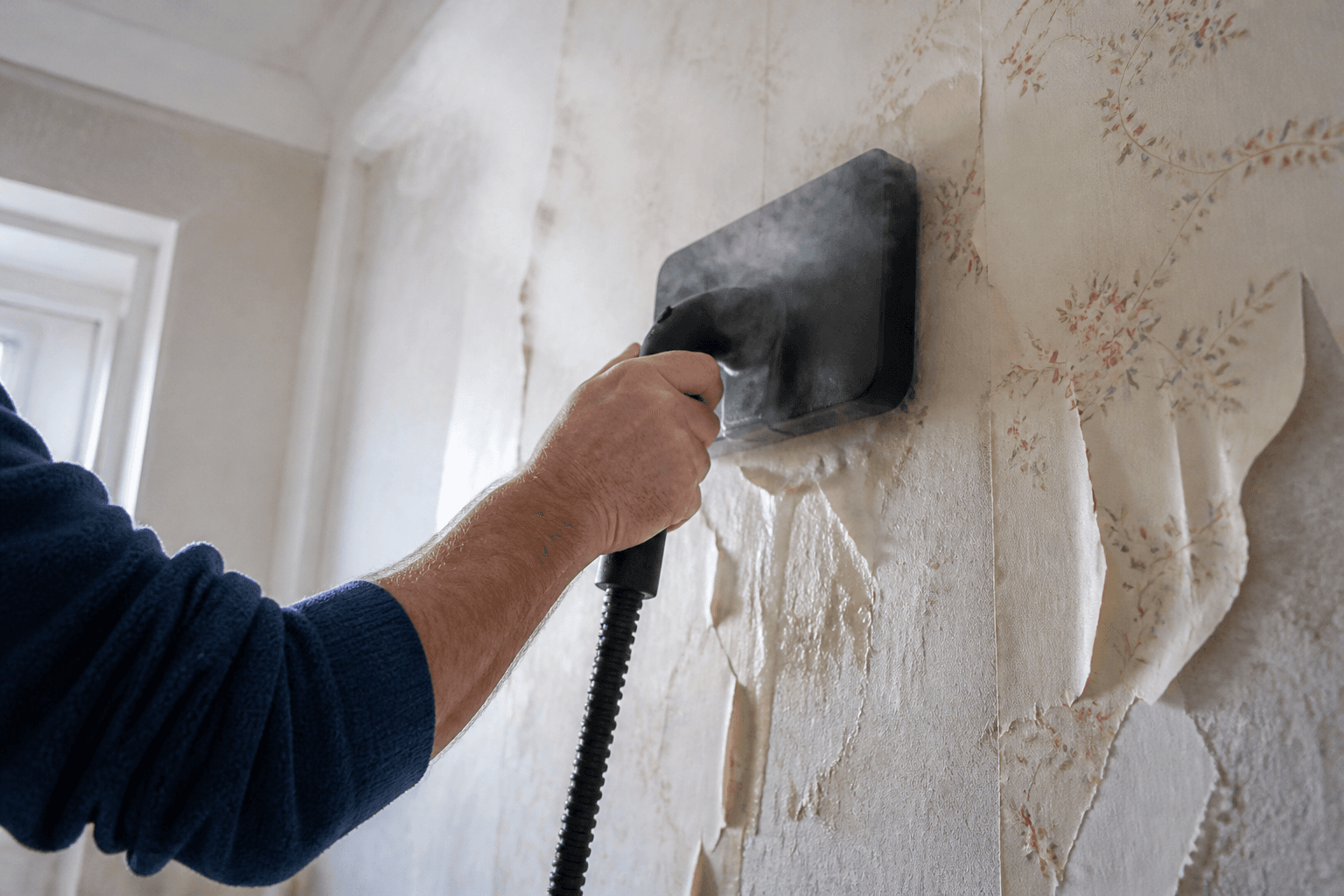
A wallpaper steamer works by heating water in a tank to produce steam, which is delivered through a hose to a flat plate held against the wall. The steam causes the paper and adhesive to soften so it can be removed with a scraper easily. Steamers can be used for removing all types of wallpaper, plus vinyl, woodchip, and other decorative wallcoverings without damaging the plaster underneath.
The machine is ready to use in as little as 10 minutes after filling up, and a large tank can provide up to 90 minutes of continuous stripping before refilling. That run time makes it well suited to working a room methodically, steaming one section while scraping the last.
The alternative - chemical stripper or hot water with a wetting agent - works well on ordinary lining paper and single-layer paper on sound plasterboard, but it is slower per square metre and can be ineffective on vinyl-faced or multi-layered papers. For those harder jobs, a steamer is genuinely the better tool. For a single thin layer of lining paper on a dry wall, chemical stripper may be all that is needed, and a hire is not justified. Browse the full range of options on tool hire at GetBrent to compare what is available locally.
Electrical Safety: What UK Law Requires
A wallpaper steamer introduces two hazards into the same space: live electrical equipment and significant amounts of moisture. Both must be managed with care.
The Electricity at Work Regulations 1989 set out that electrical equipment which may reasonably foreseeably be exposed to the effects of wet, dirty, dusty or corrosive conditions must be constructed or protected to guard against those conditions. Steaming creates exactly those conditions, so the equipment and the way it is set up must be appropriate.
A Residual Current Device (RCD) can reduce the likelihood of an electrical injury, but a shock can still cause very serious or fatal injuries, so an RCD should only be used as a secondary means of reducing the risk. When using a wallpaper steamer, gloves (PVC, cotton, or rigger), steel-toe boots, and safety goggles should be worn, and an RCD is strongly recommended when using electrical equipment in damp conditions.
If an electrical socket outlet incorporating an RCD, or a plug-in RCD adaptor, is used it should be tested by the user prior to use by operating the test button.
The HSE also advises that using electrical equipment in wet or damp conditions increases hazards significantly. If the environment is damp, it may be appropriate to use equipment that operates at a reduced voltage, such as that supplied by a transformer with an output centre-tapped to earth - these are used in the construction industry and are readily available from hire shops. Confirm with the hire company what voltage the machine operates at and what protective equipment they recommend for domestic use.
Keep the machine on the floor rather than on a step or surface where it can be knocked over, and never run it on a long, coiled extension lead - a high-wattage machine on a coiled reel generates heat in the cable.
The Asbestos Risk in Older Properties
This is the most important section for anyone working on a property built before 2000, and it must not be skipped.
Textured coatings applied before 2000 may contain asbestos, and the Health and Safety Executive advises treating any pre-2000 textured coating as suspect until a laboratory sample proves otherwise.
Steaming is equally capable of disturbing the coating and releasing fibres. The same caution applies to any wallpaper bonded directly to a textured surface.
If planning refurbishment work on a property with old textured ceilings, it is essential to have a full asbestos survey carried out by a qualified surveyor.
If the property was built after 2000, or the walls have been confirmed asbestos-free by a UKAS-accredited laboratory, proceed normally. If there is any doubt at all, stop, have the material tested, and act on the result.
How to Get the Best From a Hired Steamer
A steamer is a simple machine, but a few practical steps make a significant difference to how smoothly the job goes.
- Score the paper first. A wallpaper scorer or spiked roller perforates the surface layer so steam can penetrate the adhesive behind it. This is especially important with vinyl-faced papers, where the face resists moisture.
- Work in sections. Hold the plate to the wall for 20 to 30 seconds, then move it to the next section while immediately scraping the softened area just steamed. Working slightly ahead lets the steam do its job before the wall cools.
- Protect the floor and furniture. Furniture, fittings, and floors should be covered to protect them from the moisture.
- Ventilate the room. It is advisable to keep windows open in the room to allow proper ventilation.
- Read the manual before starting. Before using the steam wallpaper stripper, read the manual carefully and make yourself aware of the location of the power switch so you can quickly turn the machine off if necessary.
- Never leave it unattended. Do not leave the machine running with a full tank and no one present. Boiling dry can damage the element.
- Let it cool before moving or refilling. Switch off and let pressure drop fully before opening the filler cap. Steam under pressure will escape suddenly if the cap is removed too soon.
- Return it cool and drained. Allow the steamer to cool completely before draining and returning it to the hire depot.
Choosing the Right Hire Period and Checking What Is Included
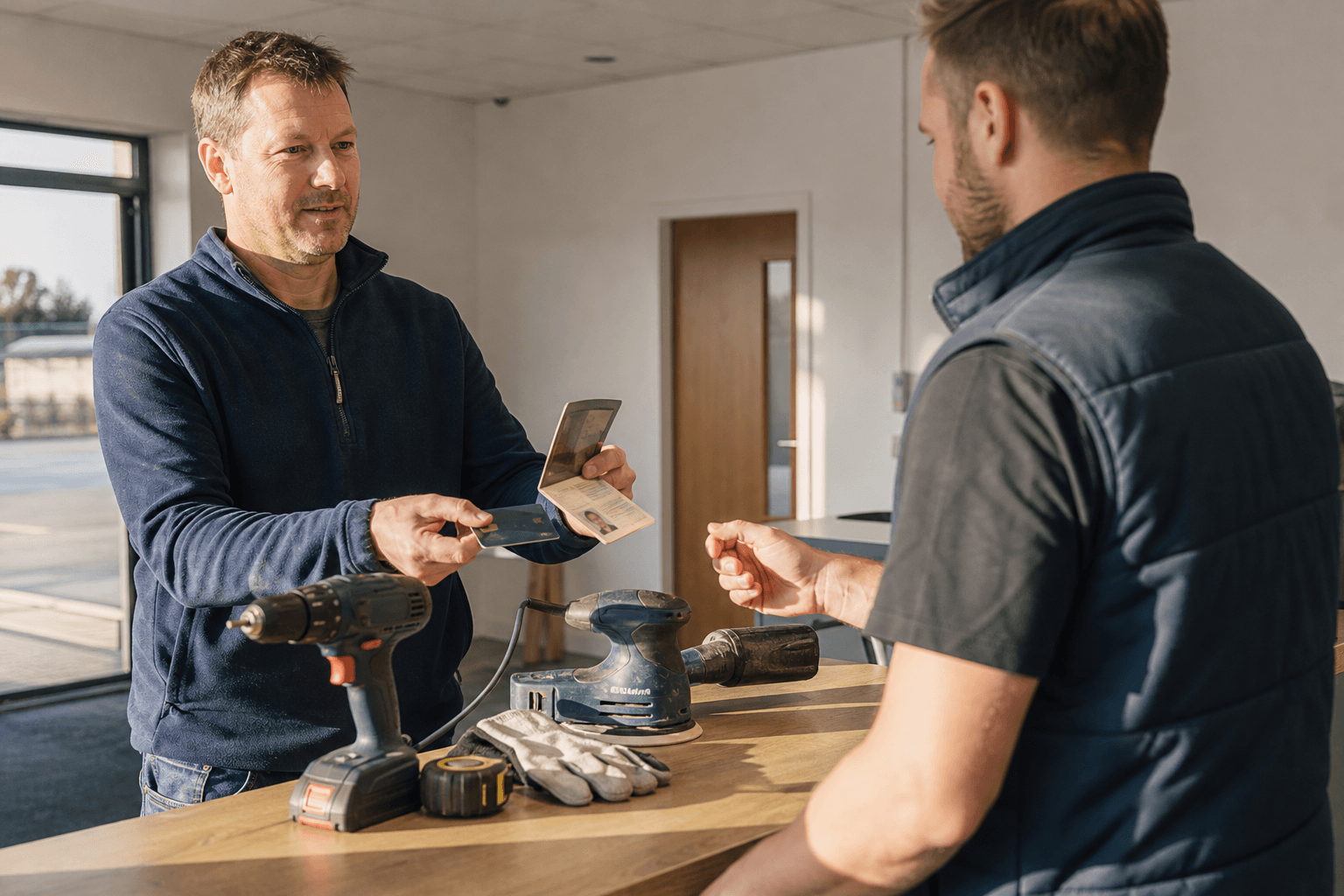
Wallpaper steamers are available from local hire depots, typically on a daily or weekly basis. Hire rates vary by depot and by the specification of the machine, so confirm the figure with the company before booking rather than relying on any estimate. The factors that drive the overall cost are the hire period, whether delivery and collection are included, whether damage waiver cover is offered, and whether PPE such as goggles and gloves is supplied separately or bundled in.
For a single average bedroom, one day is usually sufficient if preparation work is done the evening before. A full house could easily take a week. It is better to extend the hire by a day than to rush and leave the walls in a poor state for decorating.
When collecting the machine, check that the steam hose is undamaged, the plate is clean and flat, and the tank shows no signs of scale build-up that would reduce efficiency. Ask the depot whether the machine has been PAT tested, as the Electricity at Work Regulations 1989 require that electrical systems are maintained so as to prevent danger, and regular inspection and testing by a competent person is a recognised way to help demonstrate that compliance.
For readers in the capital, local options for tool hire in London include depots across the city. Those in the north of the city can find tool hire in Enfield or tool hire in Harrow for convenient collection and return.
GetBrent makes it straightforward to find hire companies near you. Search the marketplace to compare local depots, check availability, and confirm hire terms directly with the supplier before you book.