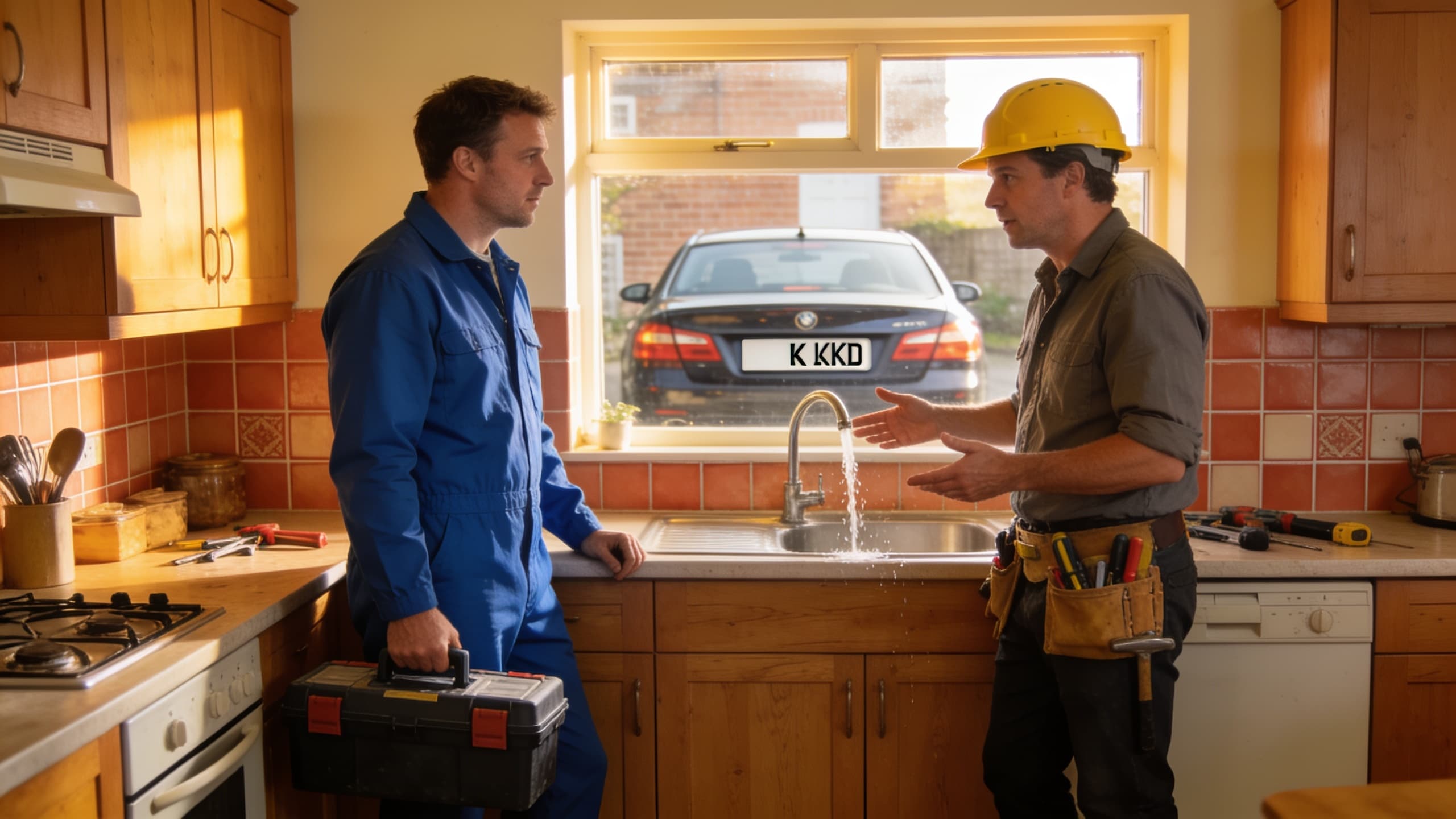
A handyman suits small, mixed and non-regulated jobs around the home, while a certified tradesman is required whenever the work is legally regulated - such as gas work, electrical installation or structural alterations. Choosing the wrong type of worker can cost you more money, invalidate your insurance and, in serious cases, create a safety or legal problem.
What a Handyman Actually Does
A handyman is a generalist. They cover a wide range of repair, maintenance and improvement tasks across several trade areas, but without the depth of formal certification that a specialist tradesperson holds. Think of it as breadth versus depth: a handyman goes broad across many areas at an everyday maintenance level.
Typical handyman jobs include:
- Assembling flat-pack furniture
- Hanging pictures, mirrors, shelves and curtain poles
- Minor carpentry - fitting skirting, doors and architraves
- Painting and decorating
- General garden maintenance and fence repairs
- Replacing tap washers and toilet seats
- Patching and making good plasterwork
- Fitting grab rails or minor accessibility aids
If you have a scattered list of small jobs across different areas of the house, a handyman is almost always the right choice. The work gets done in a single visit, and you are not paying specialist call-out rates for straightforward tasks.
What a Tradesman Does - and When You Must Use One
A tradesman is a specialist who has completed a formal apprenticeship or vocational qualification in one trade: plumbing, electrical installation, bricklaying, plastering, gas engineering and so on. For certain types of work, using a certified specialist is not optional - it is a legal requirement.
The key regulated areas in the UK are:
- Gas work: By law, any person working on a gas appliance, boiler or pipework must be registered with the Gas Safe Register. This is a legal requirement, not a preference. Never allow an unregistered person to touch gas fittings.
- Electrical installation: Notifiable electrical work - adding a new circuit, work in a bathroom or kitchen, or a consumer unit replacement - must be carried out by a competent person registered under a Part P scheme recognised by the government, or the work must be notified to the local authority building control department for inspection. The HSE provides guidance on electrical safety obligations for work in domestic and commercial settings.
- Structural work: Alterations that affect a load-bearing wall or the structure of a building require building regulations approval from the local authority. This is separate from planning permission.
- Working at height: The HSE's Work at Height Regulations apply to any contractor carrying out work on ladders, scaffolding or roofs. Any firm you hire for roof or gutter work should be able to show they comply with these requirements.
A practical rule of thumb: if a job involves gas, mains electricity beyond like-for-like replacement, or anything structural, you need a certified tradesman. Everything else is likely handyman territory.
How to Decide Which One You Need
Before you pick up the phone, ask yourself these four questions:
- Does the job involve gas? If yes, Gas Safe registered engineer only.
- Does the job involve electrical installation or alteration? If yes, check whether it is notifiable under Part P. If it is, use a Part P registered electrician or notify building control.
- Does the job affect the structure of the building? If yes, you need a specialist and probably building regulations approval.
- Is the job a single, complex task needing deep expertise? If yes, hire the specialist. If it is a collection of smaller, varied tasks, a handyman is likely to be faster and more cost-effective.
If you are still unsure, describe the job to the firm when you request a quote. A reputable tradesman or handyman will tell you honestly if the work falls outside their competence.
Checking Credentials Before You Book
Regardless of whether you are hiring a handyman or a specialist tradesman, there are straightforward checks worth making before anyone starts work.
- Ask for proof of public liability insurance. This protects your property if something goes wrong.
- For gas work, check the engineer's Gas Safe Register card and verify it on the Gas Safe Register website.
- For electrical work, ask which government-approved Part P competent person scheme the electrician belongs to.
- Look for membership of a recognised trade body. TrustMark is a government-endorsed quality scheme; firms that carry the TrustMark logo have been checked and must meet a published code of practice.
- Ask whether they can provide references from recent local jobs, and follow them up.
- Get at least two written quotes and confirm what is and is not included before agreeing to anything.
Be cautious of anyone who knocks on the door offering work, wants a large upfront payment in cash, or cannot supply a business address and insurance documents. Trading Standards bodies across the UK log complaints about rogue traders, and many councils run Buy With Confidence or similar local approval schemes worth checking before you hire.
Finding the Right Person Near You
Once you know what type of worker you need, the next step is finding a reliable local firm and comparing quotes. You can browse local trade services across the UK to see handymen, specialist tradespeople, cleaners and landscapers covering your area. If you are based in the capital, trade services in London lists firms by specialism so you can contact them directly for a quote. For those in the south-east, trade services in Bromley covers the local area with firms you can approach and compare.
GetBrent makes it straightforward to find and compare local handymen, specialist tradespeople, cleaners and landscapers near you. Search by location, browse firm profiles and ask for a quote directly - all in one place, with no obligation to book until you are satisfied you have found the right person for the job.