Hiring a van with a tail lift involves two checks before you take the keys: whether the van's weight sits within your licence entitlement, and whether the tail lift is treated and used as lifting equipment. Both matter whether you are moving furniture, delivering stock or carrying tools to a site, and both are easy to overlook when the booking focuses on the van itself.
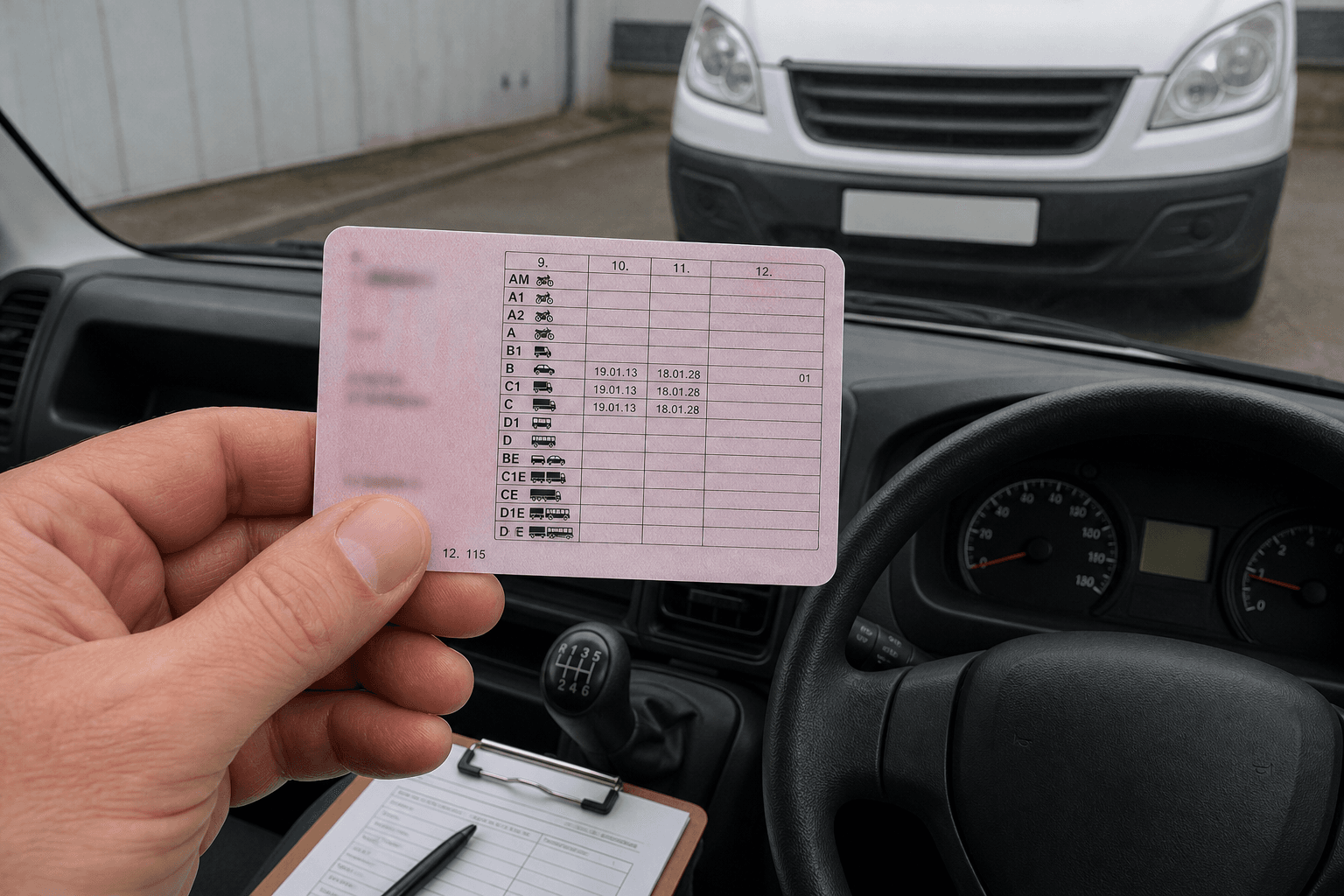
Check the van's weight against your licence
The figure to check is the design gross weight, which you can find on your van's vehicle identification number (VIN) plate .
GOV.UK's guidance on driving a van covers the weight limits that apply, along with rules on loading, drivers' hours and maintenance. It is the right starting point if you are unsure whether your licence covers the vehicle you have been offered.
Weight also matters if you plan to tow. Where the combined van and trailer weight is above 3.5 tonnes, assimilated rules apply, although there are some exemptions. Ask the hire company to confirm the combined figure for your exact set-up before you leave the depot.
Treat the tail lift as lifting equipment
HSE describes lifting equipment as work equipment used for lifting and lowering loads , and a tail lift fits that description.
The scope of the regulations is tied to use. LOLER applies only to lifting equipment that is used at work. If the tail lift is used at work, LOLER applies to it. A one-off private move may sit differently, so check with the hire company if you are unsure which rules the lift is operating under.
HSE also explains how the wider framework fits together. In most cases, lifting equipment is also work equipment, so the Provision and Use of Work Equipment Regulations (PUWER) apply as well, including the inspection and maintenance requirements. This means a tail lift can be subject to two sets of duties at once.
On the operation itself, a competent individual is expected to plan each lifting operation, and the work is expected to be overseen appropriately so it runs without danger , according to HSE's overview of LOLER. For a hirer, that translates into knowing who is responsible for operating the lift on the day and making sure they have been shown how to do it.
HSE's open learning guidance on LOLER goes further into the practical detail. It covers examination and inspection, reports, defects and information keeping. Those are the areas where a hire company's paperwork is worth checking before you collect.
Pre-collection checklist
Use the following checklist at the depot. It reflects good practice rather than a complete legal list, so it should sit alongside the official guidance above.
- Confirm the design gross weight on the VIN plate and check it against your licence entitlement.
- Ask the hire company for the tail lift's most recent thorough examination report and the date the next one is due.
- Ask who will operate the lift, and whether they have been shown how to use it safely.
- Walk round the lift and check the platform, controls, hoses and fixings for damage, wear or leaks.
- Cycle the lift empty before loading, and keep hands and feet clear of the platform edge while it moves.
- Load within the capacity stated for the lift and secure goods before you drive away.
- Report any fault straight away, and do not use the lift until someone competent has examined it.
What drives the cost
This article does not publish hire rates or fees, because they vary by depot and by company, and any figure quoted without checking would be unreliable. What you should understand is the set of factors that move the price. These typically include the size and weight class of the van, the length of hire, the specification of the tail lift, insurance and excess terms, the collection and drop-off locations, the mileage or fuel policy, and how busy the period is.
Confirm the figure directly with the hire company or, where a council is involved, with the council itself. Ask for the total cost including any extras you may need, so there are no surprises at the counter.
Use it to shortlist operators with tail lift vans near you, then ask each one for its examination record, its weight figures and a full written price before you commit.