Whether you can hire a van depends on two separate sets of rules. The first is the weight of the van and the categories on your driving licence, which are set out in official guidance and regulations. The second is the age and driver conditions that each hire firm applies to its own fleet. The licence rules set the legal floor, so start there before you look at any booking page.
Licence categories and van weight
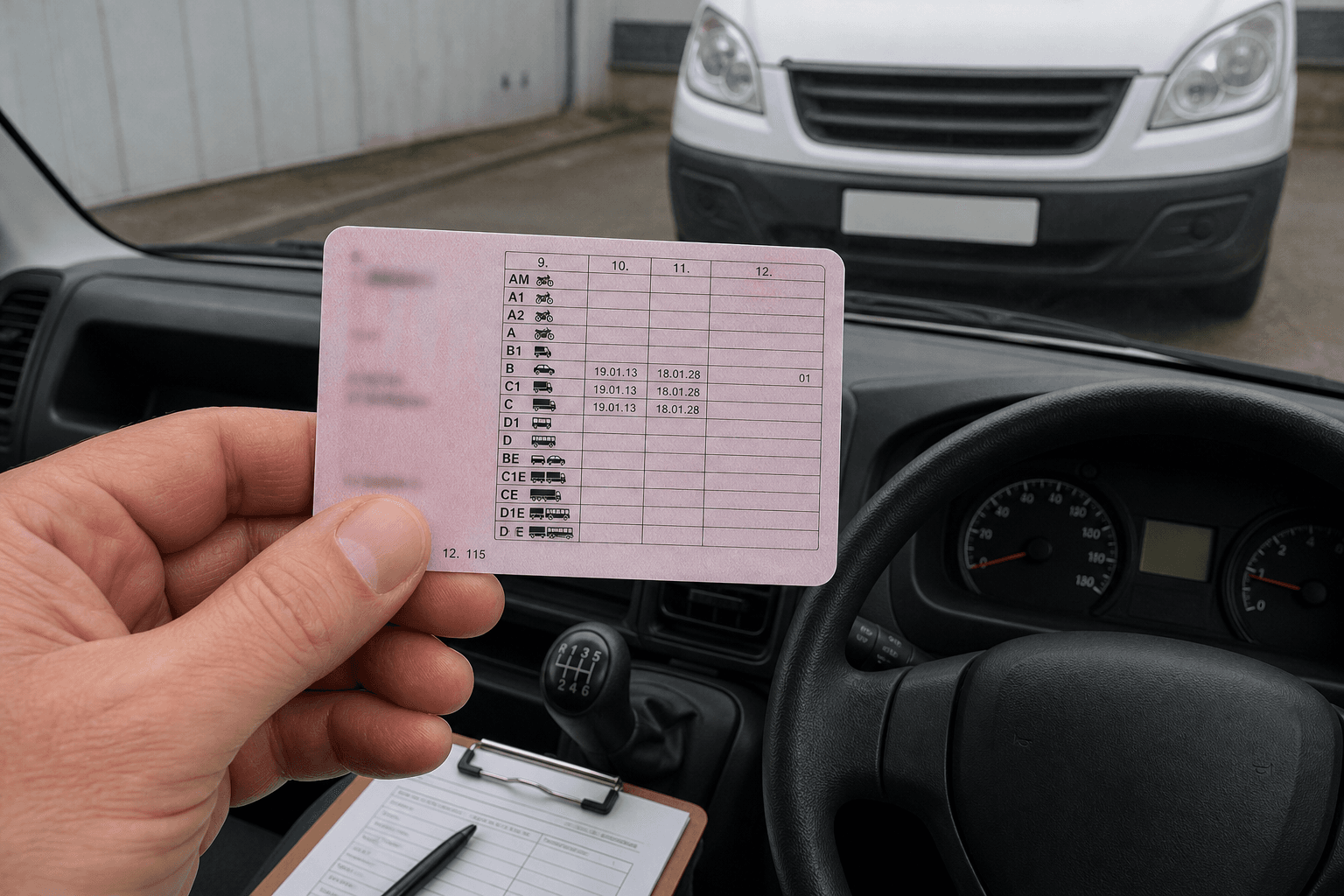
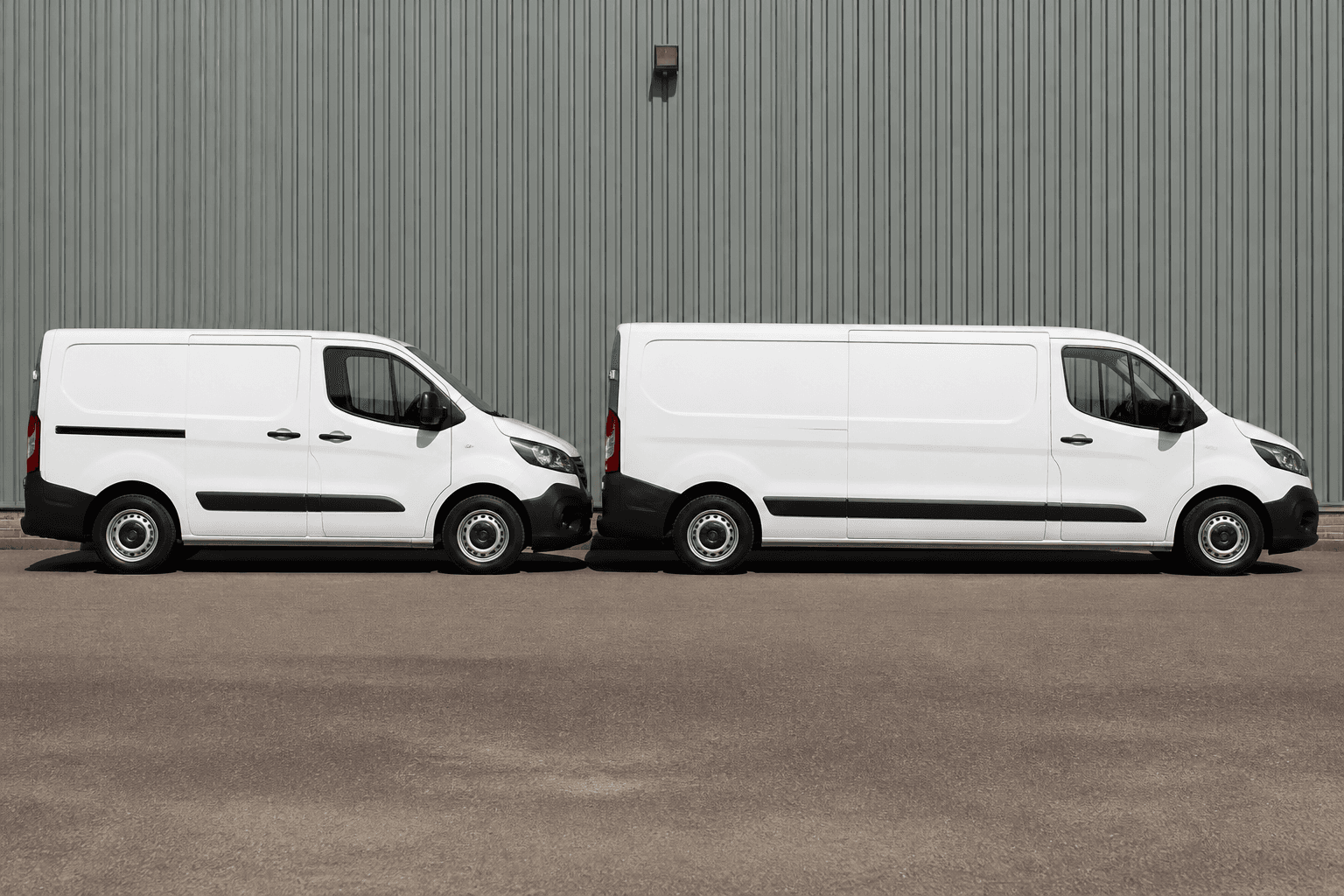
Licence categories are the starting point. GOV.UK notes that the categories on a licence issued before 2013 may have changed , so compare what your licence shows with the official table rather than relying on memory. The same table places vehicles between 3,500kg and 7,500kg carrying no more than 8 passengers plus driver, with trailer up to 750kg in category C1. A heavier trailer moves you into C1E, where the combined weight of vehicle and trailer cannot be over 12,000kg.
The minimum age for category C1 is 18, as shown in GOV.UK guidance on large vehicles you can drive using your car or lorry licence . The legislation that sets out these categories, The Motor Vehicles (Driving Licences) Regulations 1999 , contains separate parts for Category B and Category C.
Your test date and the 1997 rule
The date your licence was issued affects which categories it shows. The GOV.UK table maps the categories on licences issued between June 1990 and December 1996 to the current categories, so check the entries against your own licence. Drivers who passed later should not assume they hold C1. Check the categories printed on the licence itself before you book a van above 3,500kg, and do not rely on a hire firm's description of the vehicle.
Age limits and hire firm conditions
Licence categories set legal entitlements, but they do not decide the age at which a hire firm will rent you a van. Each company sets its own driver conditions, and these can cover age, how long you have held your licence and the size of van a younger driver may take. Those conditions sit in the booking terms, so read them before you pay a deposit rather than after. Treat any age figure you see on a comparison site as something to confirm with the company directly.
What drives the cost
This article does not publish prices, because hire charges vary by depot and by company. The main factors that drive cost are the van's size and weight category, the length of the hire, any additional or younger driver conditions, and the insurance and deposit terms set by the firm. Where a council is involved in a job, confirm its charges with the council directly. Always confirm the figure with the company before you commit.
Checklist before you book
- Confirm the van's weight with the hire firm in writing, and check whether it is above 3,500kg.
- Look at the categories on your own licence, and note the date it was issued.
- If the van is in the C1 range, confirm that your entitlement covers it before you collect the keys.
- Ask the company for its age and licence-held conditions, including any charges for younger or additional drivers.
- If you plan to carry passengers rather than goods, check that your entitlement covers passenger-carrying vehicles such as category D1, which the GOV.UK table lists for vehicles with up to 16 passenger seats plus driver.
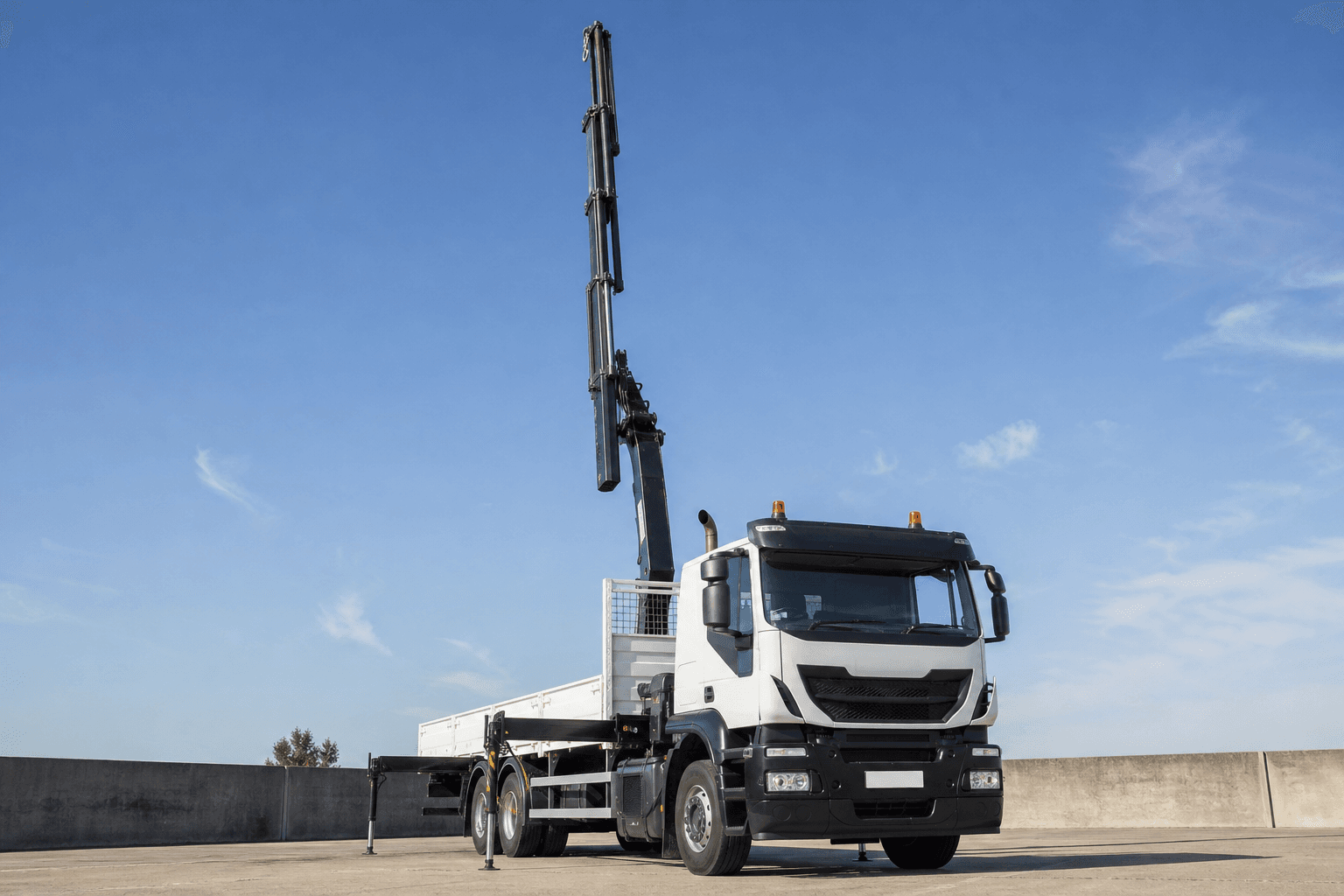
If you need a larger or specialist vehicle, look at specialist vehicle hire options. If you are based in the capital, compare van hire in London, or check van hire in Enfield if you are in north London.
To find local hire companies that suit your licence and your van needs, search GetBrent, the UK marketplace for hiring vans, trailers, tools, plant and storage, and for finding removals, clearance and trades firms. Confirm the terms and any charges directly with each company before you book.