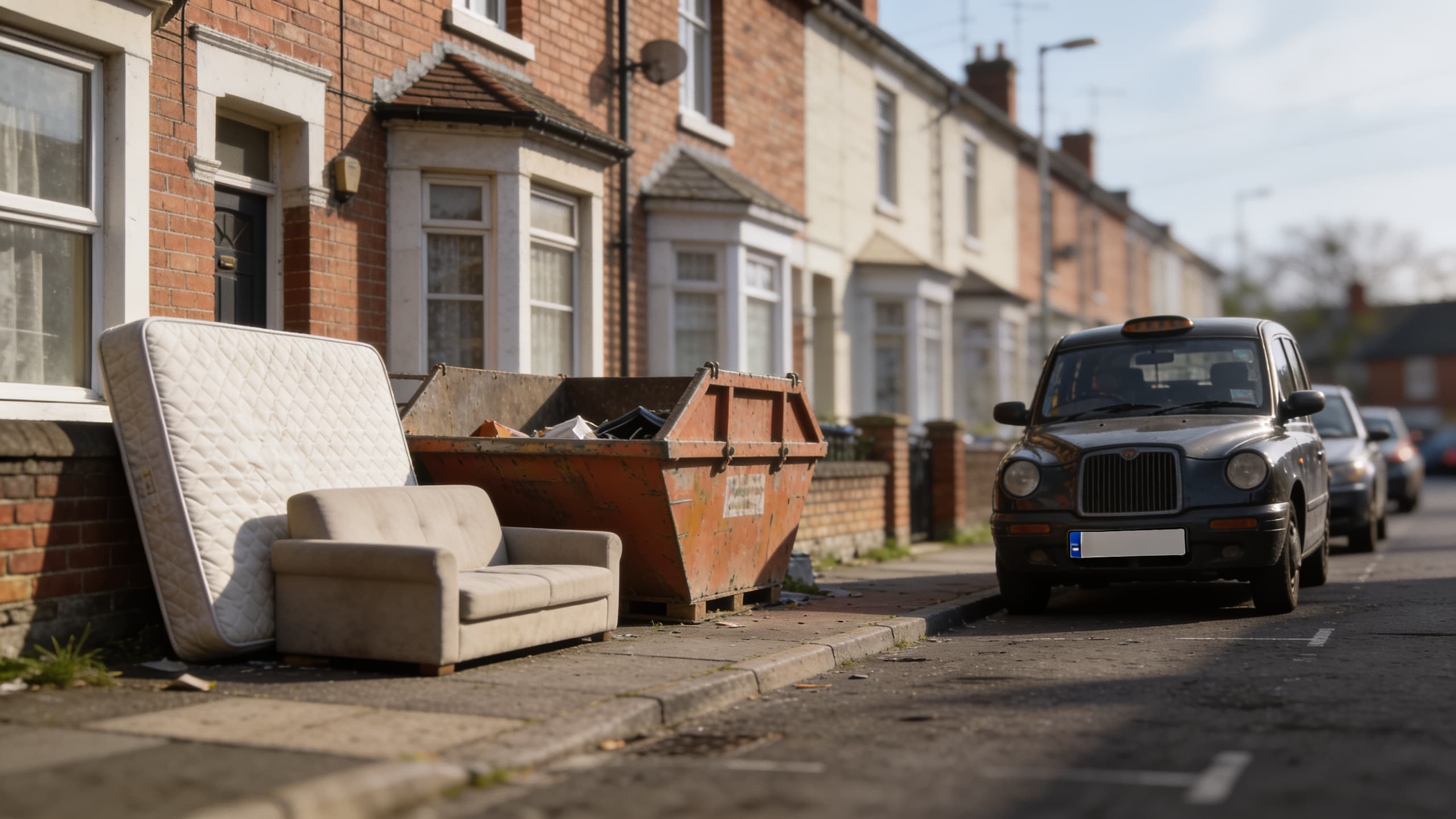
Mattresses and sofas cannot be placed in standard household waste bins and require proper disposal through authorised routes. The Environment Agency regulates waste disposal in England, whilst equivalent bodies oversee Scotland, Wales and Northern Ireland. Your local council is responsible for arranging bulky waste collection or directing residents to approved disposal facilities. Understanding the available options ensures compliance with environmental law and avoids the serious penalties associated with fly-tipping.
Council Bulky Waste Collections
Most UK councils offer a bulky waste collection service, typically at no charge or for a modest fee set locally. This is often the simplest option for householders disposing of one or two items. Contact your local council's waste management team to book a collection appointment. They will usually require advance notice of between 5 and 10 working days and may ask you to place items in an accessible location such as the front of your property or kerb. Some councils collect up to three items per appointment, whilst others limit collections to one large item; confirm the terms before booking.
Councils do not always cover all postcodes equally. Properties in rural areas or those with difficult access may be declined, in which case alternative arrangements will be offered. If your council charges for bulky waste collection, the fee depends on the number and type of items, so confirm the exact cost before you commit.
Household Waste Recycling Centres
Recycling centres accept mattresses, sofas and other bulky household items free of charge in most cases. These facilities are operated by councils and accept items directly from members of the public during opening hours. Take the item to your nearest centre in your vehicle or in a hired van or trailer. Many sites have dedicated bays for different waste streams, and staff can advise where to unload your items safely.
Check your council's website for location, opening hours and current access rules. Some centres operate booking systems during busy periods. If you are hiring a vehicle to transport the items, clearance and disposal equipment hire is available from local hire firms listed in your area.
Skip Hire for Larger Clearances
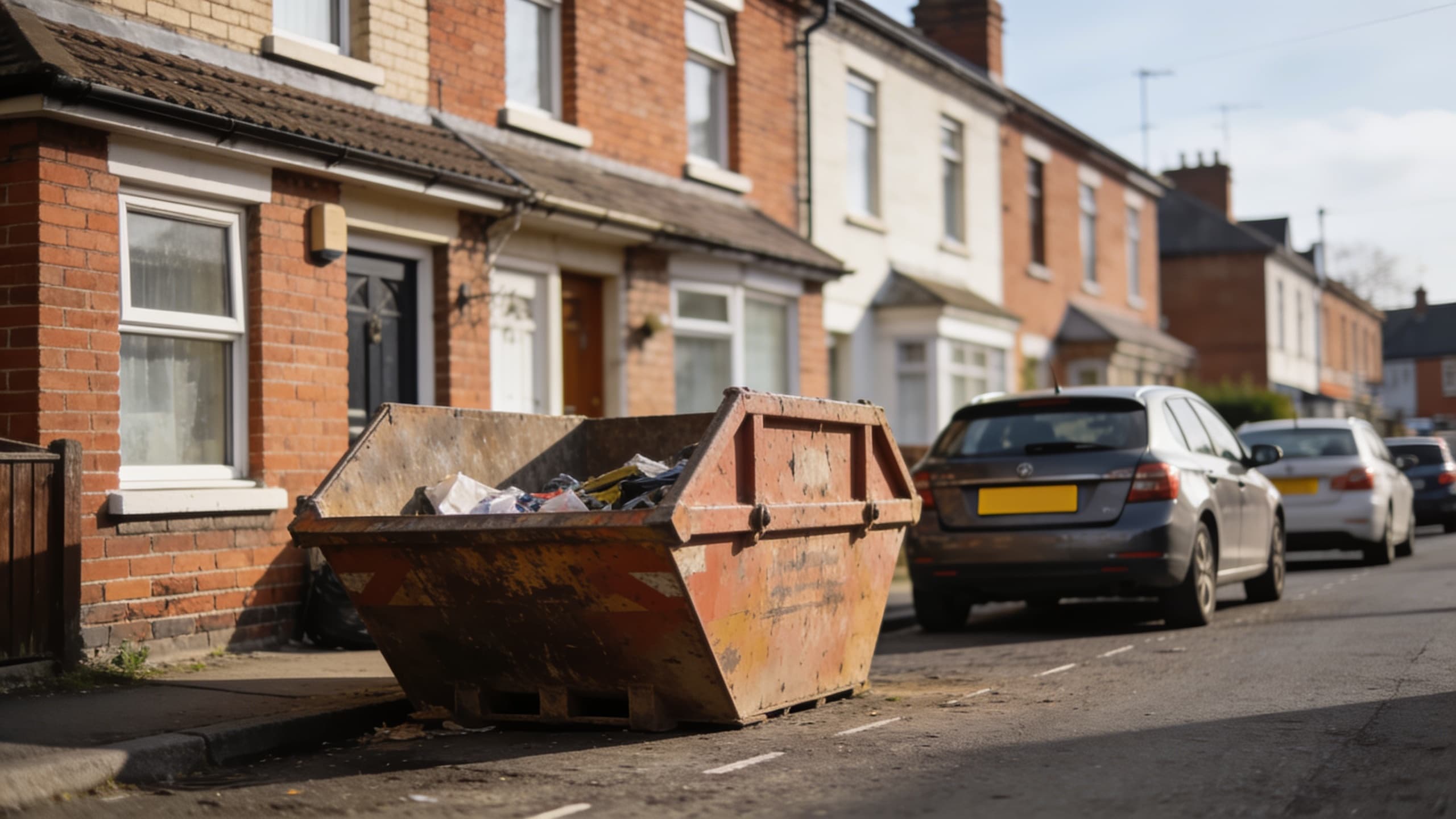
A skip is appropriate if you are clearing multiple items, renovating a property or managing a house clearance. Skip hire companies deliver a container to your address, you load your items, and the company collects and disposes of the waste. Skip sizes range from small 2-cubic-yard units suitable for single rooms to 40-cubic-yard roll-on roll-off containers for major projects. Confirm what types of waste the skip operator accepts before booking; some will not take certain materials such as asbestos, electrical goods or liquids.
The cost of skip hire varies by location, size and hire duration. Factors that affect pricing include local council permits (required if a skip sits on a public road), distance to the disposal site, and current waste processing charges. Always obtain a written quote from the hire company before confirming your booking. If you are unsure whether a skip is the right choice, speak to the hire company about what your project requires.
Licensed Waste Contractors
A licensed waste management company can be hired to remove bulas and sofas on your behalf. These firms collect items from your home, sort them for reuse or recycling, and dispose of unusable parts responsibly. Licensed contractors are registered with the Environment Agency and subject to audit and compliance checks, ensuring waste is handled lawfully. This option is more costly than council collections but provides flexibility if booking a council service is not possible or if your council does not provide the service in your area.
To find a licensed contractor, search the Environment Agency's public register online. Ask for proof of registration and check that their quote covers all collection, transport and disposal costs.
Reuse and Donation Options
Before choosing disposal, consider whether the mattress or sofa is still fit for use. Charities such as British Heart Foundation, Salvation Army and local furniture banks accept donations of clean, undamaged items in good working order. Some will collect larger items from your home. Reusing items diverts them from waste streams and supports community services. Check directly with your local charity or furniture bank to confirm what they currently accept.
Online marketplaces and community groups also accept free offers. Social media groups and classified sites allow you to advertise items for collection, though you remain responsible for checking the recipient intends legitimate use.
What to Avoid
Fly-tipping - dumping waste on land without permission - is a criminal offence under environmental protection law. Penalties include unlimited fines, criminal records and custodial sentences. Leaving items at the roadside, in parks or on other people's land is illegal. Using an unregistered waste carrier is also an offence. Always use authorised disposal routes only.
Practical Checklist
- Contact your local council waste team to ask about bulky waste collections and recycling centres
- Check opening hours and booking requirements for your nearest household waste recycling centre
- If the item is reusable, contact local charities and furniture banks to enquire about donation and collection
- Obtain written quotes from skip hire firms or waste contractors, including all charges
- Confirm that skip hire requires a permit from your council if it will sit on a public road
- Check the Environment Agency register if using a licensed waste contractor
- Do not attempt to dispose of items illegally or use unregistered contractors
GetBrent helps you find local rubbish removal and skip hire services across the UK. Whether you need waste removal in Wembley, rubbish disposal in Sheffield or services in your own area, use the directory to compare licensed hire firms and arrange reliable, lawful disposal of your bulky household items.