Jet washing a driveway can be tackled as a DIY job with hired equipment, contracted to a professional cleaner, or a combination of both. The choice depends on driveway size, soil type, budget, and whether you have the time and physical capability to operate the equipment safely.
The DIY Route: Hiring Equipment
Renting a jet washer is straightforward and often the most economical choice for a one-off job. Equipment hire companies stock domestic and commercial-grade machines, and delivery or collection options are widely available across the UK. A domestic jet washer is sufficient for most residential driveways, though heavily soiled or large concrete areas may benefit from a higher-pressure machine.
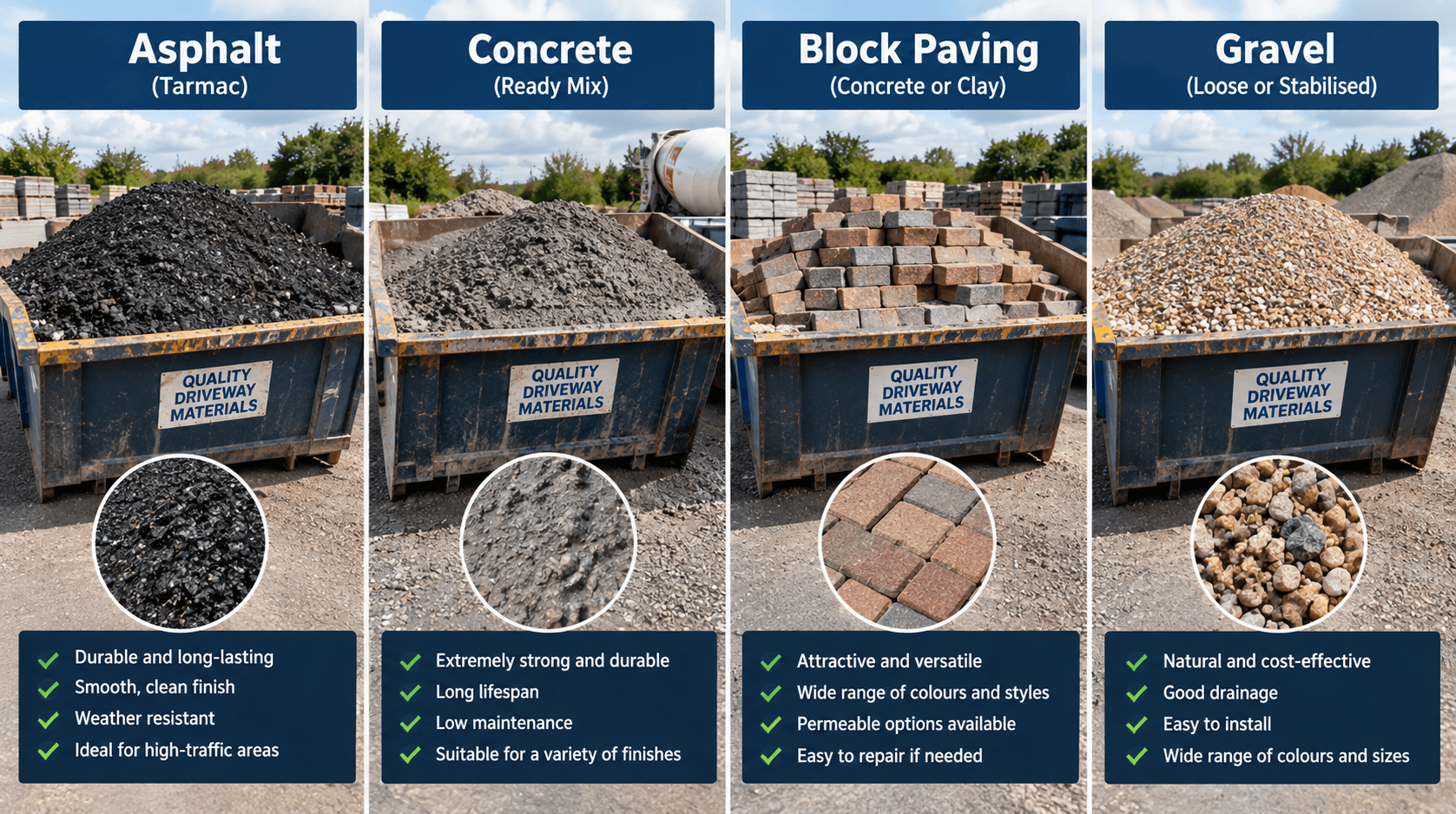
Before hiring, measure your driveway and note the surface type—concrete, tarmac, or block paving respond differently to pressure. The hire company will advise on the right machine and pressure setting. Most rental periods are flexible, ranging from a few hours to daily rates, so costs are driven by the machine's power and how long you need it.
Operating a jet washer carries real risks. The pressure can exceed 150 bar and cause serious injury if directed at skin or eyes, or damage to softer surfaces if the nozzle is held too close. Wear appropriate protective equipment, including safety glasses and gloves. Keep bystanders and pets away during operation. Water run-off will contain dirt, moss, and potentially harmful substances; check with your local council whether the waste water drains to a public sewer or requires containment, particularly if your driveway borders a watercourse.
Professional Cleaning Services
Hiring a professional cleaner removes the physical and technical burden entirely. Experienced operators know the correct pressure for different surfaces, avoid damage, manage water run-off responsibly, and complete the job quickly. They often use industrial-grade equipment and additional treatments such as moss killer or sealant application.
The cost of professional cleaning is driven by driveway size, soil condition, access difficulty, and location. Quotations typically account for these factors individually. Rural or hard-to-reach properties may incur higher fees due to travel time. Search cleaning services in London, cleaning in Morden, or cleaning in your postcode area to find local tradespeople, or browse the full directory of trade services for cleaners near you.
Waste Water and Environmental Responsibility
Water run-off from jet washing can contain moss spores, algae, dirt, and sometimes oil or fuel residue. If your driveway drains directly into a storm drain or watercourse, check your local council's environmental guidance before you start. Some councils require containment or pre-filtration of certain waste streams. The Environment Agency in England and Wales, and Scottish Environment Protection Agency (SEPA) in Scotland, provide guidance on preventing water pollution from routine property maintenance.
Many professional cleaners have systems in place to manage and filter waste water appropriately, which is another reason to consider hiring them for larger jobs.
Making Your Decision: A Practical Checklist
- Driveway size: Small (under 50 m²) often suits DIY; large areas or commercial settings favour professional hire.
- Surface condition: Light moss or algae is manageable with a domestic jet washer. Thick algae, oil stains, or heavily soiled tarmac may require professional treatment.
- Physical capability: Jet washers are heavy and require sustained control. Consider whether you can safely operate one for 2–4 hours.
- Time availability: DIY takes longer. A professional typically completes a residential driveway in under a day.
- Budget: Get quotes from hire companies and local cleaners. Factor in your time cost if choosing DIY.
- Safety and environment: Confirm water disposal rules with your council and ensure you understand pressure safety before hiring equipment.
- Ongoing maintenance: A professional may recommend sealant or periodic cleaning to extend driveway life.
Combining Approaches
Some homeowners hire equipment for routine maintenance and call a professional for deep cleaning every few years. This balances cost and results. Others hire a professional for the initial clean, then maintain the driveway themselves afterwards using a lower-pressure domestic washer.
Whatever route you choose, prioritise safety and responsible waste handling. If you decide to hire equipment, ask the hire company for a brief demonstration and ask about the correct nozzle angle and distance for your surface type. If you hire a professional, request a quote that includes water management and any post-cleaning treatments.
GetBrent.co.uk makes it easy to find equipment hire companies and professional cleaning services in your area. Browse local traders, compare services, and get in touch with those offering the solution that best suits your driveway and circumstances.