
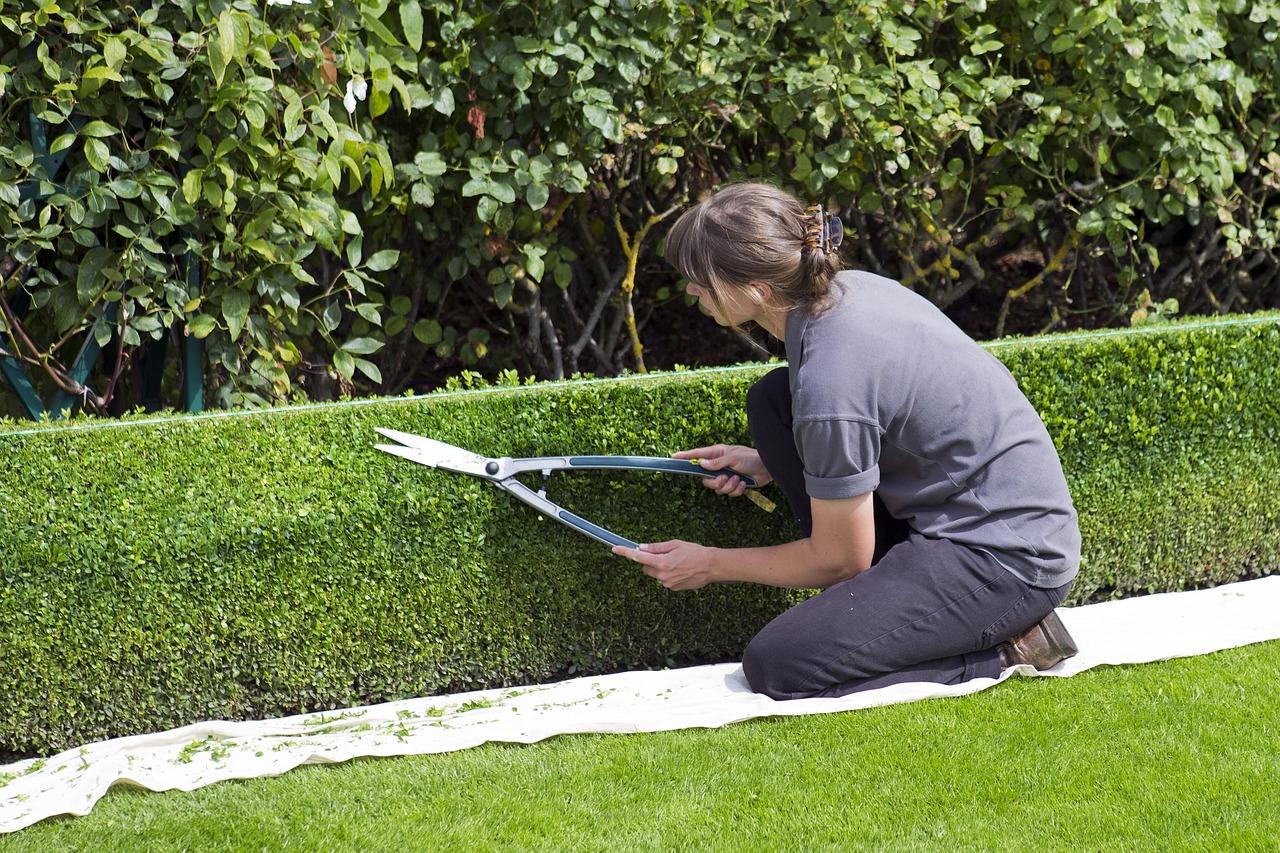
For a routine trim of a garden hedge that you can reach safely from the ground, doing it yourself usually makes sense. A gardener is the better choice for tall, overgrown or large hedges, for hard renovation cuts, or where working at height creates a real risk. Whoever does the cutting, the nesting bird rules apply, so the choice should be made with those rules in mind.
At a glance
- A routine trim of a low garden hedge is a sensible job to do yourself if you can reach it safely.
- Tall, wide or badly overgrown hedges, and hard renovation cuts, are better left to a gardener with the right equipment.
- Under the Wildlife and Countryside Act 1981, it is an offence to damage or destroy a nest that is in use or being built, so check for nests before any cut.
- Confirm any price with the gardener or company, as costs depend on the size and access of the hedge.
What decides whether you cut it yourself
The biggest factors are the size of the hedge, how high it has grown, and how much cutting it needs.
Timing matters too. A hedge that needs a hard cut is a different job from a light tidy-up.
| Situation | Usually better done by you | Usually better done by a gardener |
|---|---|---|
| Low, neat hedge reachable from the ground | Yes | Only if you lack the time |
| Tall hedge needing ladders or platforms | Only if you have the equipment and experience | Yes |
| Routine light trim | Yes | Optional |
| Hard renovation of an overgrown hedge | Possible for small hedges | Yes, for large or long hedges |
| Hedge with active nests | Leave the affected section alone | Leave the affected section alone |
The nesting bird rule applies to both options
The main legal point is the Wildlife and Countryside Act 1981, which applies across the UK. Section 1 of the Act makes it an offence to intentionally take, damage or destroy a wild bird's nest while that nest is in use or being built. The law does not ban hedge cutting as such, but cutting that damages an active nest is a criminal offence.
Section 1 of the Wildlife and Countryside Act 1981 makes it an offence to take, damage or destroy a nest of a wild bird while that nest is in use or being built.
Before any cut, use this short checklist:
- Look through the whole hedge for nests, including dense, ivy-covered or conifer sections.
- If you find an active nest, leave that section alone until the young have left.
- Do hard cut-backs in late winter, while the hedge is dormant.
- Make sure the person doing the work knows about the checks, whether it is you or a gardener.
Choose to do it yourself if
- The hedge is low enough to trim from the ground or a sturdy step ladder.
- You want a light routine trim rather than a hard cut or renovation.
- You have the hedge trimmer, secateurs or loppers you need, and time to do the job carefully.
- You are happy to check the hedge for nests and leave any active nest alone.
Choose a gardener if
- The hedge is tall, wide or needs work at height that you cannot do safely.
- The hedge needs a hard renovation cut, which the RHS describes as a job with its own timing and technique.
- You do not have the time, equipment or confidence to do the job well.
- You want the hedge shaped and maintained on a regular basis, and would like someone to handle the nest checks for you.
For more detail on the nesting season and the best months for each hedge, see our guide to hedge cutting and nesting bird law. If you decide to hire, the guide to how many quotes you should get from a tradesperson explains how to compare prices fairly.
Frequently asked questions
Is it illegal to cut a hedge in nesting season?
Not in itself for a garden hedge, because the Wildlife and Countryside Act 1981 makes it an offence to damage or destroy a nest that is in use or being built. Cutting is unlawful if it damages an active nest, so check first.
Can I cut my hedge at any time of the year?
The RHS advises checking for nesting birds before any work, and it recommends hard renovation cuts in mid-winter for deciduous hedges and mid-spring for evergreens. Routine trims should be timed around the nesting season.
Who is responsible if a gardener damages a nest?
The offence applies to the person who intentionally damages or destroys the nest, so it is sensible to agree in advance that any gardener will check for nests before starting. Ask any gardener you hire to confirm how they will do this.
If you decide to hire, you can find a trusted local gardener or hedge cutting service through trade services on GetBrent, or search by area, such as trade services in London, trade services in Leeds or trade services in Glasgow City. Check each company's experience and ask for the work to be confirmed in writing before the job starts.