Drivers of a hire vehicle in London can be liable for the ULEZ charge and the Congestion Charge on the same day, and the liability depends on the vehicle's emissions standard, the zone it enters and the hours it is driven. Hire companies' own statements that a fleet is compliant do not remove the duty to check, so this article sets out what Transport for London (TfL) says the rules are and what to confirm before you drive. The rules described here apply to England, specifically to London, and the article does not cover Scotland, Wales or Northern Ireland.
Which charges apply and who sets them
The ULEZ and the Congestion Charge are separate schemes, and both are run by Transport for London. The ULEZ operates across all London boroughs and the City of London, and does not apply on Christmas Day. The Congestion Charge is a different scheme, set by Transport for London (TfL). It applies in a defined area, and most vehicles driving in the zone during charging hours must pay it. The purpose also differs: the Congestion Charge is about reducing traffic, while the ULEZ is based on vehicle emissions.
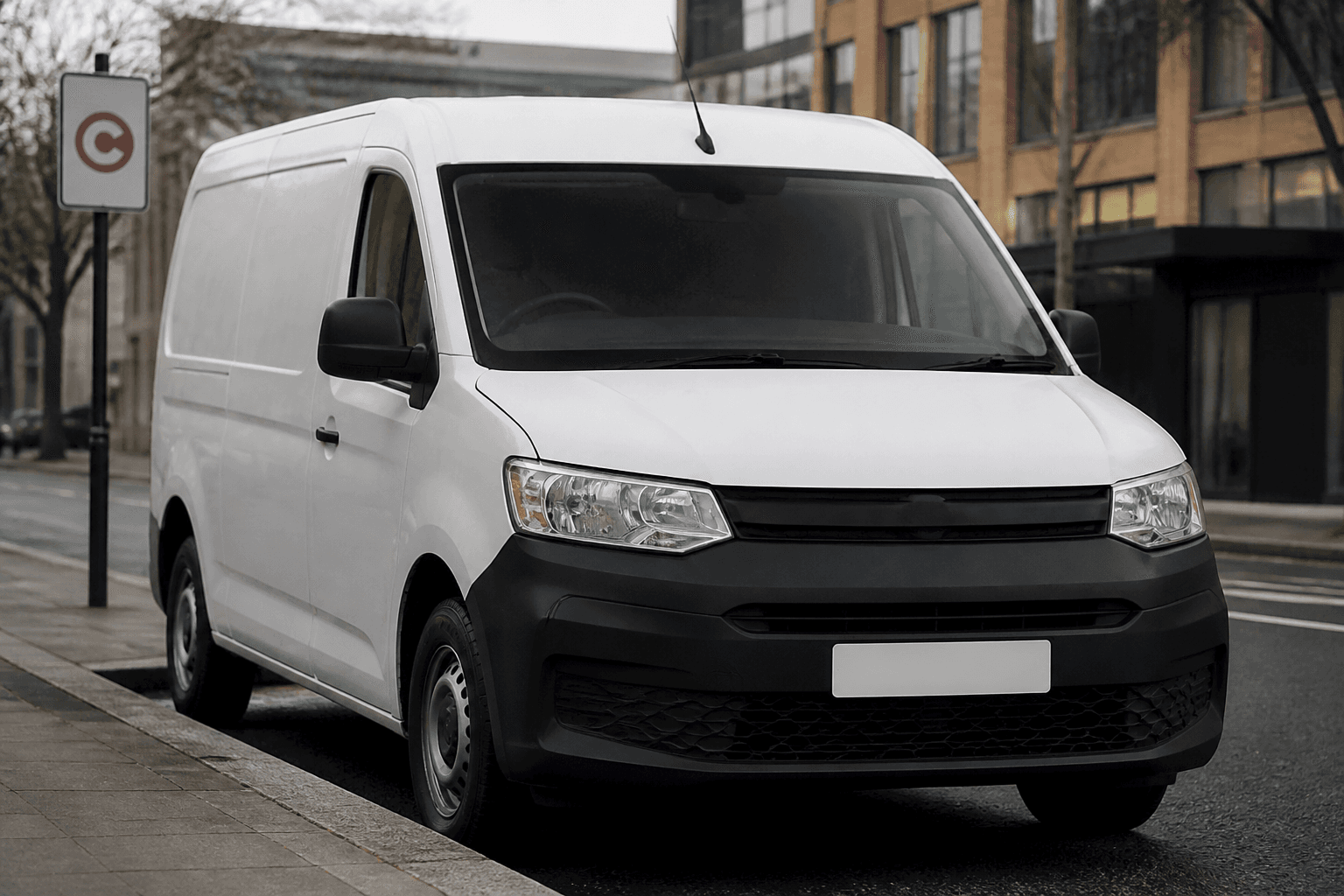
The ULEZ depends on the vehicle, while the Congestion Charge depends on where and when it is driven. A hire van that meets the ULEZ standards can still owe the Congestion Charge if it enters the central zone during charging hours.
Does the ULEZ apply to your hire van?
TfL states that the ULEZ applies to cars, motorcycles, vans and specialist vehicles (up to and including 3.5 tonnes) and minibuses (up to and including 5 tonnes). The zone operates across all London boroughs and the City of London. The standards for vans are set by fuel type. TfL lists Euro 4 (NOx) for petrol cars, vans, minibuses and other specialist vehicles and Euro 6 (NOx and PM) for diesel cars, vans and minibuses and other specialist vehicles.
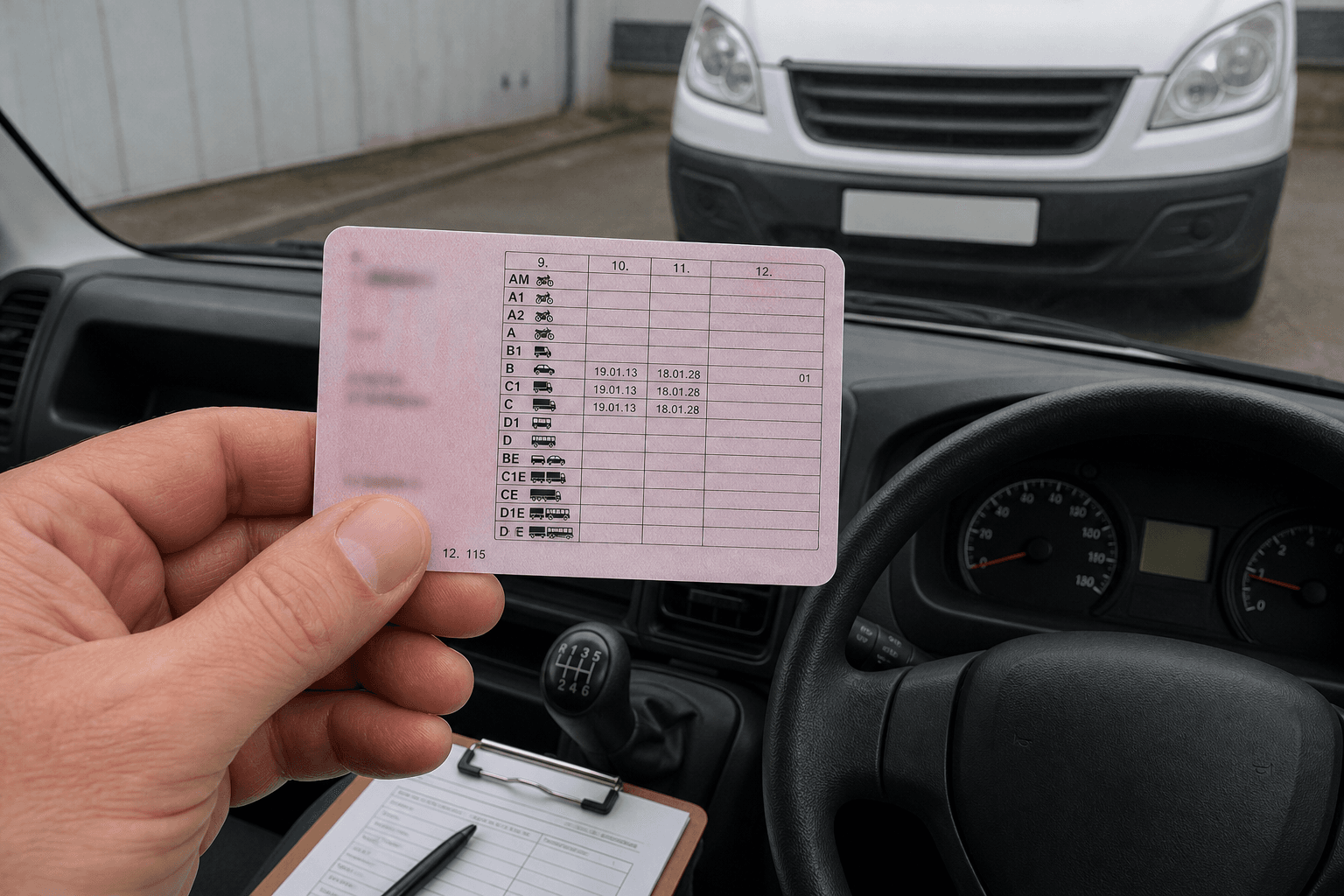
A non-compliant vehicle is charged for each charging day on which it is used in the zone. The emissions standard is usually linked to the vehicle's registration date. For private hire vehicles, TfL notes that the emissions standard of your vehicle can usually be determined from the date of its first registration as new, which is shown on the vehicle's registration document known as the V5C. Ask the hire company for the registration number and the first registration date, then check the vehicle on TfL's checker before you set off.
Vehicles from outside the UK
If a vehicle is registered outside the UK, TfL says that if we don't hold details for a vehicle registered outside the UK, we won't know if it meets the ULEZ and/or LEZ emissions standards or what type of vehicle it is. In that case the driver must act: if you think your vehicle meets the standards, you'll need to register it with us.
Does the Congestion Charge apply to a hire van?
TfL's guidance indicates it applies per vehicle, per day, regardless of how many times you enter or leave the Congestion Charge zone during that day. Some vehicles are exempt, and TfL's discounts and exemptions page sets out the eligibility conditions. The exemptions depend on the vehicle and the driver, so check them before you assume one applies to a hired van.
The Congestion Charge amount is also set by TfL and changes over time. The reader should confirm the figure on TfL's website before the journey, because third-party guides quote different amounts.
Practical checklist before you drive into London
- Ask the hire company for the vehicle registration number and the first registration date, then check the vehicle on TfL's ULEZ checker.
- Confirm whether the van is a petrol or diesel vehicle, since the Euro standard differs by fuel type.
- Check your route against the ULEZ area, which covers all London boroughs, and against the Congestion Charge zone, which is central London.
- Confirm the current ULEZ and Congestion Charge amounts with TfL, not with the hire company or a third party.
- Decide whether to pay in advance or use Auto Pay, and keep receipts for the day.
- Note that the ULEZ does not apply on Christmas Day, and check the charging hours before you plan a Congestion Charge day.
Where the cost comes from and how to plan
The cost of a London trip in a hire van is driven by the vehicle's emissions standard, the zones entered, the hours of travel and the number of days in the zone. A compliant van avoids the ULEZ daily charge, but the Congestion Charge applies separately if the route enters the central zone in charging hours. Many people who hire locally, for example for a removal or a clearance job, will use a van from an outer-London depot and drive in only for part of the job, so the route plan matters as much as the vehicle choice. If you are hiring from a branch near the capital, you can look at van hire in London or van hire in Enfield and ask each company which vehicles are ULEZ compliant, rather than assuming.
Specialist and heavier vehicles need extra checks. The ULEZ standards described above cover vans up to 3.5 tonnes, so a heavier vehicle may fall into a different category. For larger or specialist equipment, see specialist vehicle hire and confirm the vehicle's weight and category with the operator before you travel.
Finally, remember that the charges belong to TfL, not to the hire company. A company's statement that its fleet is compliant does not confirm the vehicle you are given on the day, so check the registration yourself.
GetBrent lists local hire companies across trailers, tools, plant, vans and storage, so you can compare firms near your route before you book. Use the search to find a van or vehicle hire company in your area, and ask each one which vehicles in its fleet meet the ULEZ standards and how it handles charges on the day.