A standard UK Category B car licence lets you drive any van with a maximum authorised mass (MAM) of up to 3.5 tonnes - and that covers the vast majority of hire vans you will find at a local depot. If the van you want to hire weighs more than that, you will need a higher licence category before you can legally take the wheel.
What does Category B cover?
Category B is the standard licence most UK drivers hold, obtained by passing the ordinary car driving test. Specialist vehicle hire companies across the UK routinely stock vehicles that fall within this bracket, meaning most drivers can hire and drive them without any additional training or testing.
Under Category B, the rules set by the Driver and Vehicle Licensing Agency (DVLA) and overseen by the Driver and Vehicle Standards Agency (DVSA) allow you to drive:
- Any van or light commercial vehicle with a MAM of up to 3,500 kg (3.5 tonnes)
- A vehicle with no more than eight passenger seats
- A trailer weighing up to 750 kg, provided the combined weight of vehicle and trailer does not exceed 3.5 tonnes
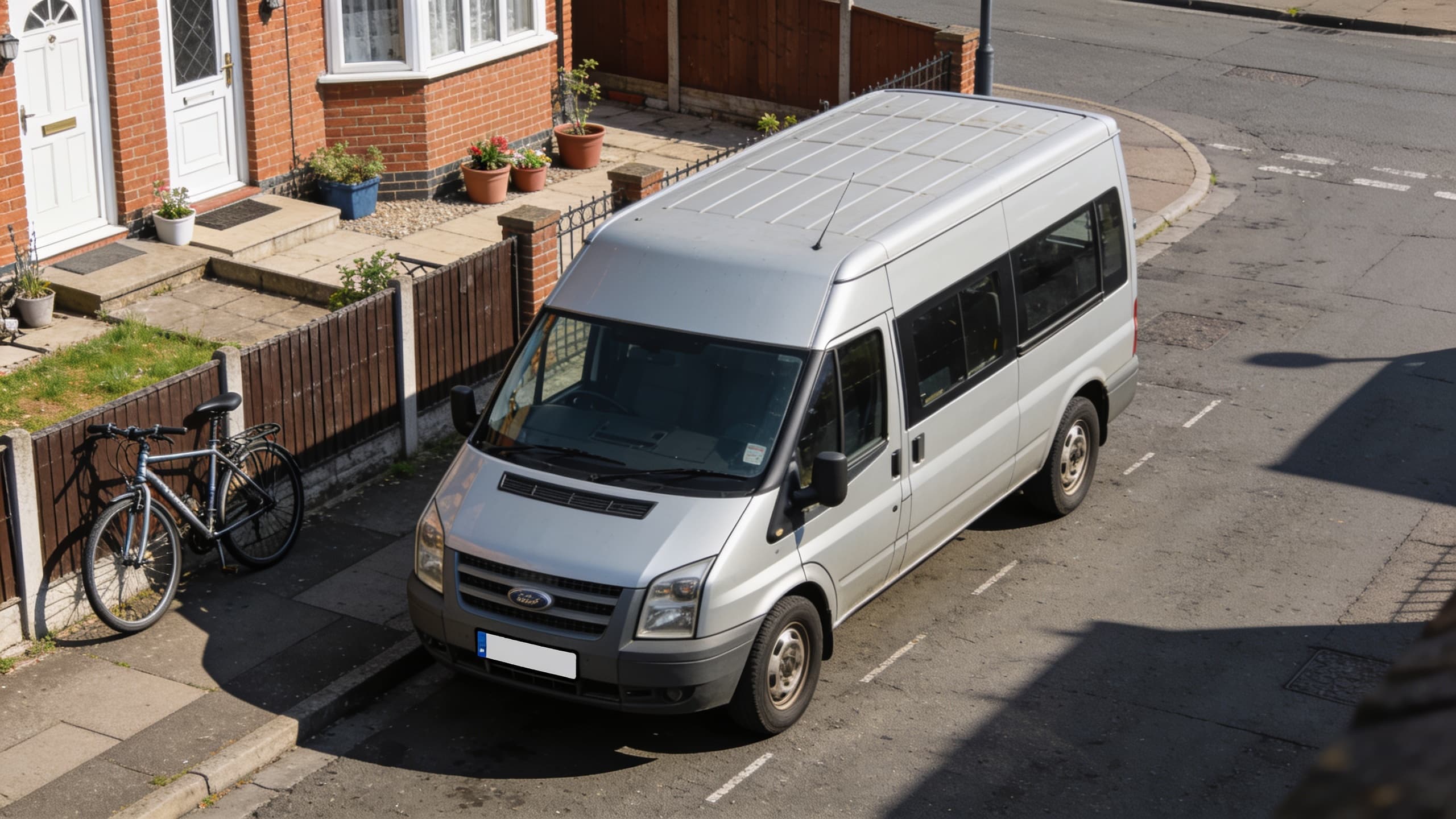
Popular hire models such as the Ford Transit Custom, Volkswagen Transporter, Vauxhall Vivaro and Mercedes-Benz Vito all fall within this limit in their standard configurations, so a normal car licence is all you need.
What about larger vans?
Some heavier vans - typically large-panel vans or specialist vehicles used for removals or long-distance freight - exceed the 3.5-tonne limit. To drive these legally you will need:
- Category C1: covers vehicles with a MAM between 3.5 and 7.5 tonnes. You must be at least 18 years old to hold a C1 licence and must pass an additional practical test.
- Category C: required for vehicles over 7.5 tonnes - typically full HGVs. This demands further training and a separate medical examination.
If you passed your driving test before 1 January 1997, you may already have C1 entitlement printed on the back of your photocard licence. Check the entitlements listed there before assuming you need to take a further test.
Electric and zero-emission hire vans
Electric vans are a special case. Because battery packs add considerable weight, a Category B licence in the UK covers zero-emission electric and hydrogen vans with a MAM of up to 4,250 kg (4.25 tonnes) - 750 kg more than the standard petrol or diesel threshold. This rule acknowledges that the battery weight does not represent additional cargo or risk in the way that an overloaded combustion vehicle would. If you are hiring an electric van, confirm the vehicle's exact MAM with the hire company so you know which rule applies to you.
What to check before you collect the keys
A few practical checks will save time and prevent problems on the day:
- Check your licence entitlements. Look at the categories listed on the back of your photocard. The DVLA's online licence-check service lets you generate a share code that hire companies can use to verify your entitlements directly.
- Confirm the van's MAM. Ask the hire company for the vehicle's maximum authorised mass before you book. Do not rely on the van's physical size - in the UK, van licensing rules are determined by weight, not dimensions.
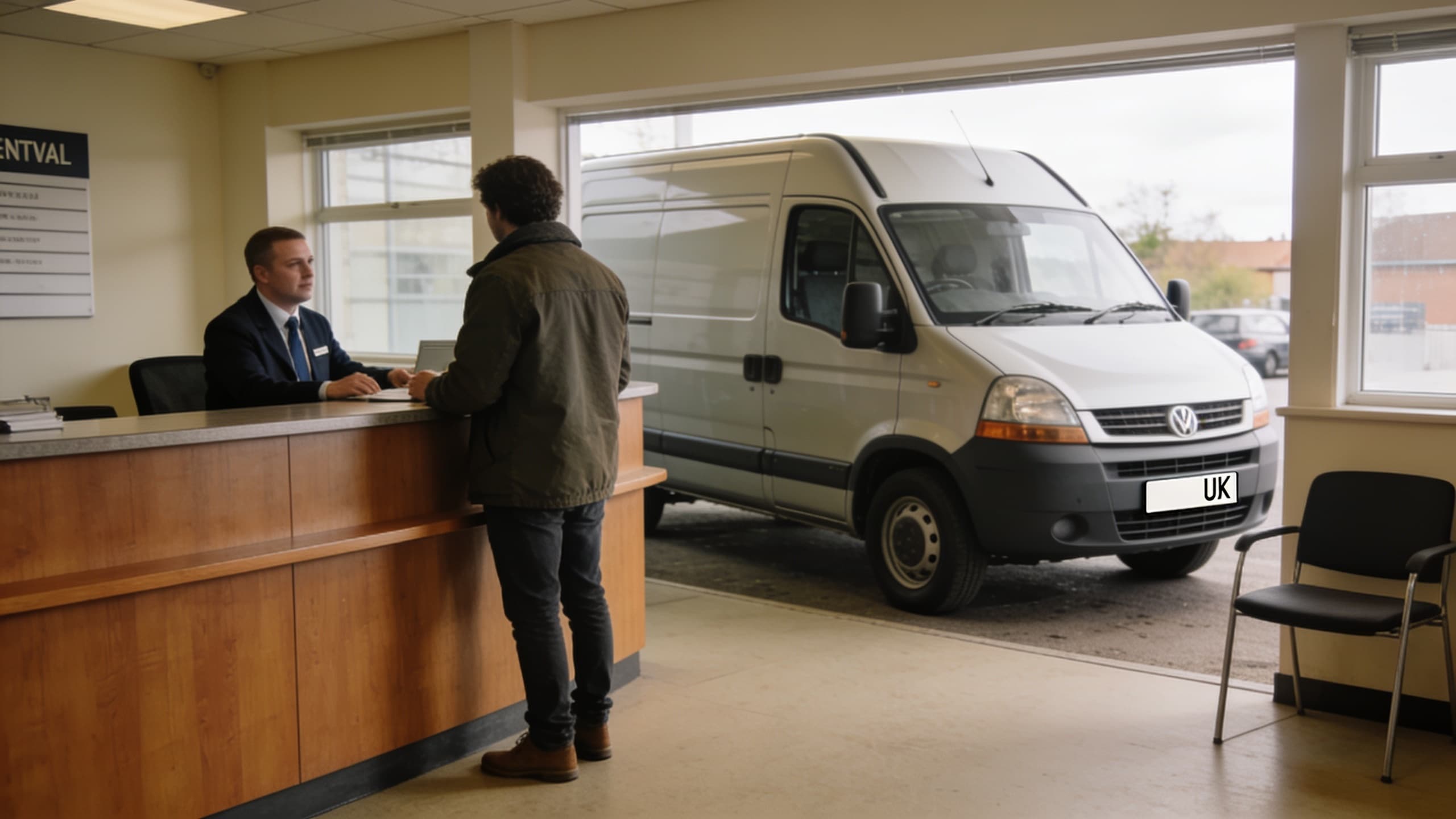
- Check how long you have held your licence. Many hire companies require drivers to have held a full licence for at least one to two years, and some apply an age minimum of 21 or 25. Confirm the hire firm's own policy when booking.
- Consider an additional named driver. If someone else may need to drive, most firms allow named drivers to be added - bring their licence and share code too.
- Review the insurance excess. Hire companies provide comprehensive insurance as standard, but the excess can be substantial. Ask whether a daily excess-reduction option is available.
- Note the fuel type. Return the van with the same fuel level you received it with, and confirm whether the vehicle runs on diesel or is electric, to avoid a misfuelling charge.
Specialist and unusual hire vehicles
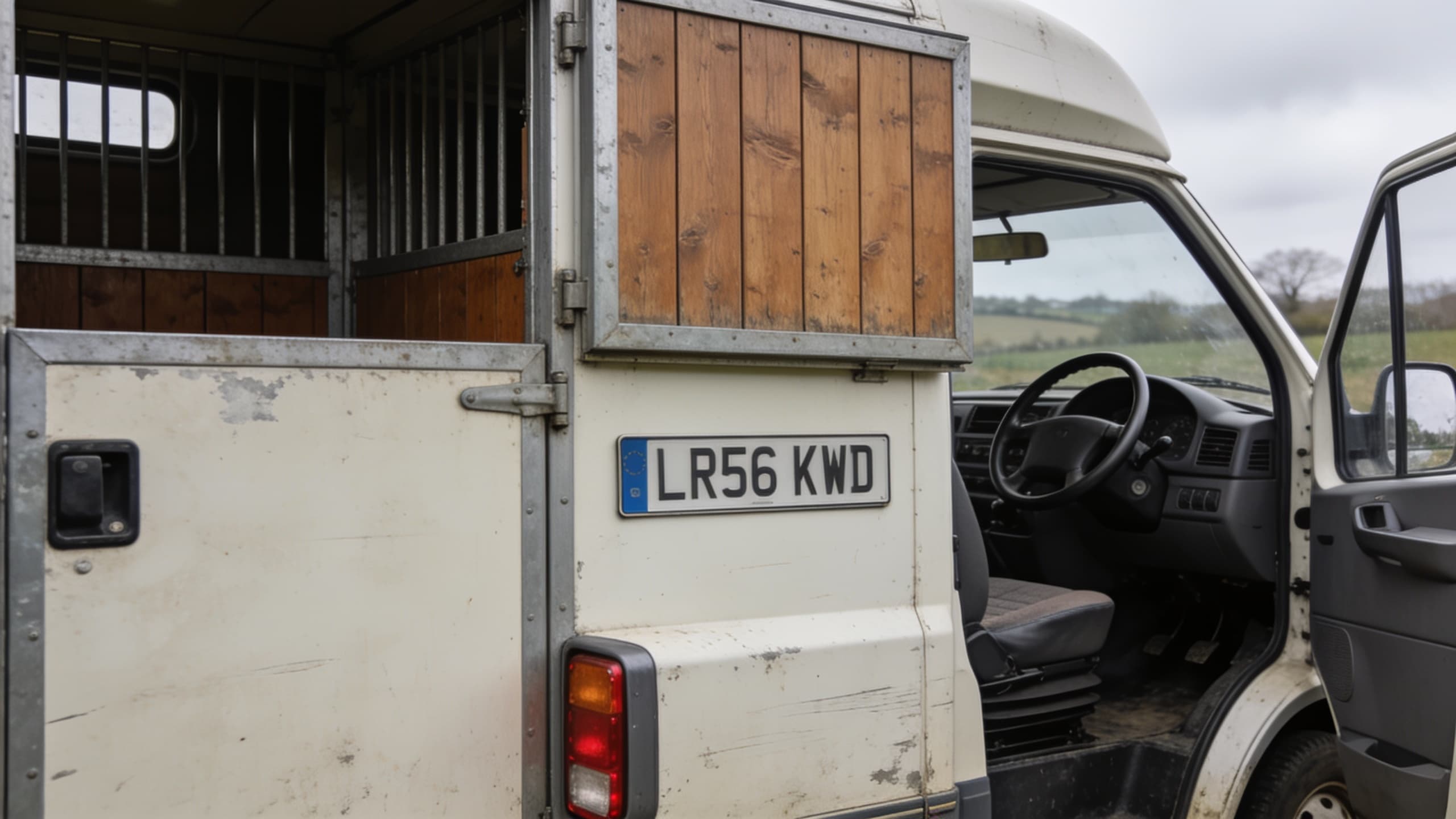
Not every hire vehicle is a standard panel van. If you need something out of the ordinary - a refrigerated van, a tail-lift vehicle, a Luton box van or a specialist unit for events or trades work - the same weight-based rules still apply, but the vehicle's MAM may be higher than you expect. Always ask the hire company to confirm the MAM in writing before booking.
For unusual requirements, specialist vehicle hire in London and specialist vehicle hire in Southampton can often source vehicles that standard depots do not carry. If you are based further east, specialist vehicle hire in Basildon covers a range of commercial and trades vehicles for the Essex area.
Find a local hire company on GetBrent
GetBrent lists van hire, specialist vehicle hire and local vehicle dealers across the UK, so you can compare firms near you and contact them directly. Search your area on GetBrent.co.uk to find hire companies that can confirm vehicle weights, licence requirements and availability before you commit to a booking.