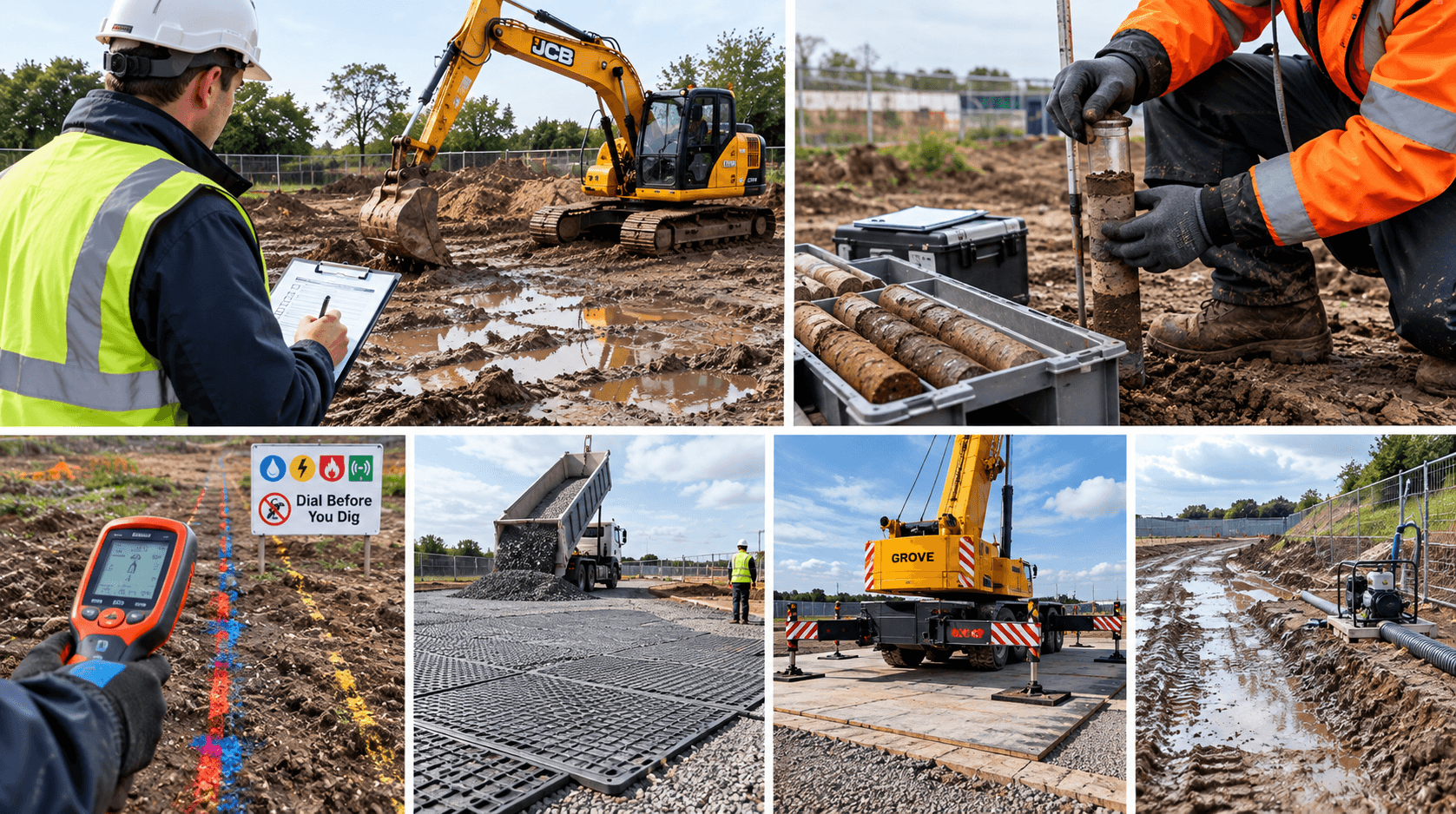
Anyone hiring construction plant in the UK needs, at a minimum, hired-in plant insurance to cover loss or damage to the machine while it is in their care. Beyond that, the insurance picture depends on whether you employ staff, what the hire contract says, and where the work is taking place. Getting the cover wrong before a machine is delivered can leave you personally liable for a machine worth tens of thousands of pounds.
Hired-In Plant Insurance
When you hire a machine, you become responsible for it from the moment it arrives on site until it is collected. Most hire contracts make this explicit: if the machine is stolen, damaged in an accident or destroyed by fire while in your possession, the cost falls to you unless you hold the right insurance.
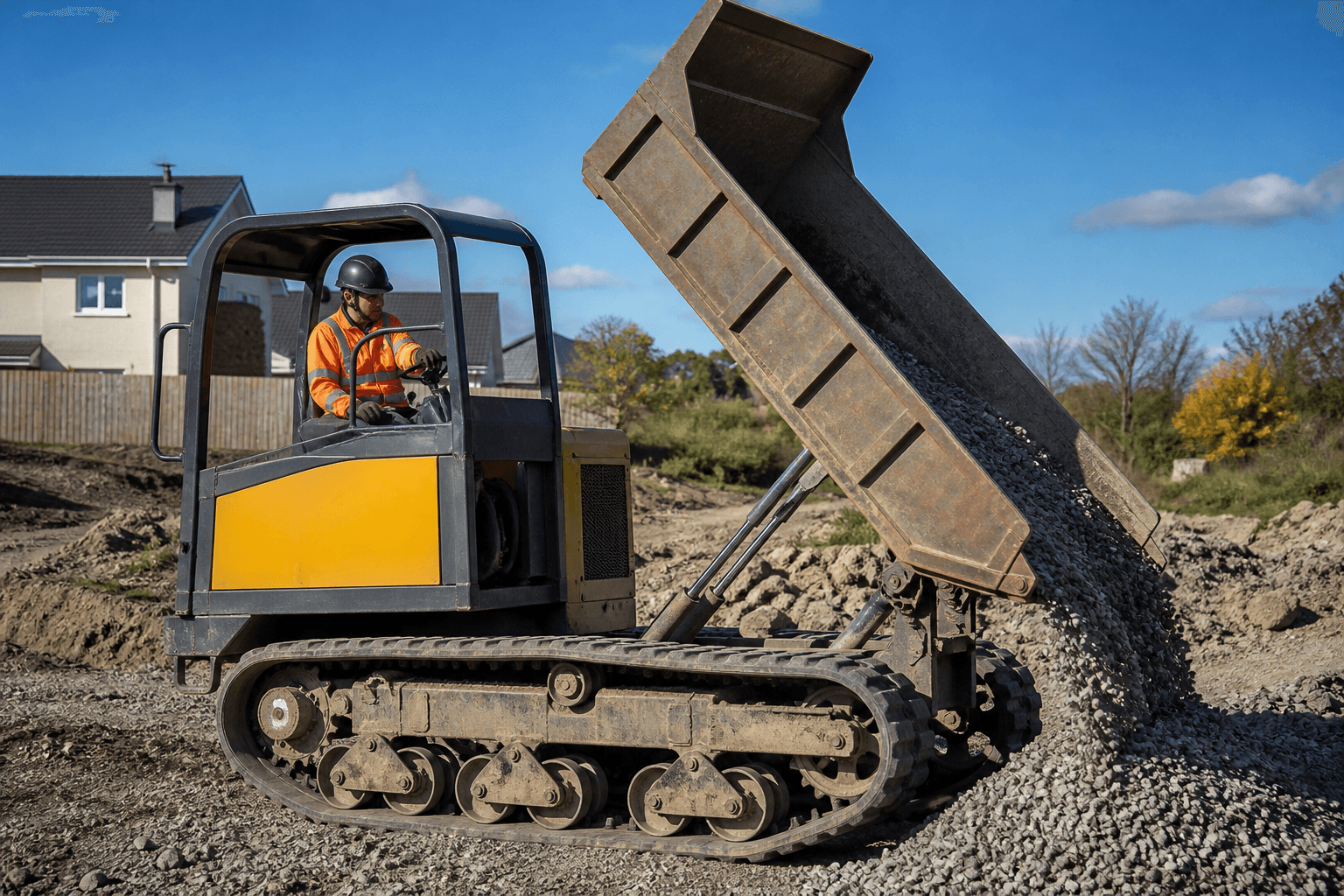
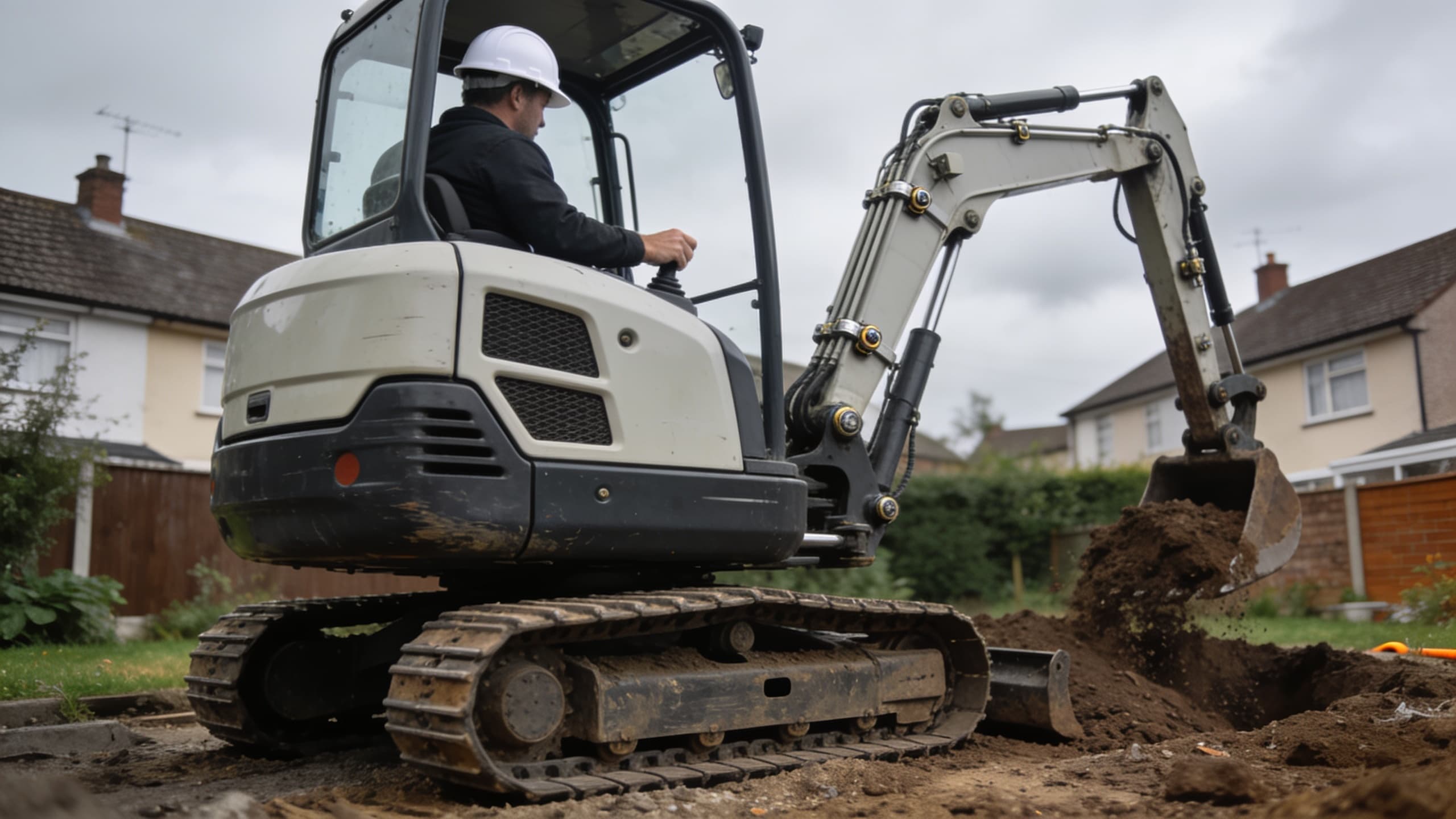
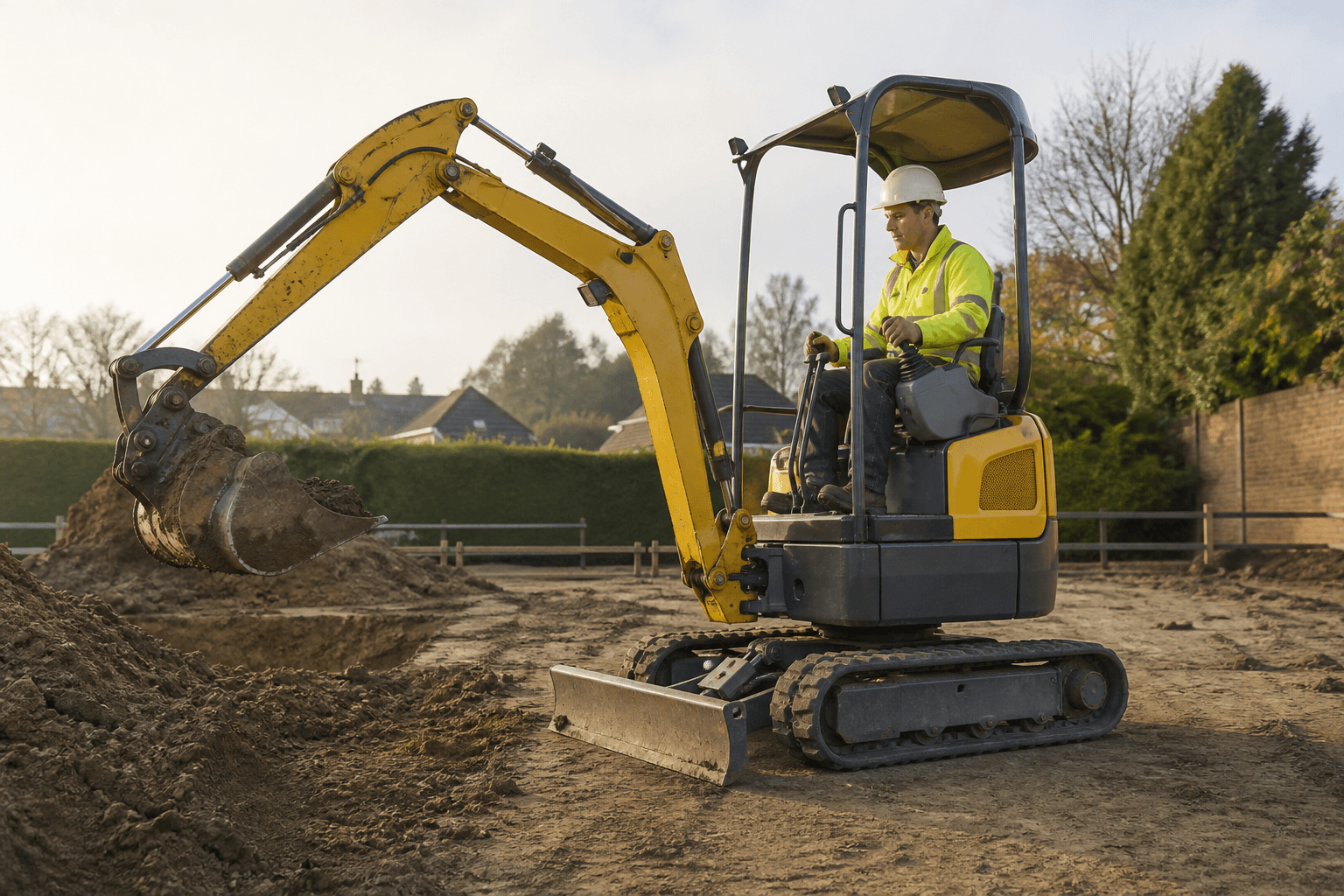
Hired-in plant insurance (sometimes called HIP) covers accidental damage, theft and loss of the hired equipment while it is in your care. It applies to the full range of plant available through a plant hire search, including excavators, mini diggers, dumpers, rollers and telehandlers. When arranging cover, check that the policy insures the machine for its full replacement value, because some hire contracts require like-for-like replacement with a new machine rather than a used equivalent. Most hire companies will ask for proof of valid hired-in plant insurance before delivery; some offer their own waiver scheme as an alternative, but obtaining your own policy through a broker is generally the more cost-effective route for regular hirers.
Hired-in plant insurance does not cover injuries to workers or third parties. Those risks need separate policies, described below.
Employers' Liability Insurance: A Legal Requirement
If you employ anyone on the site where hired plant is being used, the Employers' Liability (Compulsory Insurance) Act 1969 requires you to hold a current employers' liability insurance policy from an approved insurer. This applies whether employees are full-time, part-time or temporary.
The premium is driven by the number of employees, the type of work carried out and your claims history. Confirm the exact figure with your insurer or broker.
Public Liability Insurance
Public liability insurance protects you if a third party, such as a member of the public, a neighbouring property owner or another contractor on site, suffers injury or property damage as a result of your plant operations. It is not a statutory requirement in the same way as employers' liability, but it is a standard contractual requirement on most managed construction sites and is routinely demanded by main contractors, local authorities and estate managers before work begins.
The level of cover required is often written into the site contract, so check the terms before you book plant. If you are hiring plant for a domestic garden job or a small private site rather than a managed contract site, you may still wish to hold public liability cover given the financial exposure that a third-party claim can bring. The amount of cover that drives the premium is set by the nature and scale of the work; confirm the requirement with the site manager or your broker before hiring.
Operator Competence and Its Insurance Link
Insurance and safety law are closely connected when it comes to who operates the plant. Under the Provision and Use of Work Equipment Regulations 1998 (PUWER), training and competence requirements apply to the use of work equipment, including mobile plant. Competence means an appropriate combination of training, experience and knowledge, not simply possession of a card from a training scheme.
Recognised training schemes such as the Construction Plant Competence Scheme (CPCS) or the National Plant Operators Registration Scheme (NPORS) are widely used as evidence of competence, and insurers may ask about operator certification as part of the quotation process. An unqualified operator causing an accident could invalidate a claim. If you want an operator supplied with the machine, many hire companies offer exactly that; the existing GetBrent article on plant hire in London explains the with-operator option in more detail, and the same choice is available through listings for plant hire in Mitcham and other local areas.
Pre-Hire Insurance Checklist
Before a hired machine is delivered, work through the following points:
- Hired-in plant insurance - confirm you hold a current policy and that the sum insured covers the full replacement value of the machine you are hiring.
- Employers' liability insurance - legally required under the Employers' Liability (Compulsory Insurance) Act 1969 if any employees will be on site. Check the policy is in date and that the insured limit meets the statutory minimum.
- Public liability insurance - check whether the site or hire contract specifies a minimum level of cover, then confirm your policy meets it.
- Operator competence - confirm that whoever will operate the machine has received appropriate training under PUWER. Check that their training record covers the specific machine and task involved.
- Hire contract terms - read the damage, theft and liability clauses before signing. Note whether the hire company offers a loss-or-damage waiver as an alternative to your own hired-in plant policy, and compare the cost.
- Continuing hire charges - some policies cover the ongoing hire cost while a damaged machine is off-hire awaiting repair. Check whether this is included or available as an add-on.
What Drives the Cost
No two policies are priced identically, so no article can give you a reliable figure. The premium for hired-in plant insurance is influenced by the value of the plant, the hire duration, the type of work, the site location and your claims history. Employers' liability cost is driven mainly by headcount and the risk category of the work. Public liability premium varies with the level of cover required and the nature of the project. Obtain quotes from your broker or insurer before you commit to a hire booking, rather than after the machine has arrived.
Use GetBrent to find and compare local plant hire companies near you. Many firms list the types of plant they offer and whether operated hire is available, so you can identify the right company and confirm the insurance requirements with them directly before anything is booked.