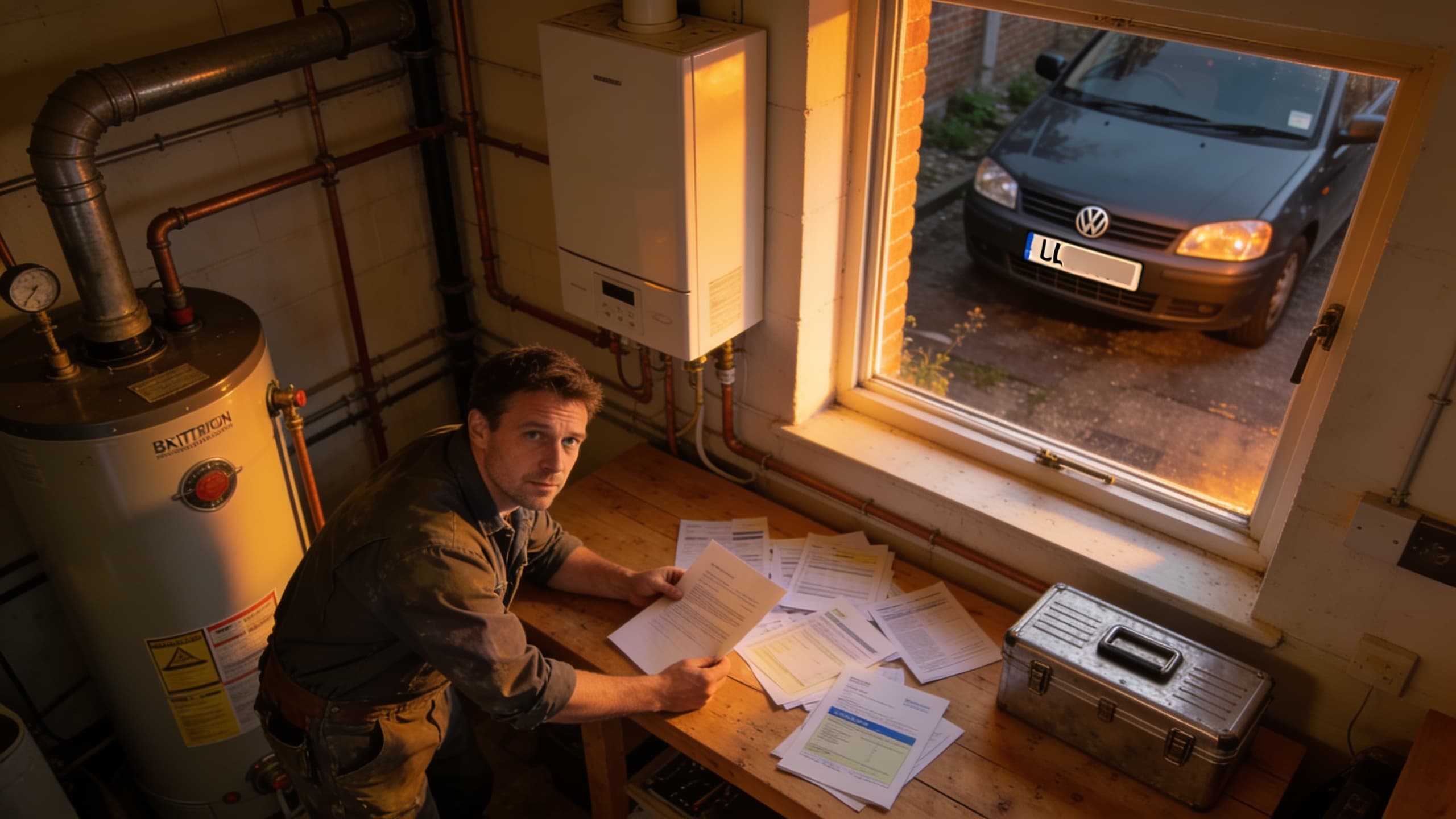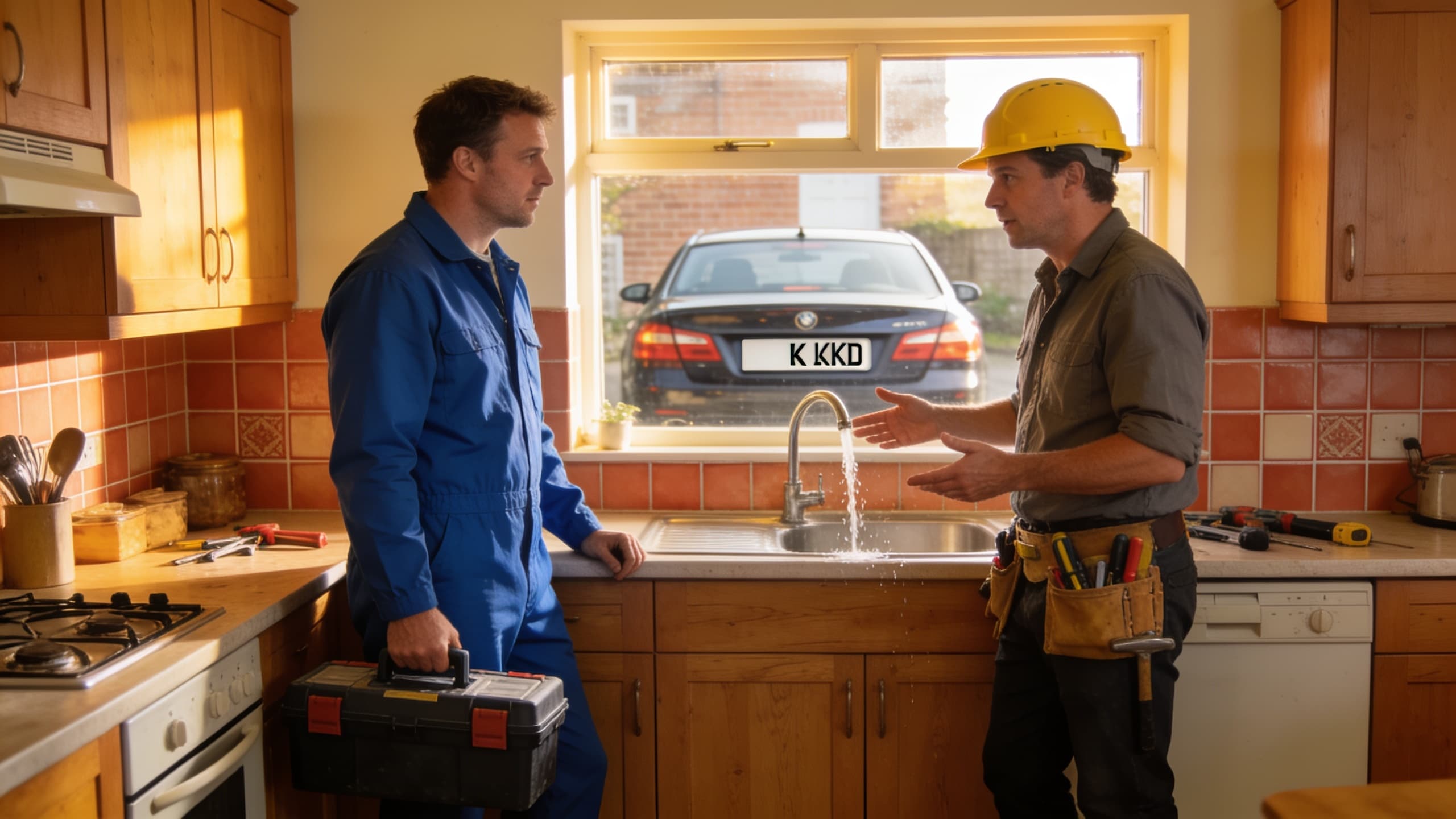

Before hiring any local tradesperson in the UK, there are a set of practical questions every homeowner should ask - covering insurance, qualifications, references and paperwork - that separate a reliable firm from a rogue one. Asking them upfront costs nothing and can save considerable trouble later.
Are They Insured?
Public liability insurance is the single most important thing to confirm before a tradesperson sets foot in your home. It covers damage to your property or injury to a third party that occurs during the job. Ask to see the current certificate rather than simply taking their word for it. Without this cover, you could be left to foot the bill if something goes wrong.
Some trades also carry professional indemnity insurance, which covers errors in design or specification. If the job involves any element of planning or structural advice, ask whether this applies.
Are They Registered With the Right Trade Body?
For many trades in the UK, registration is not optional - it is a legal requirement or a condition of safe working:
- Gas engineers must by law appear on the Gas Safe Register. You can verify any engineer on the Gas Safe website using their licence number. Never allow unlicensed work on a boiler, hob or gas fire.
- Electricians carrying out notifiable work must either be registered with a government-approved competent person scheme (such as NICEIC or NAPIT) or have the work independently inspected and certified. The local council building control department handles the latter.
- Working at height - on a roof, scaffold or ladder - falls under HSE regulations. Any contractor doing this work should follow the Work at Height Regulations and carry the appropriate insurance.
- For general trades, TrustMark is the government-endorsed quality scheme. Members are vetted against technical and trading standards, and the scheme offers a complaints process if things go wrong.
Membership of a trade body does not guarantee perfection, but it does mean the firm has agreed to a code of conduct and that you have a route to raise a complaint beyond the courts.
Can They Provide References From Recent Work?
Any established tradesperson should be willing to share references or photographs from recent comparable jobs. The most useful references come from jobs similar to yours - a landscaper who has laid driveways, a handyman who has fixed the same type of joinery. If possible, contact references directly and ask whether the job was finished on time, whether the final figure matched the quote, and whether they would hire the same firm again.
Online reviews are useful but not infallible. Look for patterns across multiple platforms rather than relying on a single five-star rating on one site.
Have They Given You a Written Quote?
A verbal price is not a quote - it is a conversation. Before any work begins, insist on a written document that clearly sets out:
- A breakdown of labour and materials separately
- Whether VAT is included (and the trader's VAT number if they are registered)
- The expected start date and estimated duration
- What is not included, such as skip hire, specialist sub-contractors or disposal fees
- Payment terms and schedule
- Any guarantee on the work, and for how long
Getting at least three written quotes for the same scope of work lets you compare like for like. The lowest figure is not always the best value - check what is and is not included. Ask each firm to confirm their figure in writing before you accept.
Tip on deposits: A reasonable deposit may be fair for a larger job where materials must be ordered, but be cautious about paying a large proportion upfront before work starts. Cornwall Trading Standards advises that you should not have to pay substantial deposits unless you know exactly what the money is being used for.
A Quick Pre-Hire Checklist
Run through these before signing anything or paying a deposit:
- Confirmed public liability insurance - certificate seen, not just claimed
- Relevant registration checked: Gas Safe, NICEIC or equivalent where the law requires it
- TrustMark or trade association membership verified online
- At least two references contacted and positive feedback confirmed
- Three written quotes obtained and compared
- Written quote includes VAT status, start date, duration, materials and guarantee
- Physical business address confirmed - not just a mobile number
- No pressure to sign on the day or pay everything upfront
What to Do If Something Goes Wrong
If a dispute arises after the work is done, your first step is a formal written complaint to the firm. If they are a TrustMark or trade association member, use the scheme's complaints process. For consumer disputes in England and Wales, the Citizens Advice Consumer Helpline takes complaints on behalf of Trading Standards and can advise on your rights. In Scotland, Trading Standards operates through local councils. Small claims via the court system remains an option where other routes fail.
Avoid firms that cold-call at the door or apply high-pressure sales tactics. Reliable tradespeople do not need to drum up business this way.
Whether you need a local handyman for odd jobs, a landscaper for the garden or a specialist contractor for something larger, browse trade services on GetBrent to find and compare firms operating near you. If you are based in the capital, you can search trade services in London or narrow it further to trade services in Bromley. Each listing lets you contact the firm directly and ask for a quote, so you can work through the checklist above before you commit.