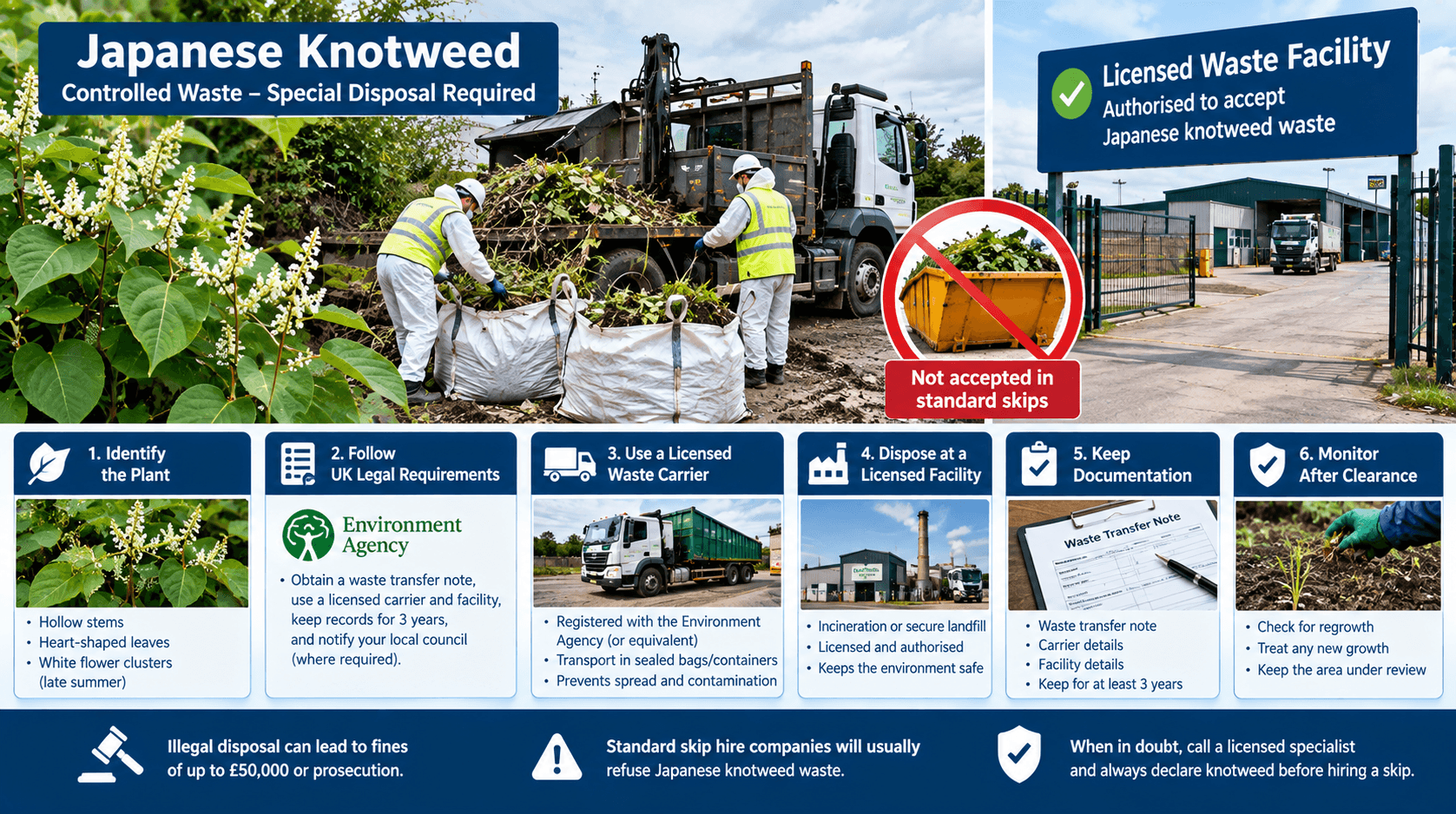
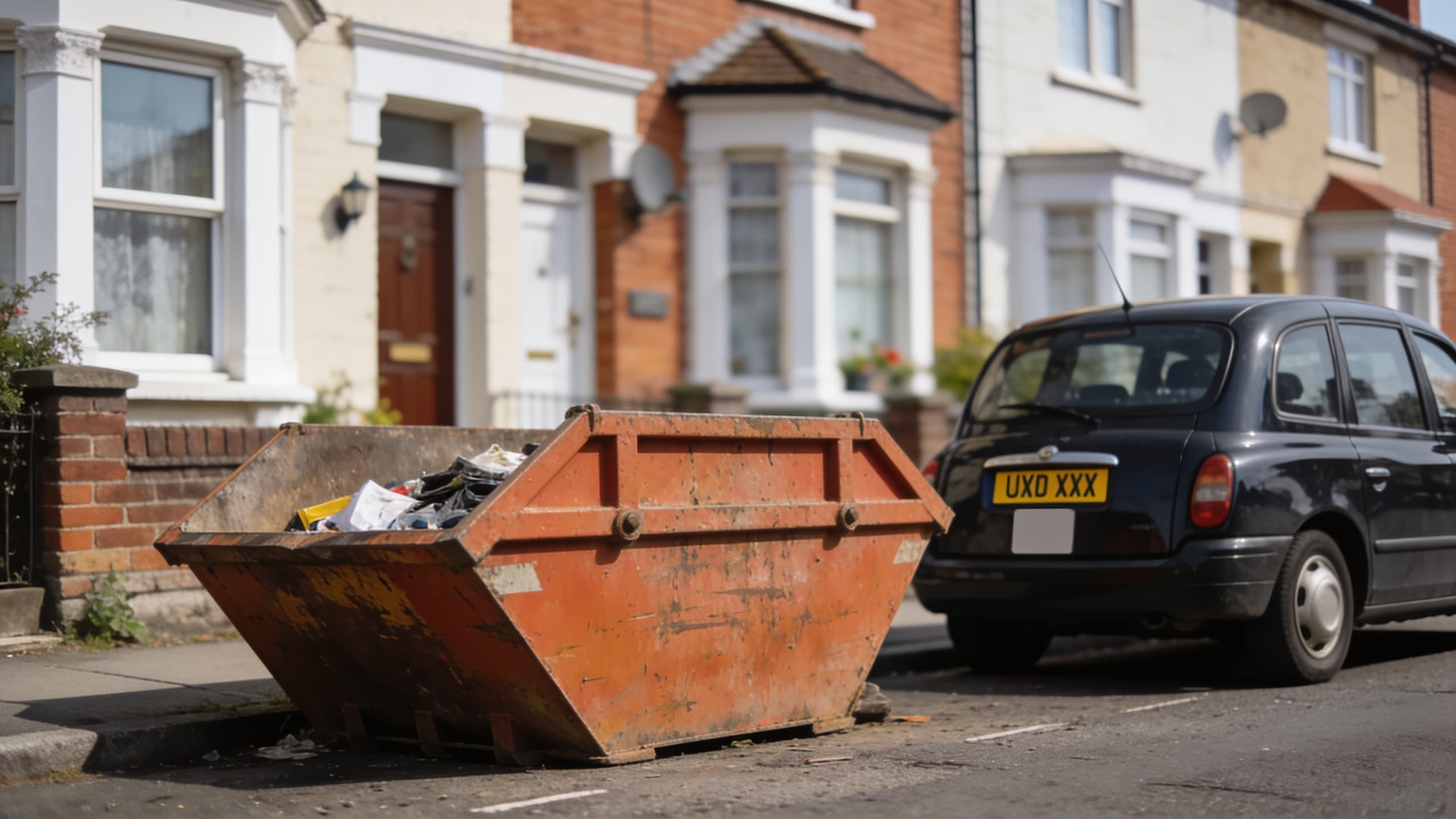
Many materials cannot legally go into a skip, and attempting to dispose of them this way can result in substantial fines, enforcement action by the local council or Environment Agency, and serious environmental damage. Understanding what is prohibited is essential before hiring a skip for any clearance project.
Asbestos and Hazardous Substances
Asbestos is the most heavily restricted material in skip disposal. Any building material containing asbestos—including old insulation, roof tiles, pipe lagging, brake linings, and textured wall coatings—must never enter a skip. Asbestos fibres cause mesothelioma and lung cancer when inhaled, and the Environment Agency enforces strict controls on its handling and disposal. Only licensed asbestos removal contractors may handle and dispose of asbestos-containing materials, and they must use specialised facilities.
Other hazardous substances banned from skips include:
- Paint, varnish, and solvents
- Pesticides and herbicides
- Oils and lubricants
- Batteries and accumulators
- Gas cylinders and pressurised containers
- Fluorescent tubes and other items containing mercury
These items require disposal at a licensed waste facility or through a specialist waste contractor. Your local council's waste disposal service or environmental health department can advise on the correct facility for hazardous waste in your area.
Electrical Items and Large Appliances
Fridges, freezers, air conditioning units, and other large appliances are banned from skips because they contain refrigerants and other substances controlled under environmental law. These appliances must be disposed of separately, often through the retailer if you are buying a replacement, or via a specialist electrical waste recycler. Most local councils operate Household Waste Recycling Centres that accept whitegoods and electrical items free of charge.
Smaller electrical items such as televisions, computers, printers, and microwaves also cannot go in a skip. The Environment Agency and SEPA (Scottish Environment Protection Agency) regulate electrical waste under extended producer responsibility schemes. Many electrical retailers and recycling centres will accept these items.
Tyres, Car Parts, and Vehicle Waste
Vehicle tyres are a particular problem in skips and are banned outright. Stockpiled tyres pose a fire risk and create breeding grounds for pests. Car batteries, engine oil, and other vehicle fluids also cannot be skipped. The DVSA and the Highway Code recognise that vehicles and vehicle components require specialist disposal, often through garages, scrapyards, or authorised treatment facilities. Used engine oil, in particular, can be taken to most local authority recycling centres at no cost.
Garden Waste and Food Waste
Many skip hire companies and waste management providers operate separate collection schemes for garden waste. Grass cuttings, leaves, branches, and soil often cannot go in a general skip because they are diverted to composting facilities instead. Some councils provide subsidised garden waste bins or operate collection services. Placing garden waste in a skip may incur additional charges or rejection of the skip contents.
Food waste should never go in a skip. Most councils encourage composting or use of food waste collection services where available. Rotting food attracts vermin and creates odour and leachate problems at landfill sites.
Practical Checklist Before Hiring a Skip
Before ordering clearance and disposal equipment, work through this checklist:
- Contact the skip hire company and describe the materials you need to dispose of
- Ask the company for a list of prohibited items specific to their contracts with landfill and transfer facilities
- Check your local council's waste disposal guidance on their website
- Arrange separate disposal for any hazardous, electrical, or restricted items before the skip arrives
- Sort materials on the day of collection to ensure banned items do not accidentally enter the skip
- Keep receipts and documentation for any items disposed of through specialist facilities
The cost of disposing of prohibited items through the correct channels depends on the material type, volume, and local waste contractor rates. Confirm actual charges with the specialist disposal facility or your local council, as prices vary significantly by location and service provider.
When in doubt, ask before you hire. A reputable skip hire company will provide clear guidance on what cannot be accepted and will signpost you to the correct disposal route for restricted materials. Services are available across the UK, including skip hire in London, skip hire in Coventry, and most other areas. Contact GetBrent.co.uk to find local hire companies in your region, confirm their policies on prohibited materials, and get a binding quote for your clearance project.