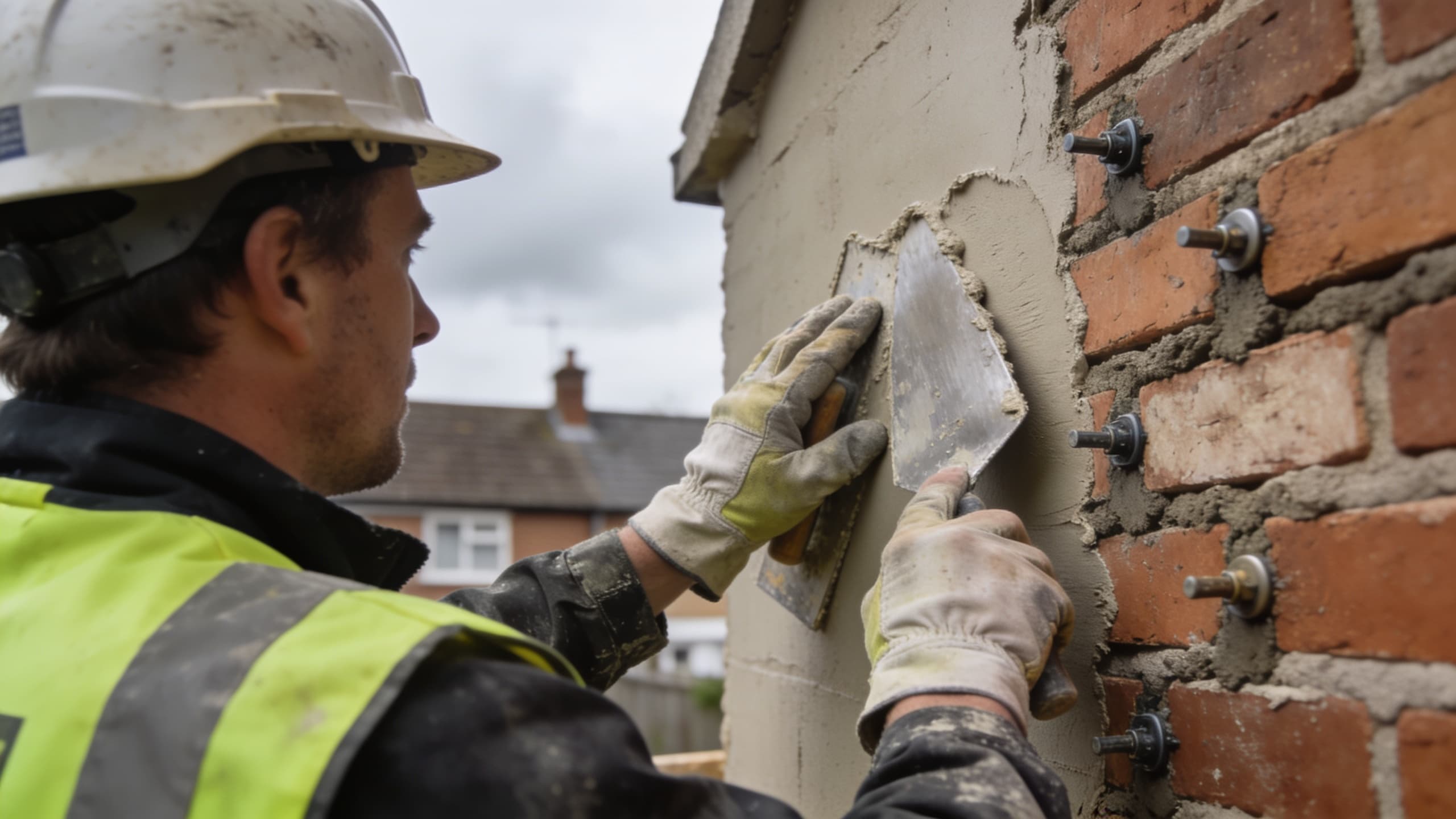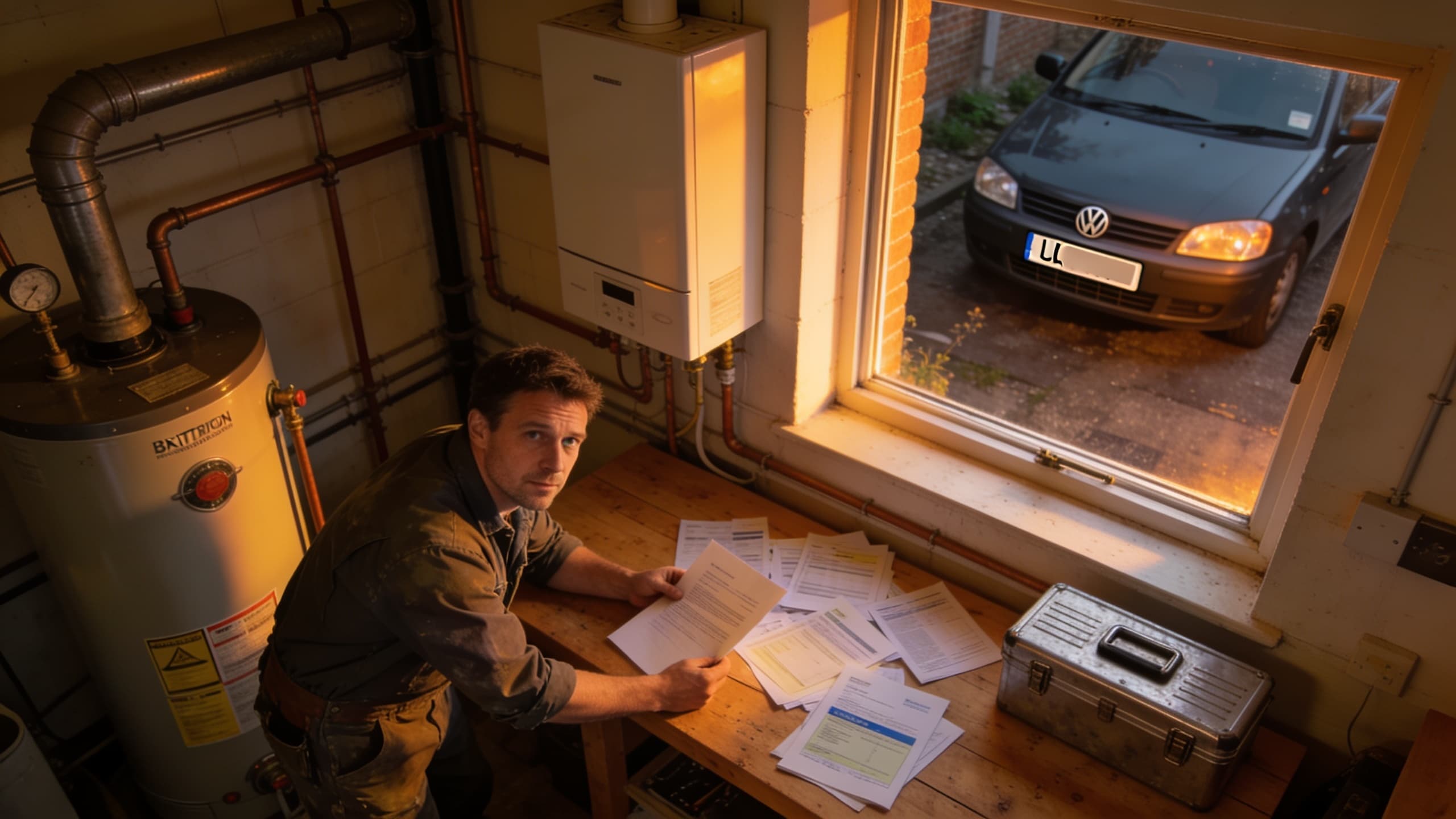
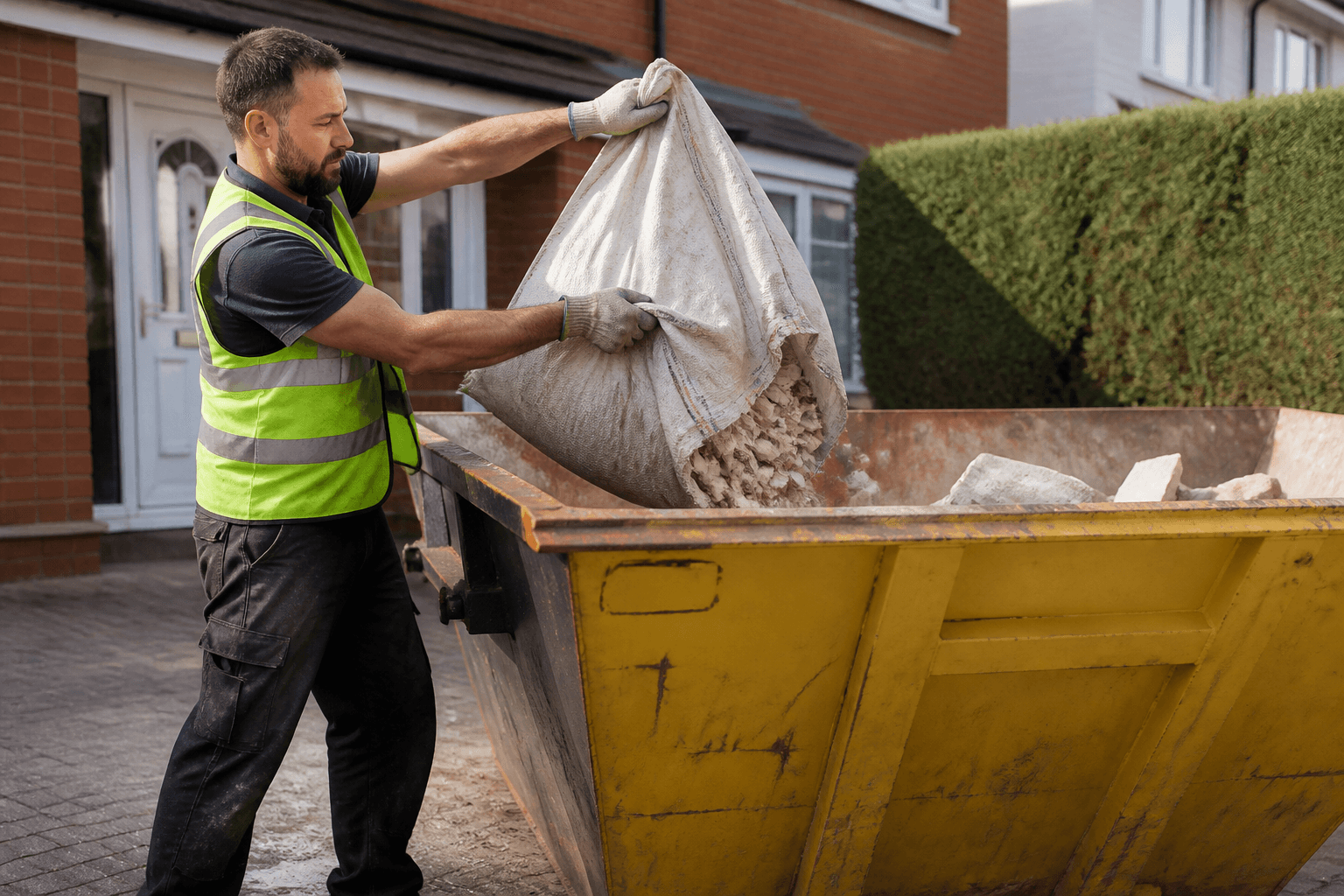
When a builder or other tradesperson creates waste while working at your home, that waste is normally considered to be theirs to dispose of, but you still have a responsibility to make reasonable checks. The Environment Agency explains that anyone who produces waste has a legal duty of care to make sure it is handled and disposed of correctly, and builders are firmly within that group. Understanding how the duty is split between you and the firm you hire lets you ask the right questions before any work starts.
Who carries the duty for building waste
Businesses must complete a waste transfer note for each load of waste that leaves their premises, check whether their waste carrier is registered to dispose of waste, and not allow that carrier to dispose of the waste illegally. Where a tradesperson produces the rubble, offcuts or stripped-out material, these are the obligations they need to meet.
The consequences of getting this wrong fall on the business as well. Not complying with the duty of care is a criminal offence. Construction and demolition waste can include hazardous material, for example asbestos, which needs special treatment.
Your separate duty as a householder
The code of practice distinguishes the business duty from the one that applies to homeowners. A separate duty of care applies to householders, meaning occupiers of a domestic property. In Scotland, that householder duty means ensuring that household waste produced on the property is only passed to a waste transporter registered with SEPA, the Scottish regulator.
Because the business is the one generating the waste from its work, it is sensible to agree the disposal method before the job begins rather than when the skip is full or the rubble is stacked outside.
What to check before you hire
Use this checklist when you get quotes:
- Disposal plan: Check what the tradesperson's plans are for the recycling or disposal of waste, and that the cost is included in their quote.
- Carrier registration: Ask for the registration number of any carrier used and check it is registered to dispose of waste, using the Environment Agency's public register.
- Paperwork: Ask for a waste transfer note for every load, and confirm it will be provided to you in writing.
- Hazardous material: Ask how any asbestos or other hazardous waste will be classified, handled and documented before work begins.
- Written terms: Put the disposal arrangement into the quote so it is clear who is responsible for removal.
Records and what drives the cost
Keep records once the work is finished. The Environment Agency advises that a waste transfer note be kept for two years, and a consignment note for hazardous waste be kept for three years. These records show where the waste went and who handled it.
The price of removal depends on factors such as the type and amount of waste, whether it is hazardous, and whether the tradesperson has already included disposal in their quote. Confirm the figure with the company or your local council before you book, as charges are not standard across the country.
If you need a firm to clear or remove waste, Browse trade services on GetBrent, or look at tradespeople and clearance firms in London, to compare local options and request a quote direct.