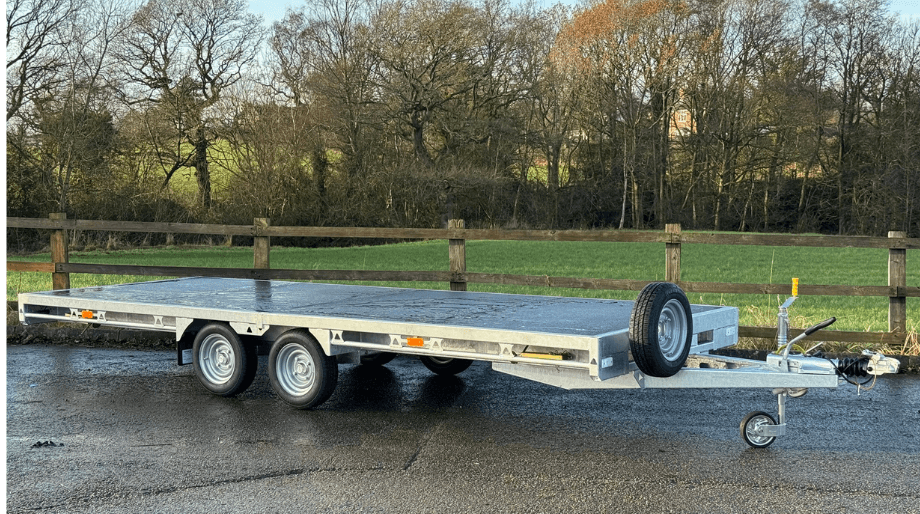
You can tow a boat trailer only if your licence covers it, the loaded combination stays within your vehicle's manufacturer limits, and the trailer is roadworthy, with legal tyres, working brakes and working lights. Checking these points before you book saves disappointment on the day and reduces the risk of driving unlawfully or unsafely. This guide sets out what to check, in the order most people need it.
Check your licence first
The Highway Code states that you must not tow more than your licence permits. If you passed your car driving test on or after 1 January 1997, the Highway Code also restricts the weight of trailer you can tow, so your licence entitlement needs checking before anything else. Look at the categories listed on your photocard or check them online, and do not assume that a full car licence covers every trailer. If you are unsure, ask the hire firm to confirm the trailer's weight and check it against your entitlement.
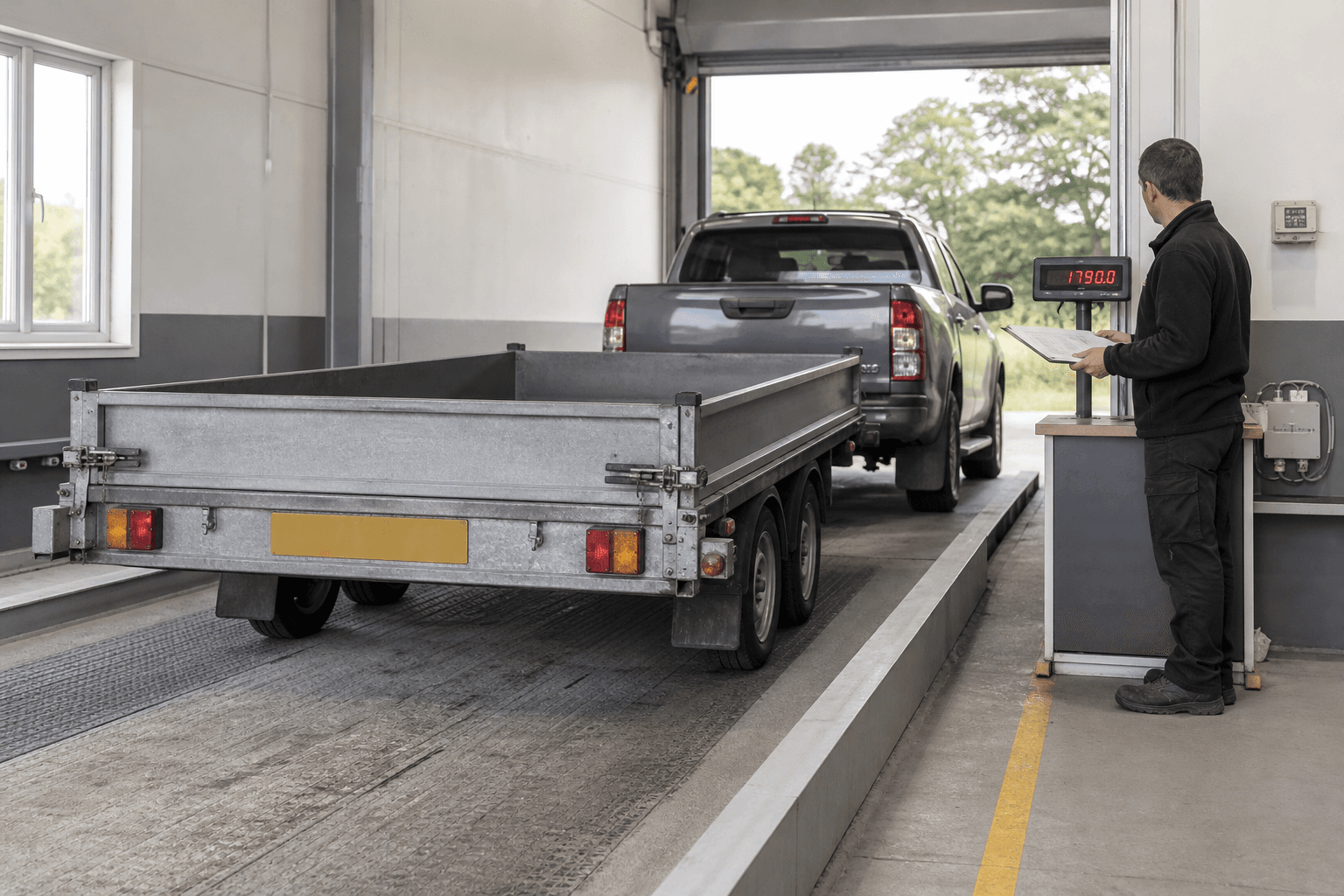
Your licence is only half the picture. The Highway Code says you should not tow a weight greater than that recommended by your vehicle's manufacturer. A boat trailer can look modest when empty, but once the boat, engine, fuel and equipment are on board, the combined weight can rise quickly. Find your vehicle's recommended maximum trailer weight and tow ball load in the handbook, then compare it with the trailer's maximum authorised mass and its loaded weight.
Once you have those figures, you can browse boat trailer listings with confidence about the weight you need to match.
Check the trailer before you leave the yard
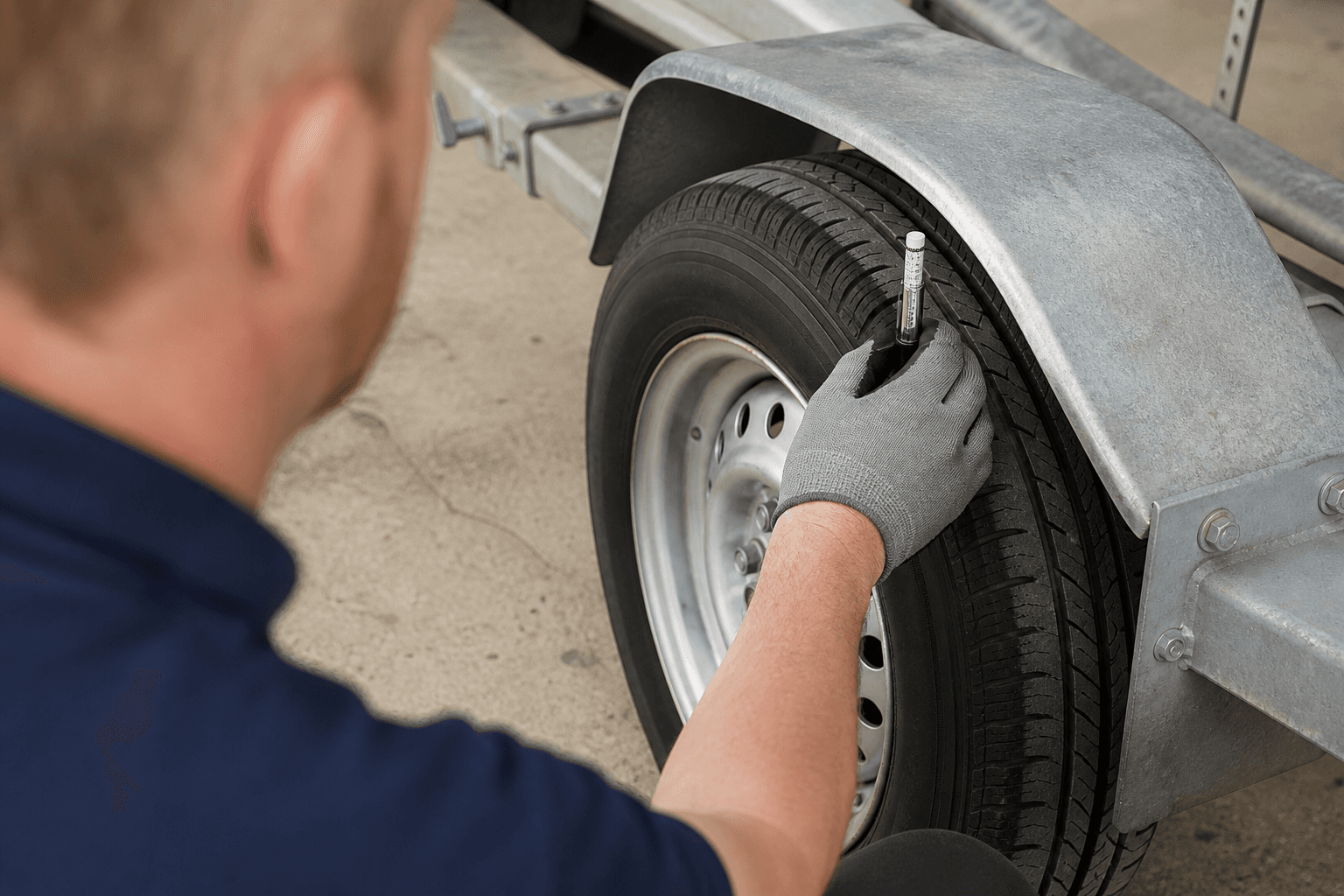
The Highway Code says you must make sure that both your vehicle and your trailer are in a roadworthy condition. Walk around the trailer with the hire firm and check the following points before you accept it:
- Tyres: the Highway Code requires all tyres to be legal, so check tread depth, condition and pressure, including any spare.
- Brakes: the trailer braking system must be in full working order. Ask the firm to show you that the brakes operate.
- Lights: all trailer lights must be working correctly. Test the indicators, brake lights and rear lights with a helper before you set off.
- Ask whether the trailer is registered and whether its plate is fitted.
Do not be afraid to refuse a trailer that fails these checks. A firm that operates responsibly will expect you to raise faults before you leave.
Load and tow the trailer safely
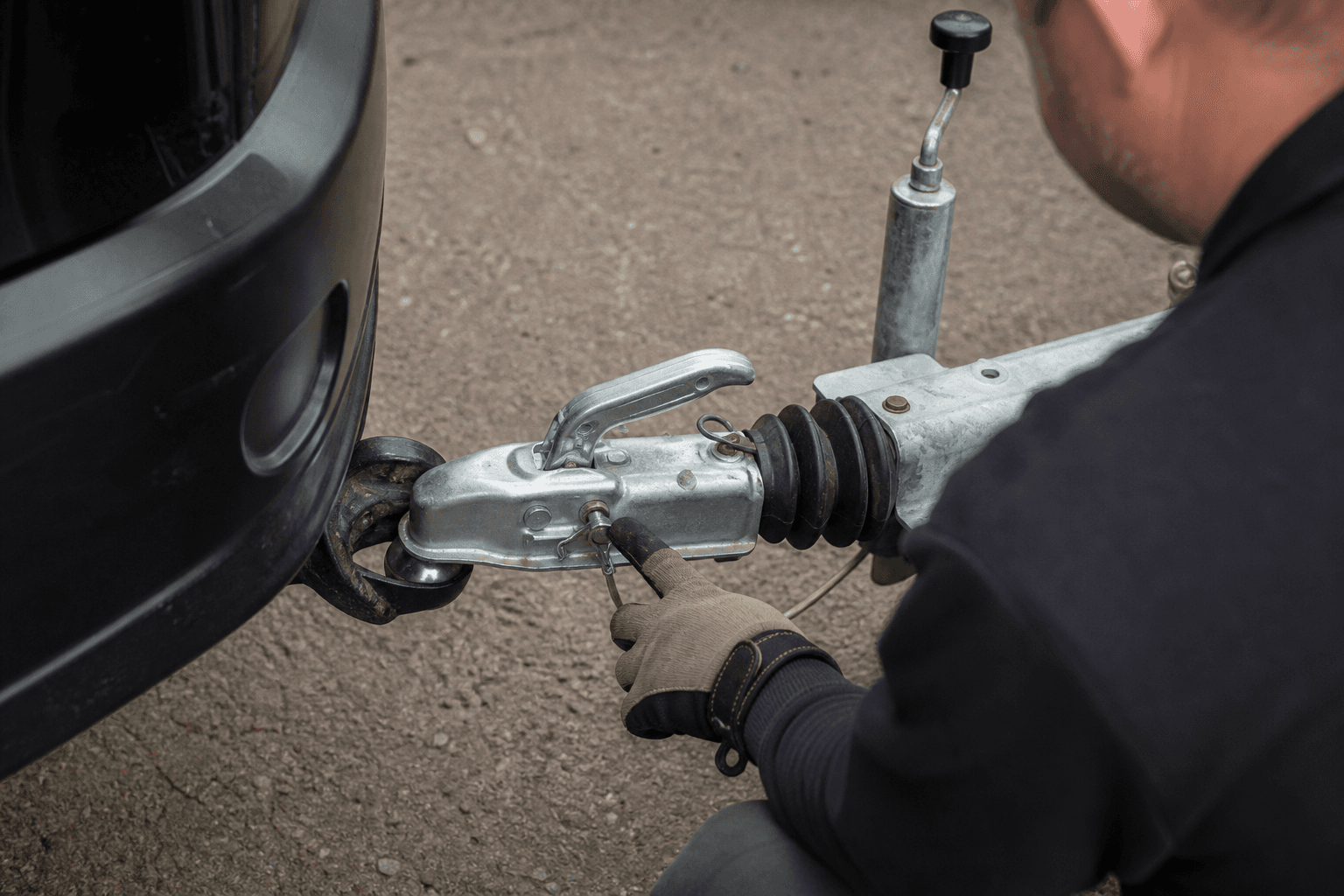
The Highway Code states that you must not overload your vehicle or your trailer, and that you should not tow a weight greater than the one your vehicle manufacturer recommends. The manufacturer's recommended trailer weight and tow ball load should not be exceeded. Distribute the weight evenly, with heavy items over the axle(s) and a downward load on the tow ball. A trailer that is loaded from the back, or that pushes too heavily on the tow ball, can make the outfit unstable.
Visibility is also a legal requirement. The Highway Code says that towing mirrors must be used if your vehicle is narrower than the trailer or its load, or if the trailer or load obstructs your view to the rear. Fit them before you move off, and set them so that you can see clearly along both sides of the trailer.
Finally, allow for a longer stopping distance. The Highway Code warns that your stopping distance may increase significantly when towing, so leave more space and brake earlier than you would without a trailer.
Practical checklist before you drive off
- Confirm your licence entitlement against the trailer's weight.
- Check the vehicle's recommended maximum trailer weight and tow ball load.
- Walk around the trailer and check the tyres, brakes and lights.
- Confirm whether the trailer carries its own registration plate.
- Load the boat and kit so that the weight sits over the axle or axles.
- Fit towing mirrors if your view is narrowed or obstructed.
- Test the brakes and lights again after the first short drive.
Ask the hire firm the right questions
Before you pay, ask the firm to confirm the trailer's maximum authorised mass and its unladen weight, whether it is registered, and what condition report or handover check is included. Ask who is responsible for damage to the trailer and to the boat during hire, and what happens if the trailer develops a fault on the road.
Hire charges vary, and this guide does not give figures. Confirm the figure with the company before you book, and ask for the terms in writing.
Start with the trailer hire category on GetBrent to find a firm near you.