On-site storage suits a container when you have a level, private and accessible space to keep it, while off-site storage suits you when that space does not exist or the container is only needed now and then. The deciding factors are who controls the ground, how often the container moves, and who carries the permit and handling duties. This guide explains what changes between the two options and what to check before you commit.
What the two options mean
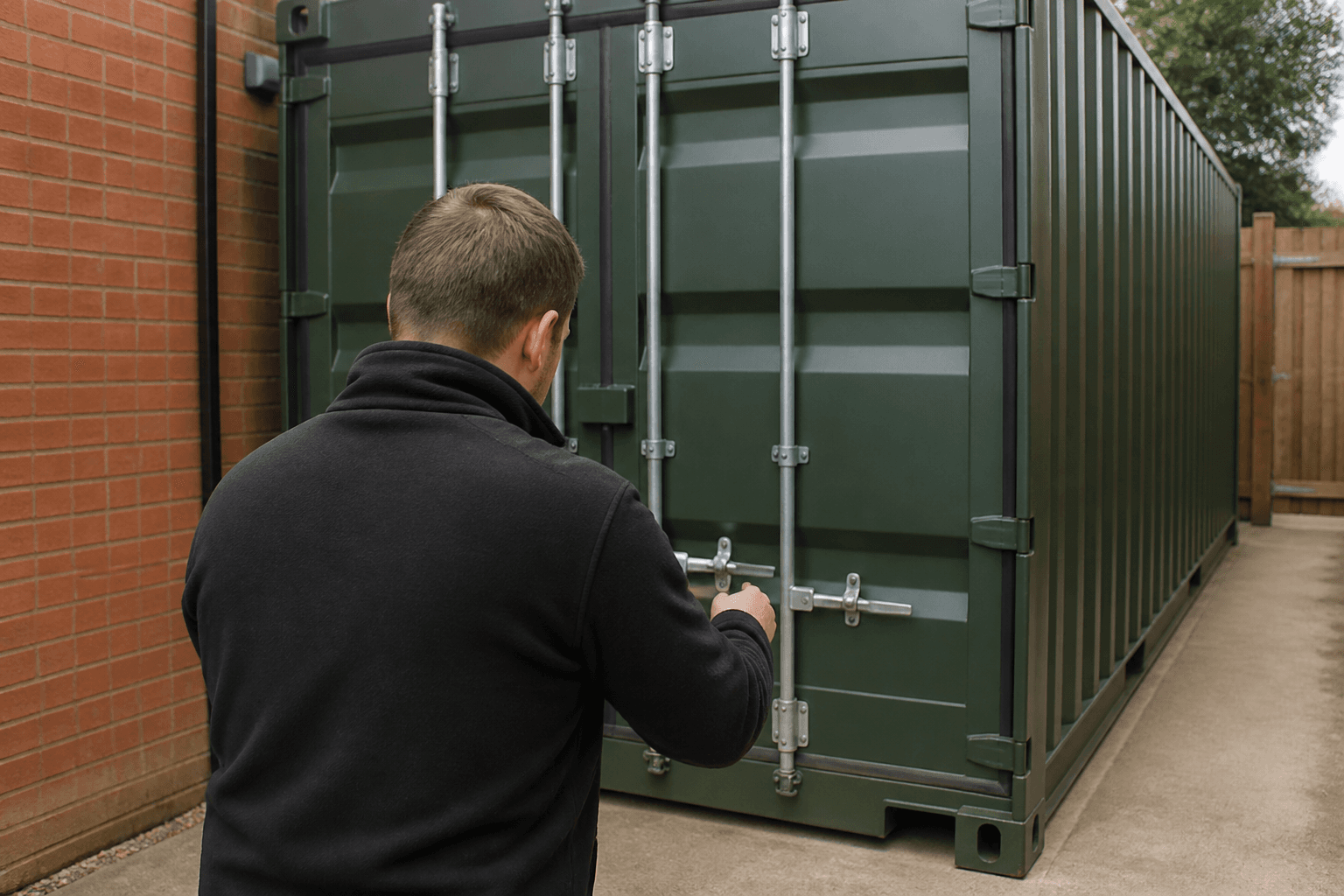
On-site storage keeps the container on land you occupy, such as a yard, a works or a private driveway. Off-site storage places the container at a storage provider's location, so you arrange delivery, collection and access when you need the unit. Both can work well. The right choice depends less on the container itself and more on the ground, the access and how often the box has to move.
On-site storage: permits and placement
The first question is whether the container will stay entirely on your own land or touch the public road. Bristol City Council's guidance treats a permit as a precondition for any skip on a public road or highway, and it extends the same approach to skip bags and roll-on roll-off units. Applications are expected at least five working days before the unit is due on the road. The council also explains that usually only one skip is allowed per 20 metre stretch of the highway .
North Yorkshire Council's permit rules add further conditions. Only registered skip hire companies can apply to place a skip on the highway. The council also warns that if the situation is not immediately resolved, it will remove the skip and begin legal proceedings against the skip operator.
On-site storage: lifting and handling
Moving a container on site means lifting, and the Health and Safety Executive's guidance sets out the framework. The Lifting Operations and Lifting Equipment Regulations (LOLER) apply to lifting equipment, and they cover situations where workers or relevant self-employed people use it at work. The Provision and Use of Work Equipment Regulations also reach those who hire it out to be used by others.
HSE's planning guidance expects the plan to address the foreseeable risks involved in the work and identify the appropriate resources, including people, necessary for safe completion of the job. Equipment should be of adequate strength for the proposed use. On the equipment side, HSE advises using only certified lifting equipment, marked with its safe working load, which is not overdue for examination. Where there is doubt, the advice is clear: never lift a load if you doubt its weight or the adequacy of the equipment.
Off-site storage: what changes
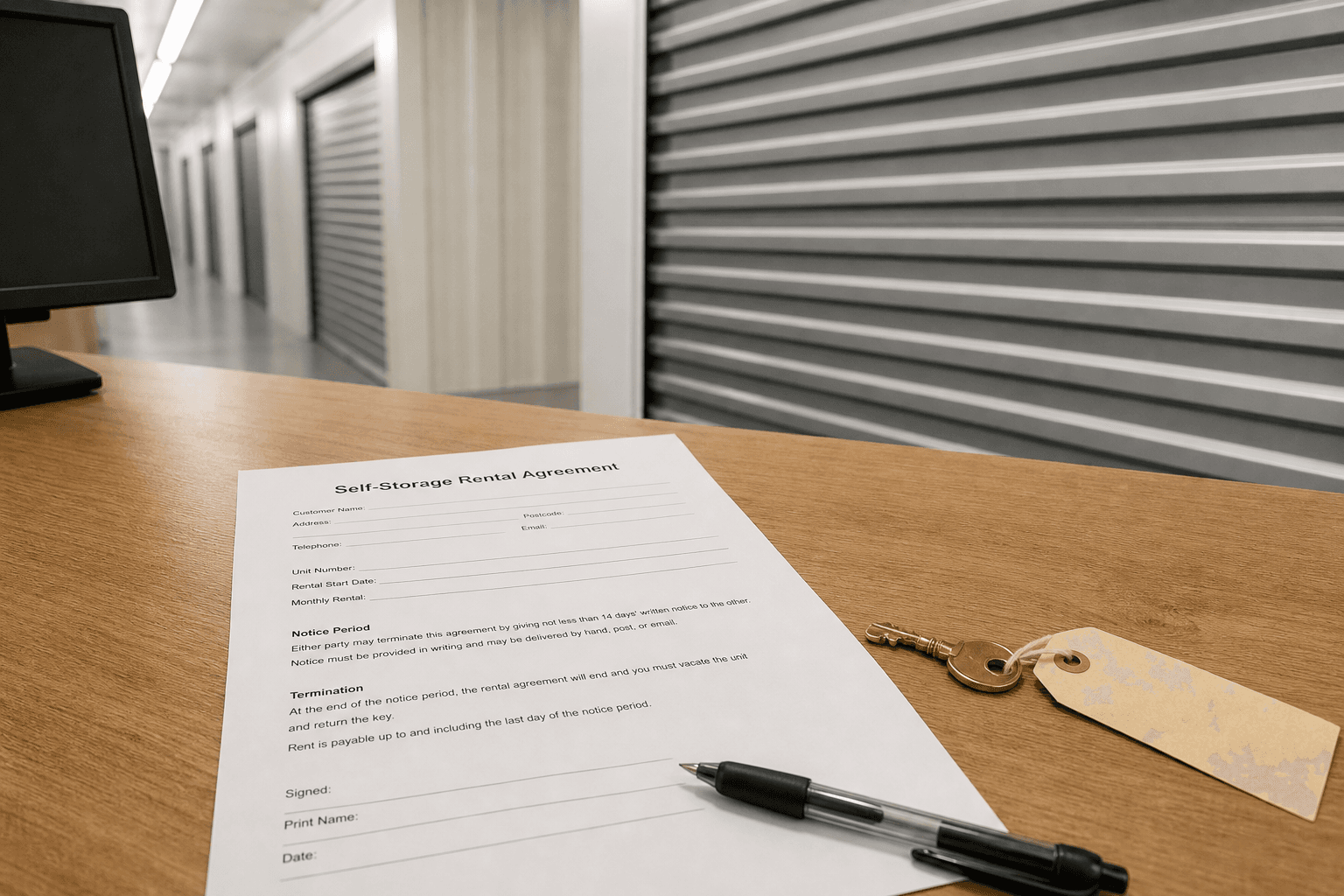
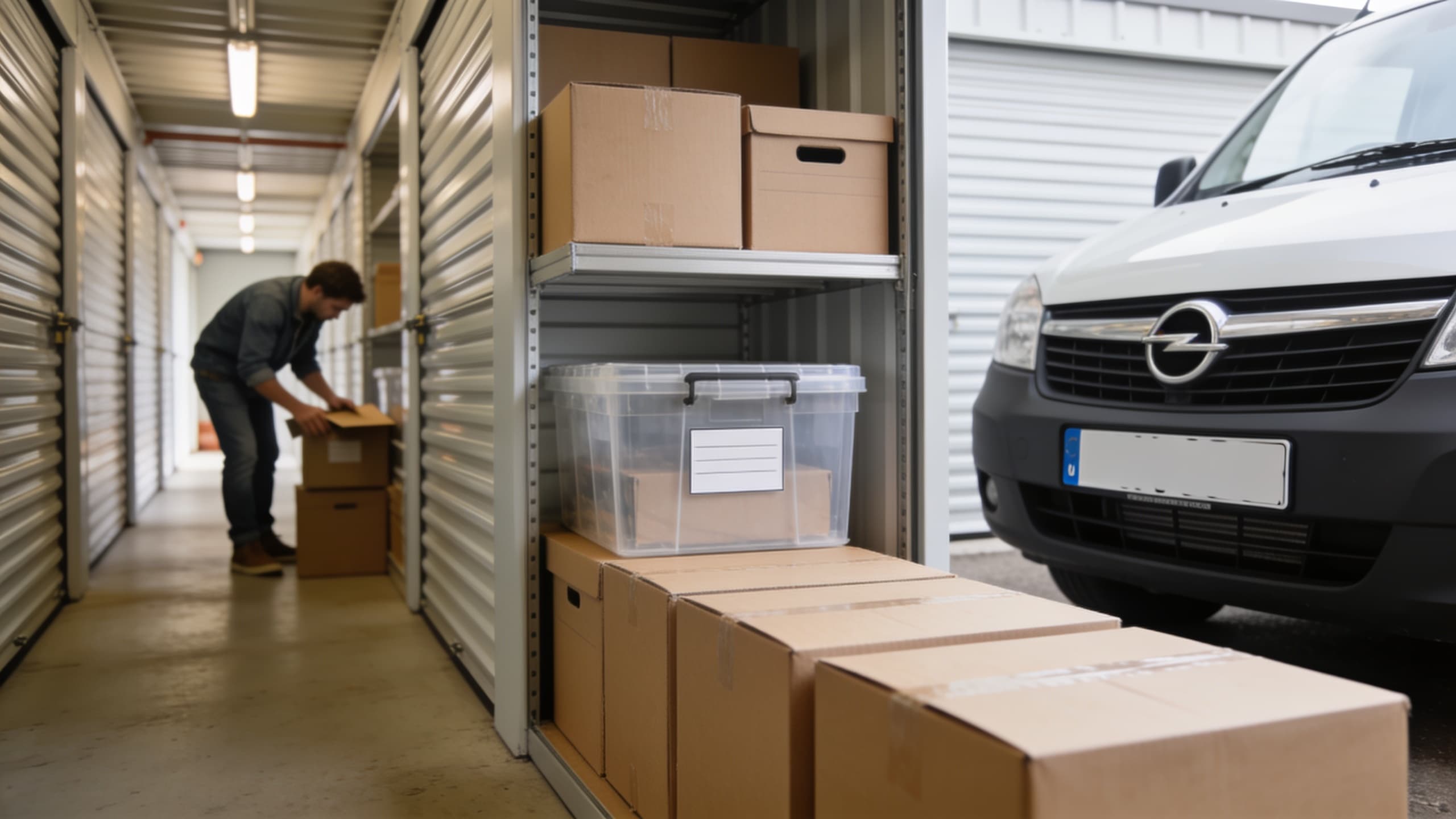
Off-site storage removes most of the placement work from your site. The provider holds the unit, so the questions shift to access hours, security, the route for deliveries and collections, and how quickly a unit can be reached when you need it. If you are comparing options, a container storage search in London or Tilbury will show you how providers present their terms. Read the access and notice arrangements closely, because they decide how practical the set-up is day to day.
Off-site also means a second leg of transport each time the contents or the box are needed. Consider whether that trip, and any lifting at the far end, is cheaper or more convenient than keeping the box at home base.
What drives the cost
Costs vary widely, and the drivers are consistent. Hire rates also differ between companies, so confirm every figure directly with the company or the council before you agree anything.
Checklist before you choose
- Confirm whether any part of the container will sit on the public road, pavement or verge, and if so, who will apply for the permit.
- Check that the ground is level, firm and clear of overhead hazards, and that there is room to deliver and collect.
- Ask who will lift the container, and whether the lifting plan covers the load, the equipment and the people involved.
- Check that any lifting equipment is certified, marked with its safe working load and within its examination date.
- For off-site storage, confirm access hours, security, notice periods and how many moves are included in the arrangement.
- Get a written quote that lists every charge, and confirm it with the company or council.
Both options can be sound, so compare them on ground, permits, handling and total movements rather than on the container alone. You can browse storage providers and find local hire companies near you, then check their terms before booking.