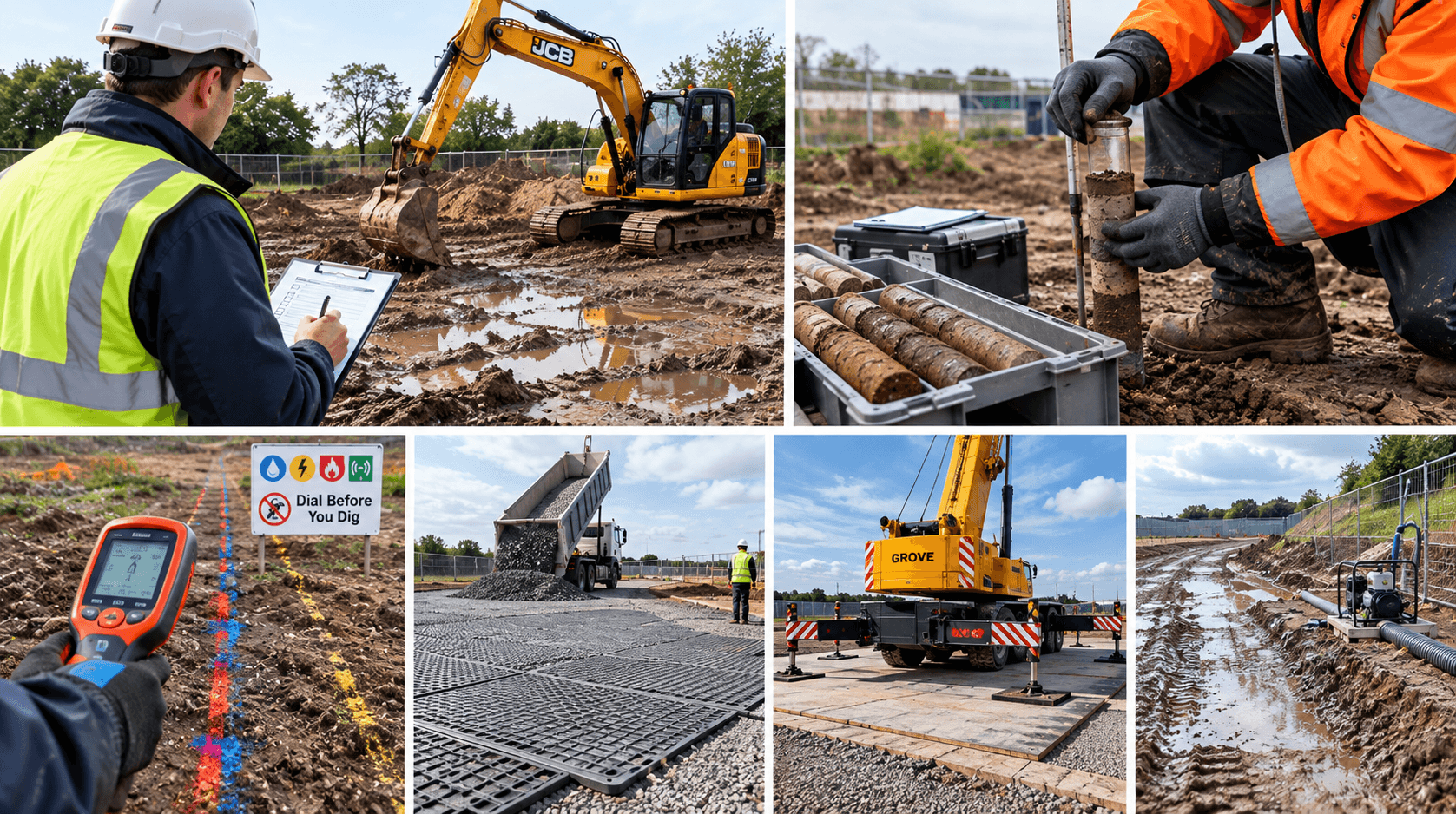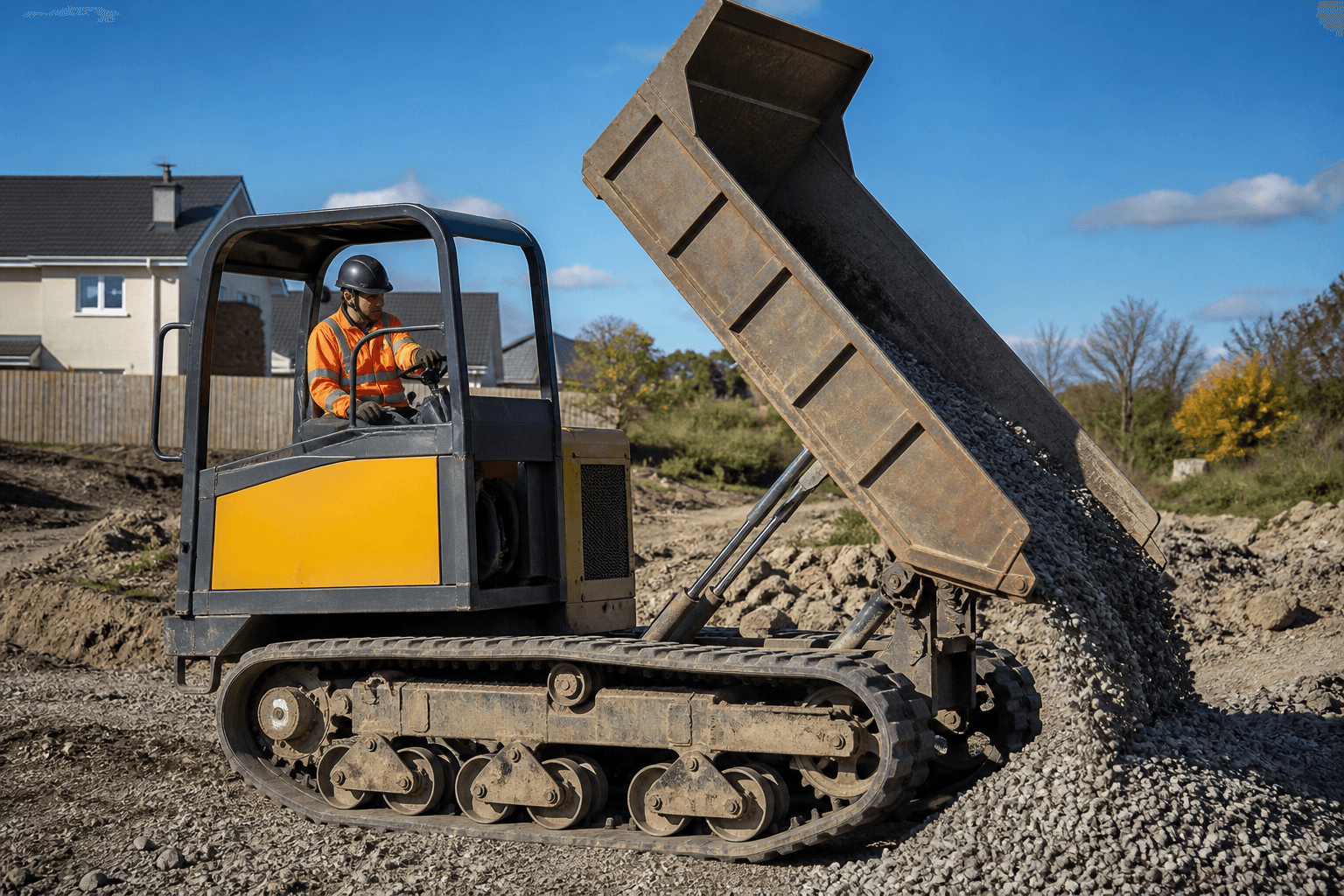
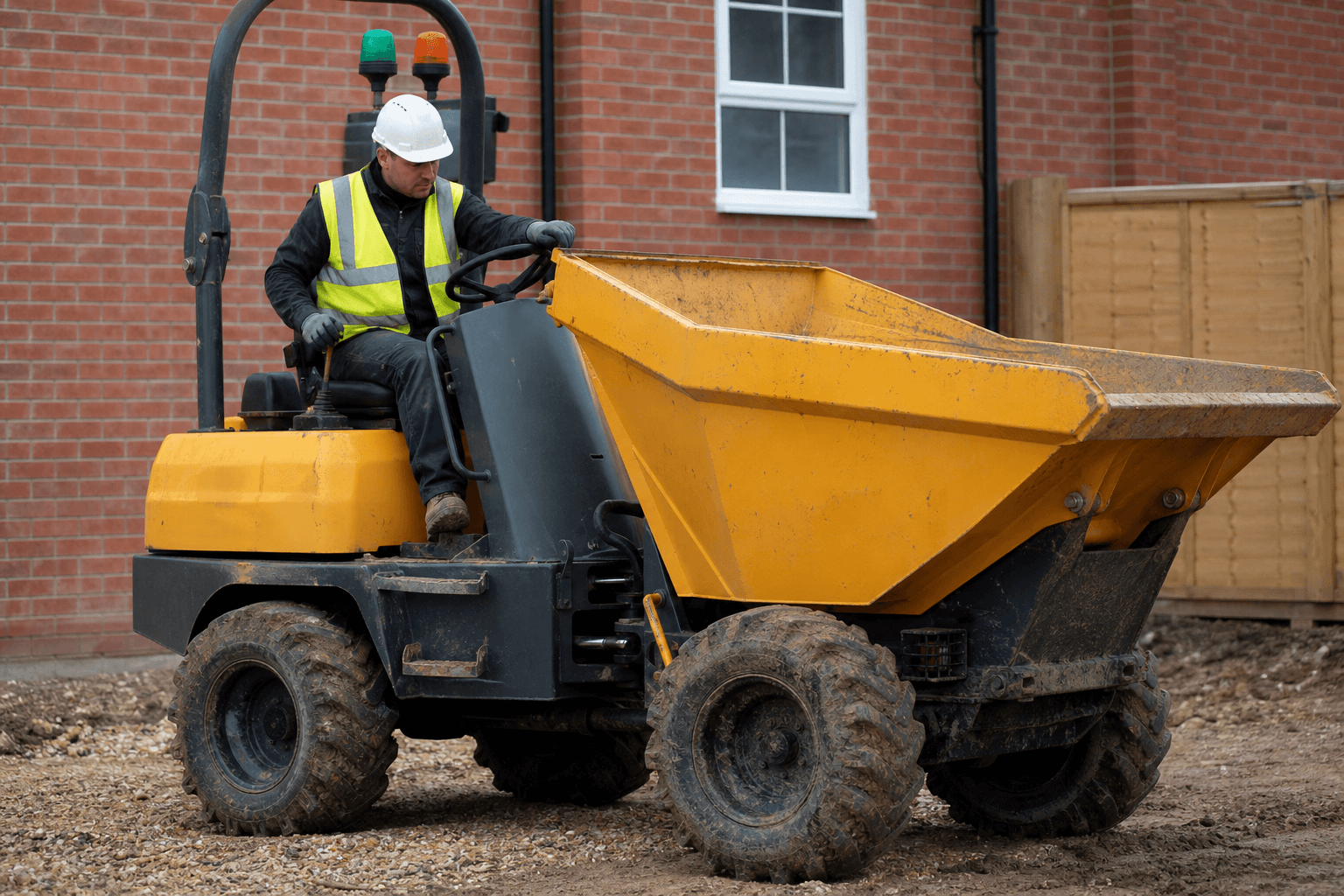
The pages reviewed do not address dumper licensing; they cover car and trailer licence categories for public roads. The answer depends almost entirely on where the machine will be driven, so confirm the route before you book.
On a private site: competence, not a licence
On the public road: a licence and a road-legal machine
The position changes once the machine leaves private land. Category B covers vehicles up to 3,500 kilograms maximum authorised mass with up to eight passenger seats. Because the category depends on the specific machine, check the weight plate with the hire company rather than assuming.
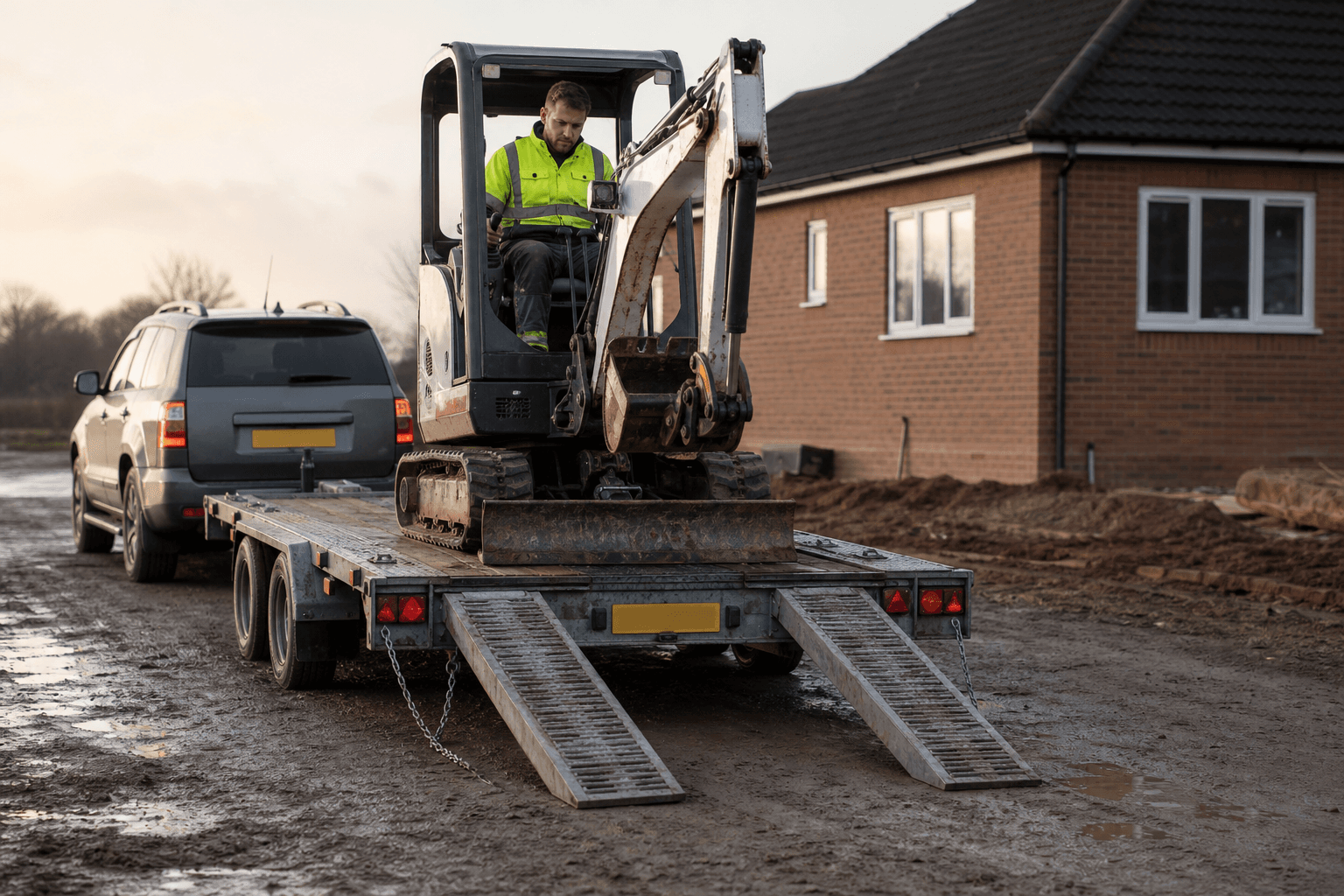
Trailers follow the same weight logic. For a standard car licence, the GOV.UK guidance summarised by a towing guide states that you are "usually allowed to drive a vehicle and trailer combination up to 8,250kg maximum authorised mass (MAM)" for licences from before 1997, while later licences follow the category limits. If your dumper is carried on a trailer, the combined weight matters as well as the dumper's own weight.
Who is responsible for safety under a hire agreement
Hiring does not hand all safety duties to the customer. People hiring out or supplying equipment as part of a work activity, such as plant hire companies and landlords of premises with fixed equipment, also have continuing responsibilities for the safety of those using that equipment, under section 6 of the HSW Act and other health and safety law. These responsibilities include the maintenance of all work equipment, the inspection of equipment which may be subject to deterioration, and the statutory examination of certain equipment . The customer's share covers how the machine is used on site.
Checklist before you collect a dumper
- Confirm where the machine will run: private site only, or any public road.
- Ask the hire company for the machine's weight and whether it is road-registered, taxed and insured if it will leave private land.
- Check that each operator holds the licence category and any site card the job requires.
- Check the trailer weight and combined weight if the machine will be towed.
- Ask who arranges and pays for thorough examinations, and make sure the contract says so.
- Record any existing damage at collection, so the hire terms are clear on return.
If you are unsure whether a machine can be driven on a road, the safest option is usually to have it delivered.
Use GetBrent to compare plant hire companies and dealers near you, or search for plant hire in London if your project is in the capital. Contact each firm directly to confirm the machine's weight, road status and operator requirements before you book.