Digging on your own land
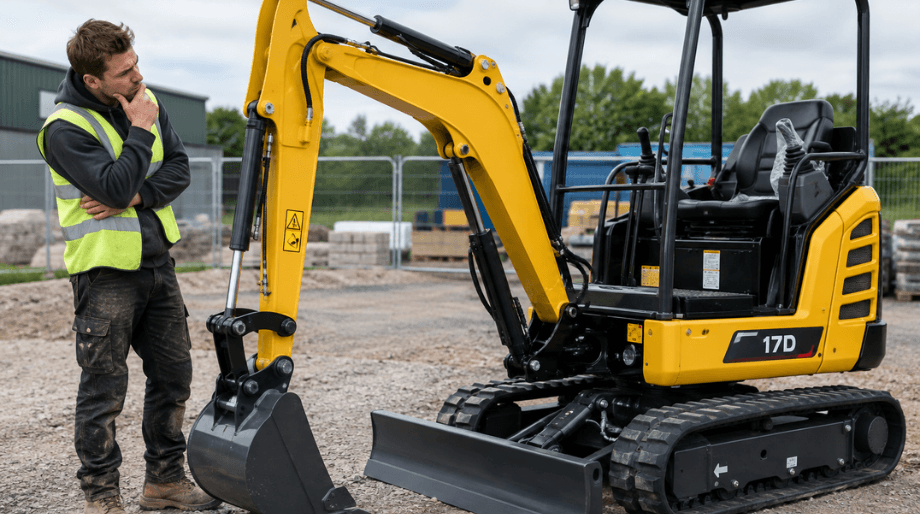
Hire companies will usually talk you through the controls when the machine is delivered, and some ask you to confirm you are confident using one. If you have never used a digger before, ask for a proper demonstration, start slowly on level ground, and keep everyone well clear of the arm and the swing of the machine.
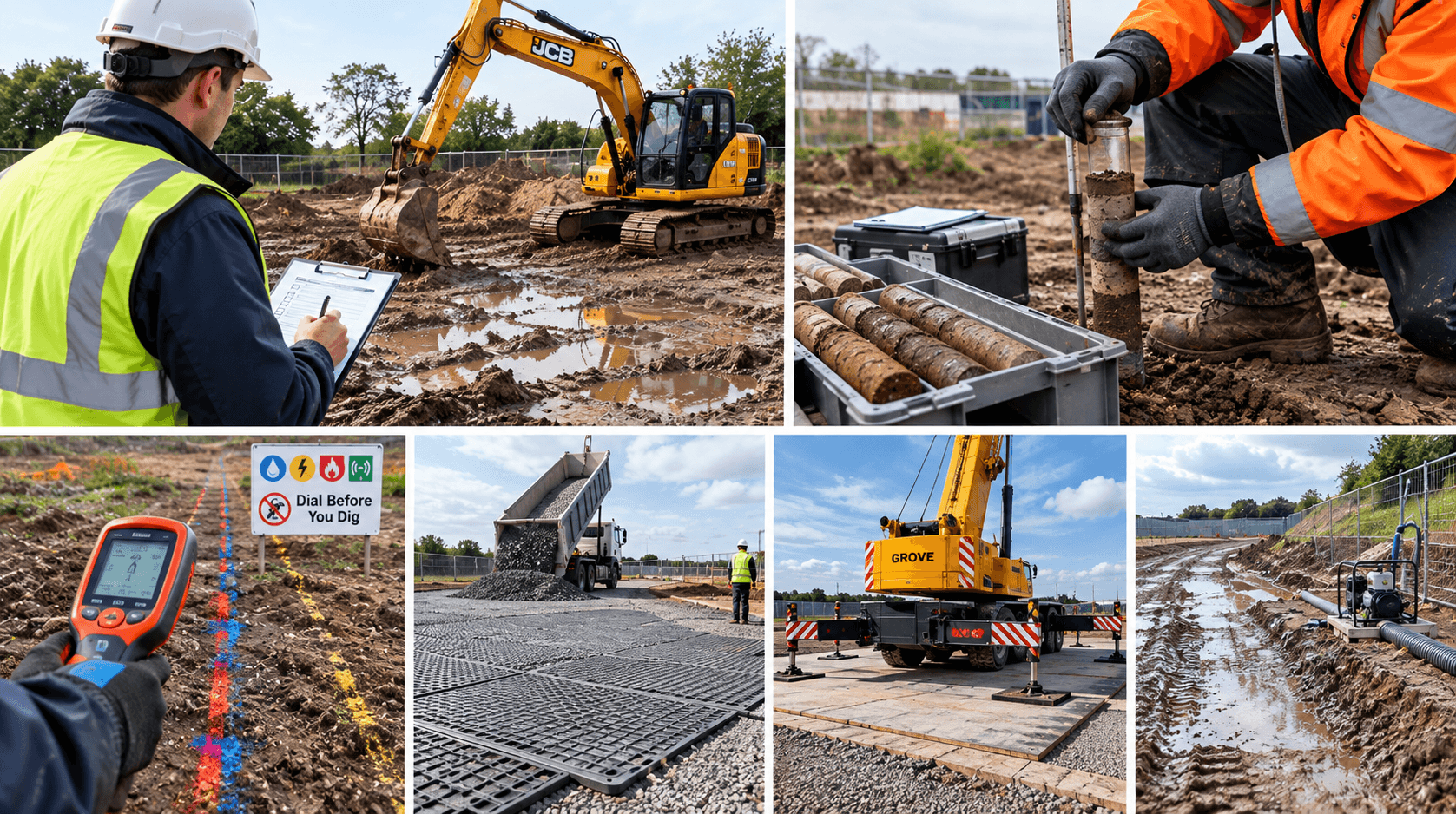
Before you dig, find out where underground services run. Gas, water and electricity cables and pipes are often shallow, and hitting one is dangerous as well as expensive.
Using a digger at work
At work, the law that applies is the Provision and Use of Work Equipment Regulations 1998 (PUWER). It says employers must make sure everyone who uses work equipment has received adequate training for health and safety. PUWER requires employers to ensure that everyone who uses work equipment has received adequate training, including training in the methods, risks and precautions for its use.
If you do not have a card
This is also a sensible choice for bigger or trickier jobs at home, such as digging near buildings, on slopes or close to underground services.
Getting the digger to the job
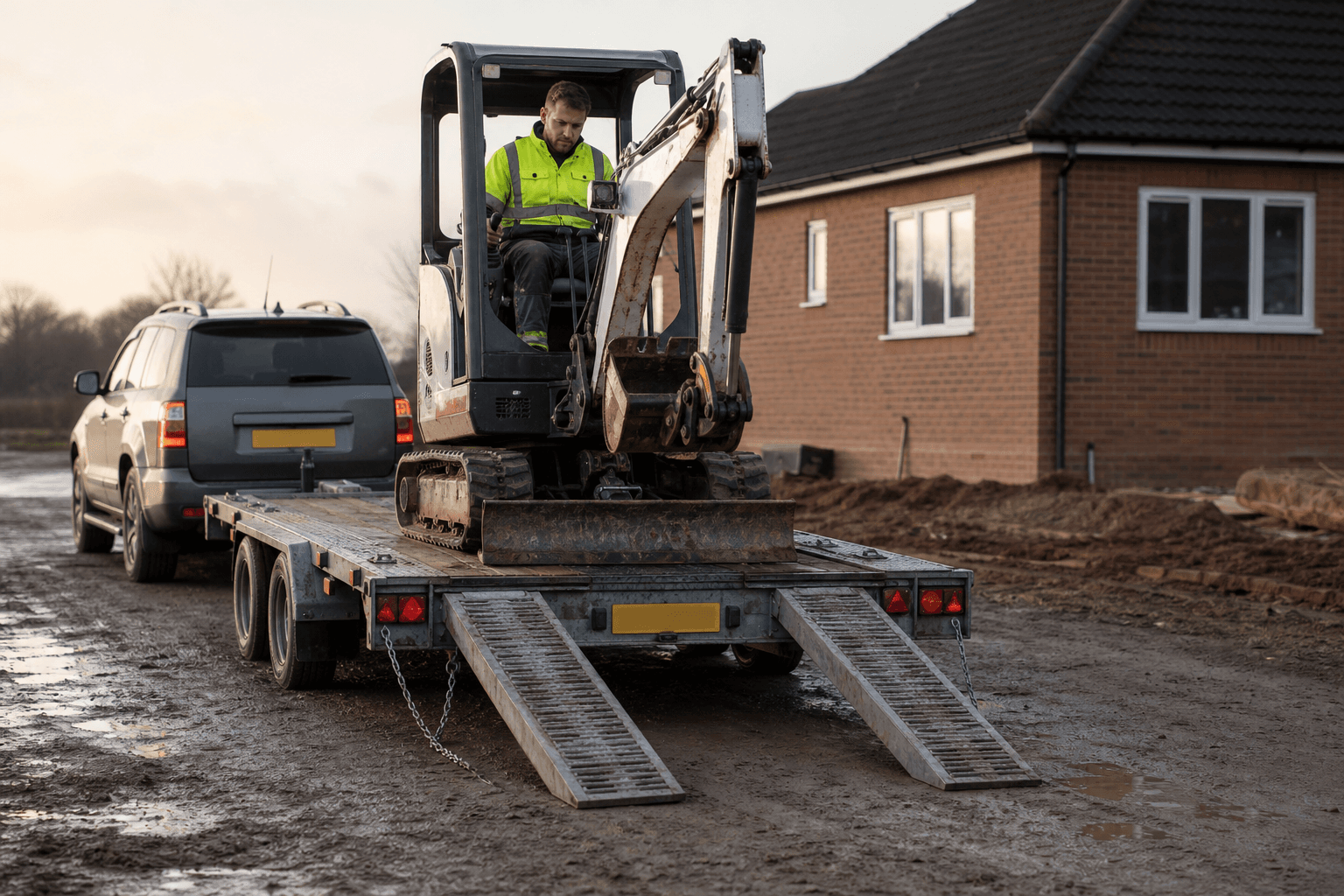
Towing a mini digger on a plant trailer is a separate question from operating it. If you got your licence from 1 January 1997, you can tow a trailer that weighs up to 3,500kg MAM (category BE), and the MAM is listed in the owner's manual and is normally shown on a plate or sticker fitted to the vehicle or trailer. Many hire firms deliver and collect, which removes the question altogether.
Before you book
- Decide whether you will operate the digger yourself or need an operator
- If the work is on a construction site, ask the site which card it requires
- Ask the hire firm for a handover demonstration if you are new to diggers
- Check where underground services run before you dig
- Check whether delivery is included, or whether your vehicle can legally tow the digger and trailer
You can compare plant hire companies across the UK on Brent, including firms that hire diggers with or without an operator.