Neither JCB nor Kubota is ranked better in the sources this article relies on, so the right mini excavator for a job depends on the work, the machine's size and configuration, and the paperwork the hire company can provide. Choosing well means looking past the badge to the operator competence, inspection records and transport arrangements that govern any machine on site.
Start with the job, not the brand
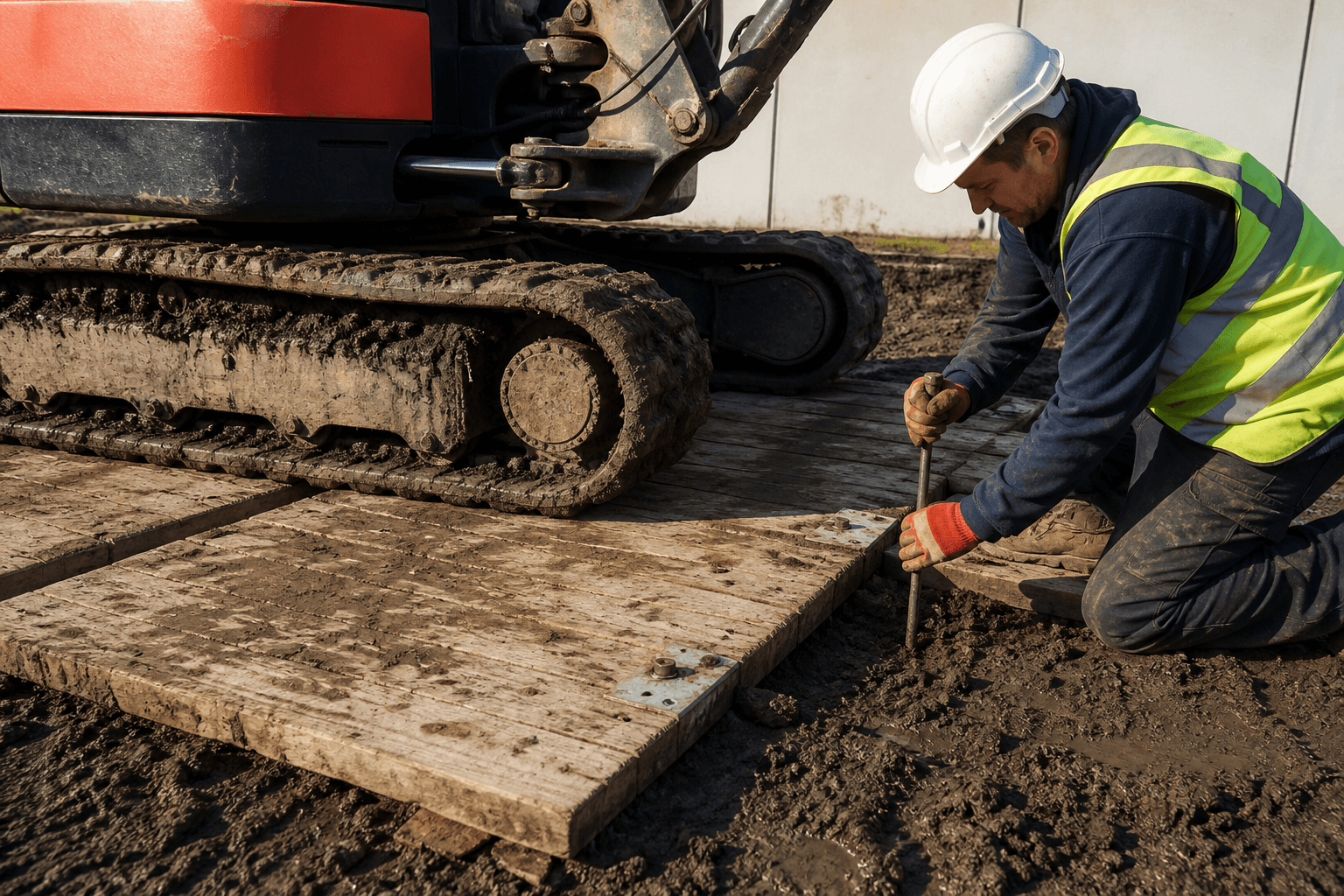
Before comparing machines, define the task. A compact machine suits trenching in a tight garden or a small site, while a larger model may be needed for heavier digging or for lifting. Note the access route, ground conditions and whether the machine must fit through a gate or on a trailer. The hire company should be able to advise which configuration suits the work, and the hirer should be clear about what the machine will be used for.
The Health and Safety Executive (HSE) states that mini digger hire in London and elsewhere carries the same basic duty: those hiring out equipment For that reason, ask the supplier what the machine will be used for, because
Operator competence and training
Whichever make you choose, the person at the controls matters more than the logo.
Where there is any doubt about whether an operator has the right training, do not start work until it is resolved.
Inspection, maintenance and records
Those hiring out equipment also have responsibilities under PUWER, and under LOLER where lifting equipment is involved, insofar as they exercise control over it.
Responsibility is shared, though. HSE notes that, unless it is part of the hire agreement, those hiring out work equipment cannot normally be responsible for the day-to-day and other pre-use safety checks, which the user should undertake.
Checklist before you accept a machine
- Ask for written confirmation of the machine's inspection and maintenance status.
- Check that the hire agreement states who arranges and pays for thorough examinations.
- Confirm the operator's training matches the machine's configuration and any attachment.
- Look over the machine before use and report any defect to the hire company.
- Ask what the intended use is, and record the advice you receive on safe use.
Transporting a mini excavator
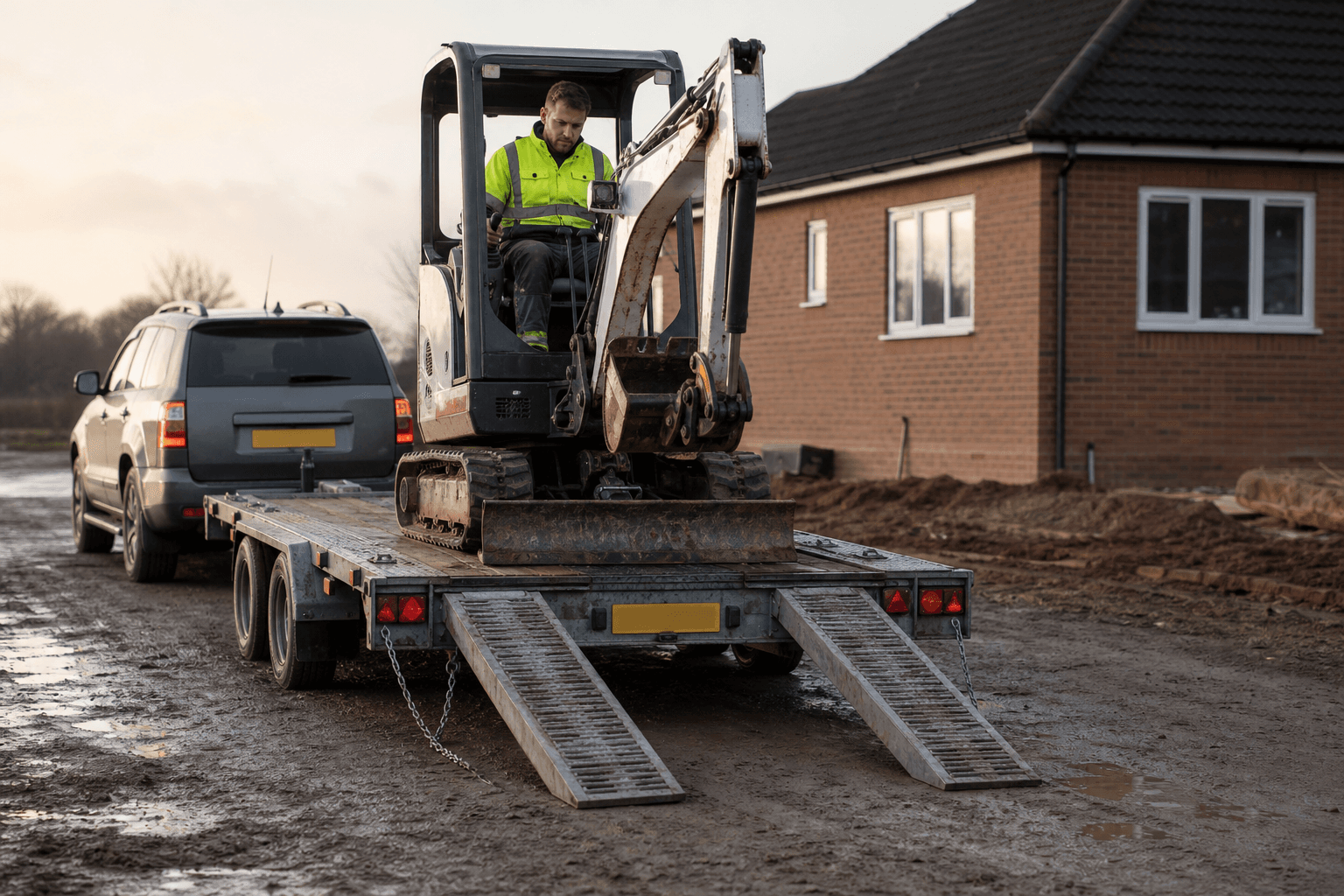
Getting the machine to site is often where things go wrong. Under the GOV.UK guidance on towing with a car, you need to know the weight of both the vehicle and trailer, known as the maximum authorised mass (MAM). If you passed your car test before 1 January 1997 you can usually drive a vehicle and trailer with a combined weight of up to 8,250kg MAM.
The Northern Ireland guidance from nidirect states that, on an ordinary category B licence, you are limited to vehicles up to 3.5 tonnes MAM towing a trailer up to 750kg MAM, or a combination up to 3.5 tonnes MAM. Check the position for England, Scotland and Wales on GOV.UK before booking. Many people also arrange a plant hire firm that can deliver the machine, which removes the towing question altogether.
Cost drivers and how to compare quotes
Hire cost depends on the machine's size, the hire period, delivery distance, attachments and the level of support included. Because rates vary by depot and company, compare the components of each quote rather than the headline figure, and confirm the final amount directly with the hire company. Ask whether delivery, collection, fuel and insurance are included.
If you are looking for a supplier near your site, mini digger hire in Edgware and mini digger hire in Gravesend are examples of the local search you can run. Whichever area you need, check the same things: the inspection records, the operator training, and the transport arrangements.
GetBrent lists local plant hire companies, so you can compare suppliers in your area, ask each one for its inspection records and training position, and confirm delivery and pricing before you commit. Always check the figure with the company you choose.