MOT advisories are recorded observations about your vehicle's condition that fall short of being a test failure. They highlight components or systems that are approaching the end of their safe working life, show early signs of wear, or need monitoring. Unlike a failure, an advisory does not prevent your vehicle from passing its MOT test - but it is a signal that maintenance or replacement may be needed within weeks or months.
The difference between an advisory and a failure
The DVSA (Driver and Vehicle Standards Agency) sets the standards for MOT testing across the UK. A failure means a component or system is defective, damaged, or worn beyond the legal limit for road use, and the vehicle cannot be driven on the road until it is repaired. An advisory, by contrast, identifies something that is not yet at the failure threshold but is heading that way.
For example, a tyre with tread depth of 2mm is at the legal minimum and may pass, but an advisory might note that tread is uneven or that wear suggests alignment issues. Brake pads with 3mm of material remaining may not be a failure, but an advisory flags that replacement should be planned soon. A small oil leak that is not yet a safety hazard will be noted as an advisory so the owner can arrange a repair before it worsens.
Common types of advisory and what they mean
Advisories often relate to wear items such as tyres, brakes, wiper blades, and bulbs. They may also cover suspension components, exhaust systems, bodywork corrosion, fluid leaks, and visibility issues. Some advisories are purely informational - for instance, a note that a vehicle uses non-standard parts, or that a warning light is illuminated but the underlying fault has not yet triggered a failure code.
The tester will explain what was observed and why it has been recorded. Always read the full advisory note on your MOT certificate, as the detail will clarify whether the issue is cosmetic, functional, or safety-critical.
What to do about advisories
Advisories should be taken seriously, even though they do not prevent your vehicle from being used. The longer you delay, the more likely the advisory will develop into a failure at the next MOT test, or worse, cause a breakdown or safety incident on the road.
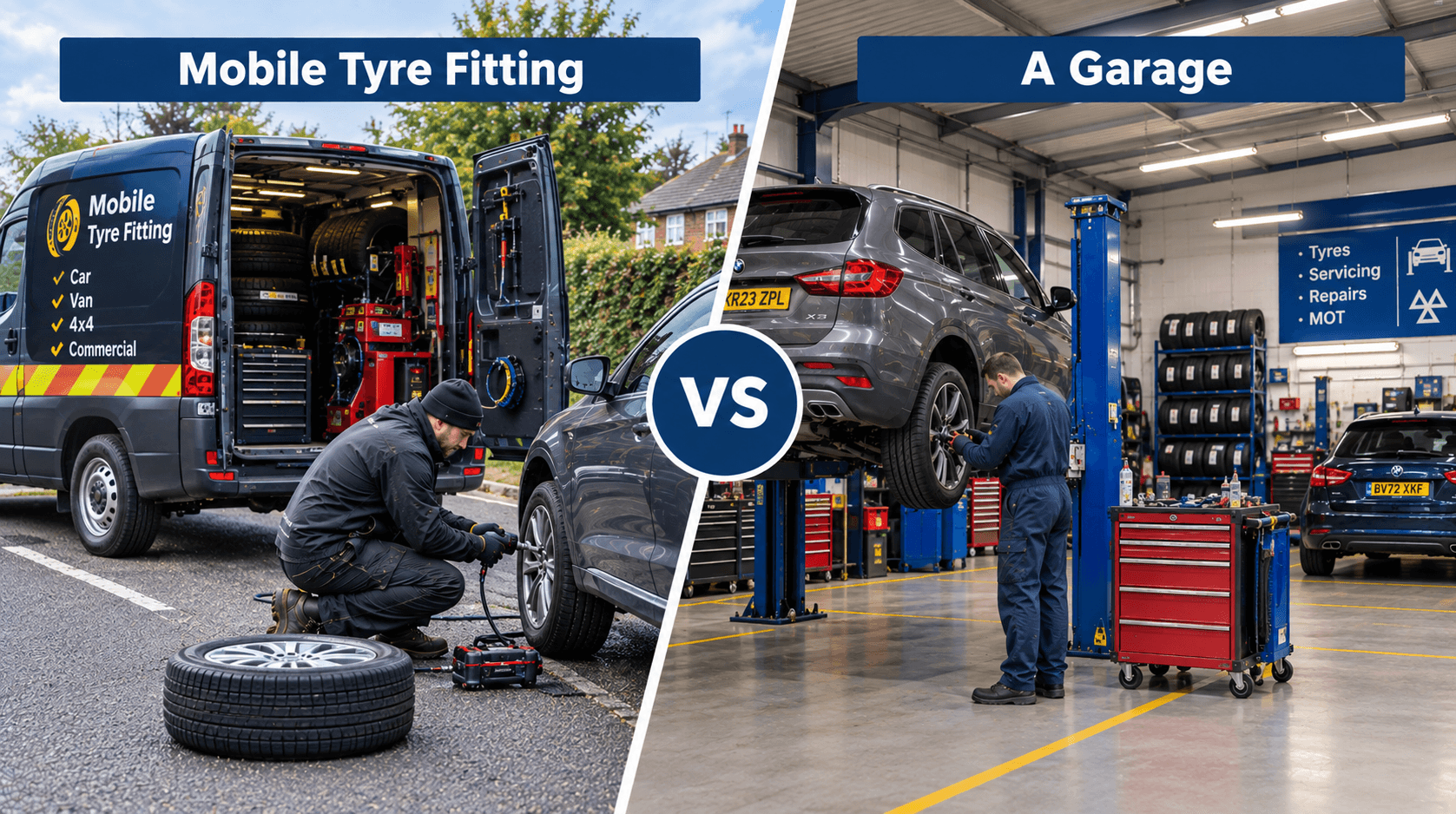
Start by contacting a qualified mechanic or repair garage. They can inspect the component or system in detail, explain the rate at which it is deteriorating, and advise whether repair or replacement is urgent or can wait a few months. For common wear items such as tyres and brake pads, a garage can often fit replacements quickly and at a reasonable cost. For more complex issues such as suspension wear or exhaust damage, allow more time and budget for diagnosis and repair.
If your vehicle is hired or used for business - such as a van or trailer - advisories warrant even faster action, since downtime or roadside failure will disrupt your work. Hiring companies and plant repair specialists can often arrange repair or replacement at short notice; explore options for vehicle and plant repair services in your area so you know where to turn if an advisory becomes urgent.
Checklist: acting on an MOT advisory
- Read the advisory note fully and note the component or system affected
- Contact a local garage or mechanic and describe the advisory in detail
- Ask the mechanic how quickly the issue is likely to worsen and whether repair is urgent or can wait
- Obtain a quote for repair or replacement
- Book the work at a time that suits your schedule and budget
- Keep the receipt and update your vehicle maintenance records
- Check that the issue is resolved at your next MOT test
Advisories and your next MOT
If you ignore an advisory, the same component or system may fail your next MOT test when it reaches the legal failure threshold. At that point, your vehicle will not pass the test and you cannot legally drive it on the road until the fault is corrected and the vehicle is re-tested. This is more disruptive and costly than acting on the advisory promptly.
Conversely, addressing advisories as soon as you receive them helps you maintain continuous MOT passes and keeps your vehicle safe and legal to drive. If you own or operate multiple vehicles or hire equipment such as trailers or vans, staying on top of advisories across your fleet reduces the risk of unexpected downtime.
GetBrent helps you find qualified repair garages, vehicle servicing firms, and plant maintenance specialists in your area. Whether you need a routine MOT, advice on an advisory, or a full repair, the GetBrent platform connects you with local tradespeople and hire companies that can help keep your vehicle or equipment roadworthy and compliant.