Operated plant hire supplies a machine together with a trained operator, while self-drive hire supplies the machine alone for your own people to run. The difference affects who carries certain duties under health and safety law. Both routes appear among plant hire listings on GetBrent, so it helps to settle which model you need before you compare firms.
What each option means in practice
With operated hire, sometimes called contract hire, the firm sends a person who runs the machine for the length of the job. That suits a one-off task, a machine you rarely use, or work that needs skills your team does not hold in-house. Self-drive hire, sometimes called bare hire, suits a site where your own operatives already know the machine and can run it without a third party. Self-drive also means you carry more of the planning, from checking the machine on arrival to arranging cover when someone is off sick.
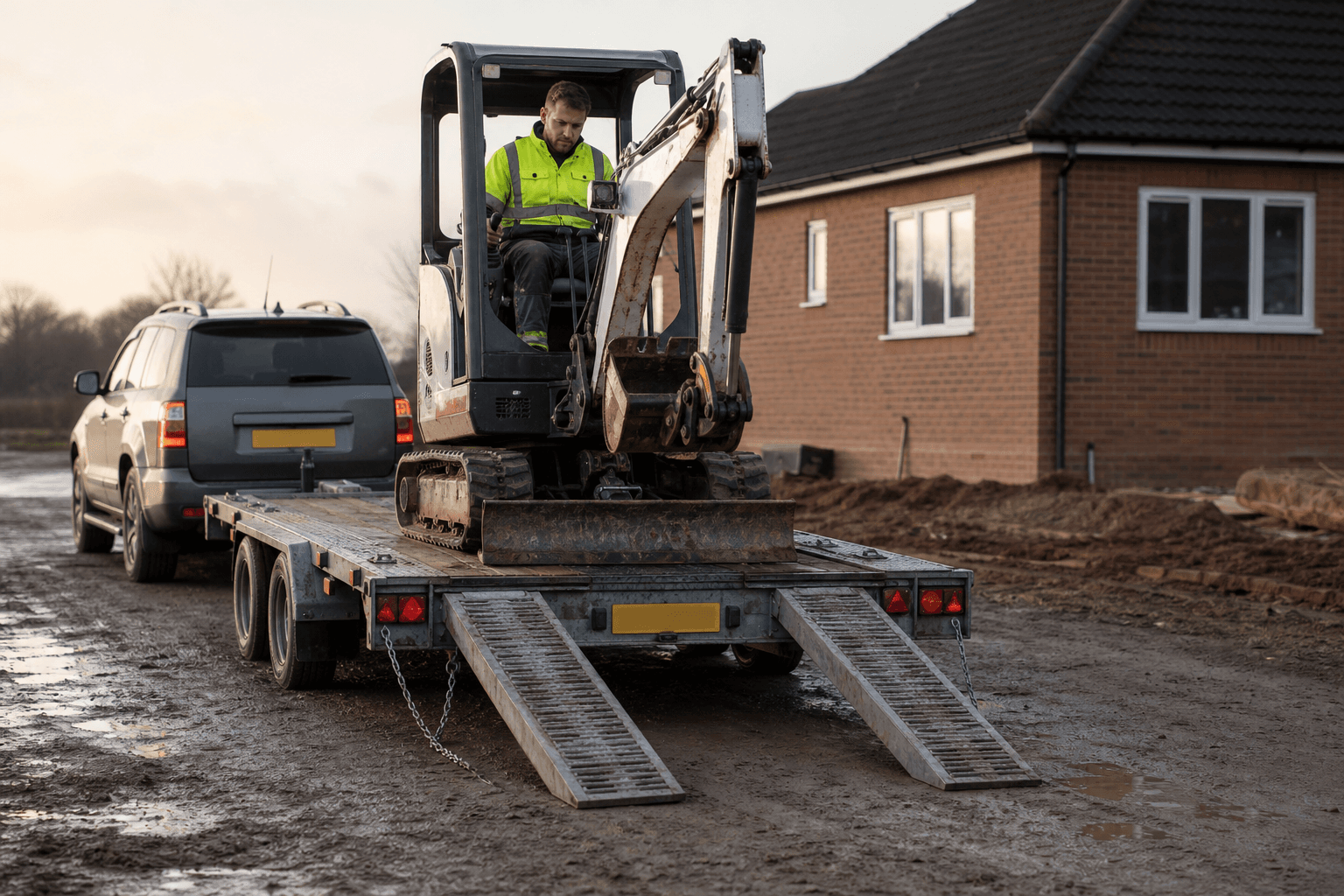
If you are weighing up a compact excavator for a local job, digger hire in London is a practical place to see what is available and how each firm describes its terms. Compare the wording of each offer carefully, because some firms describe operated and self-drive packages in very different ways.
Who must make sure the operator is trained
Responsibility for training rests with the employer of each person who operates work equipment, as set out in regulation 9 of the Provision and Use of Work Equipment Regulations 1998. The training has to cover the methods used, the risks involved and the precautions to take. The same requirement extends to any employee who supervises or manages the use of that equipment, so a site foreman who directs a hired machine is covered too.
The question for you is therefore not which company owns the machine but whose employee is at the controls. On an operated hire, regulation 9 places the training duty on the operator's employer. On a self-drive hire, where your own employees operate the machine, regulation 9 places the training duty on you.
What the hire firm must do, and what you must still do
The Health and Safety Executive treats firms that hire out equipment for use at work as suppliers under section 6 of the Health and Safety at Work etc. Act 1974. That gives them broad responsibilities for the safety of what they supply. HSE also explains that those who hire out equipment carry PUWER duties in so far as they control it, for example by making sure thorough examinations and routine inspections take place at the required intervals.
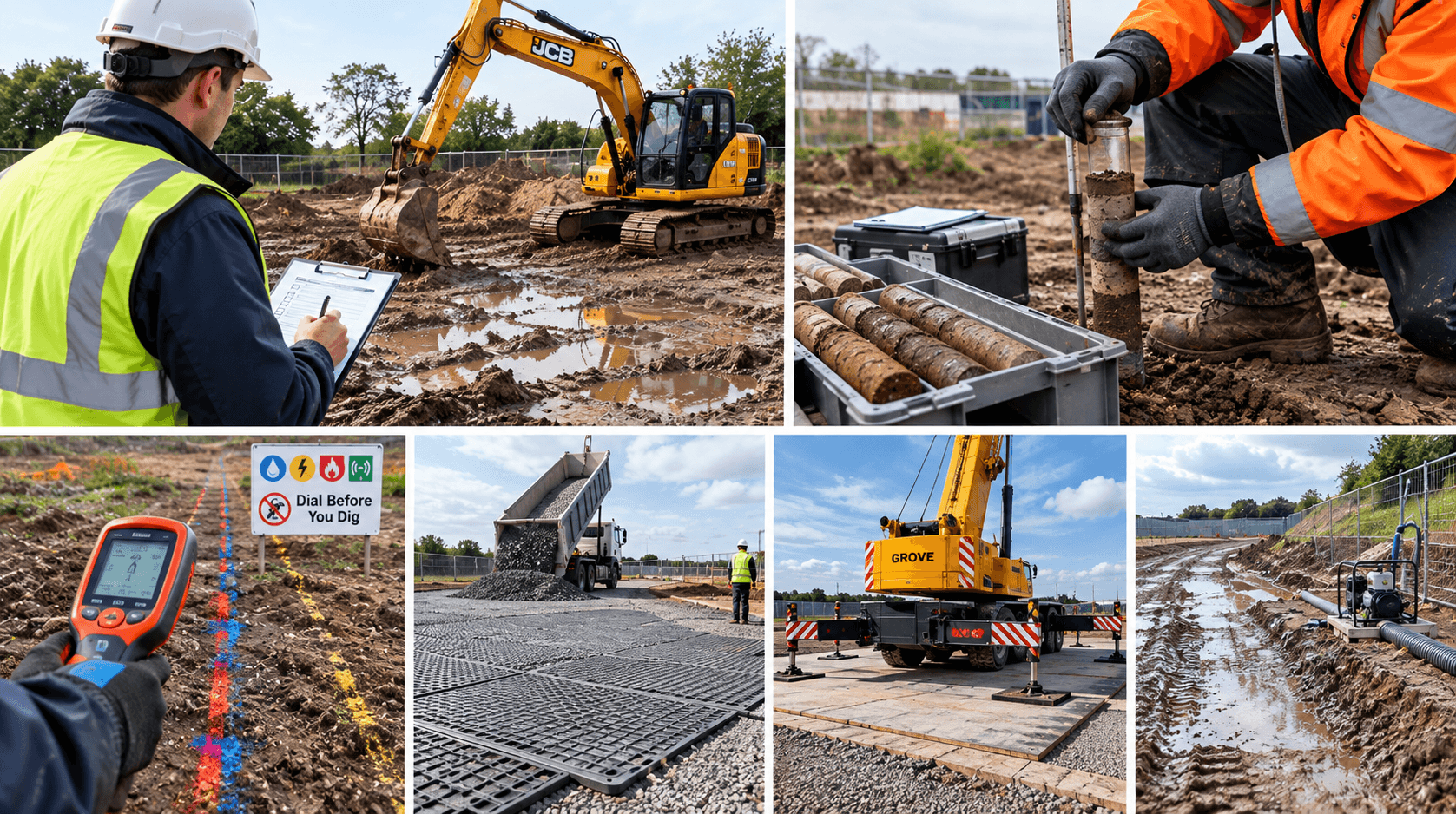
For hired lifting equipment, such as a crane, the user may organise the periodic thorough examinations, by written agreement, particularly for long-term hire. These requirements must be met by employers, the relevant self-employed and people who have control over work equipment, so ask to see the paperwork rather than assume it is in order.
Hire firms must also make sure the equipment is safe to use at the point of hire. They should try to find out what it will be used for and advise on how it should be used. HSE is clear that the safe use of the equipment is the responsibility of the person who hires it. On a self-drive hire, that person is you. On an operated hire, you are still the hirer, so it is sensible to check the operator's training yourself rather than assume it.
Checklist before you book
- Ask who will run the machine and what training they have on that specific type of equipment.
- Ask for written confirmation of when the machine was last thoroughly examined or inspected, where that applies.
- Describe exactly what the machine will do on site, so the firm can advise on safe use.
- Agree in writing who handles maintenance, inspections and breakdowns for the length of the hire.
- On self-drive hire, arrange training for your own operators before delivery day, not after it.
- Keep copies of training records, inspection documents and the hire agreement with your site paperwork.
What drives the cost
Operated hire is priced around the operator as well as the machine, so the hours booked, the travel to site and the length of the working day all shape the total. Self-drive hire is more closely tied to the hire period, the distance for delivery and collection, any attachments you add, and the training you arrange for your own staff. Rates also vary by depot, so two firms offering the same machine can produce very different totals.
No fixed figure is given in this article. Ask each company for a written quote that itemises the operator, delivery, hire period and any extras, and confirm the final figure with the company directly before you commit.
GetBrent helps you find local plant hire companies, so you can compare operated and self-drive options side by side. Use the checklist above with each firm before you book, and you will have a clear picture of who is responsible for what on your site.