Compaction equipment - whether a walk-behind vibratory roller or a towed or self-propelled compactor - applies controlled force and vibration to compress materials into a denser, more stable form. Understanding how these machines work, when to use them and how to operate them safely is essential for anyone hiring compaction plant for groundwork, road repair, waste disposal or landscaping projects.
What compaction equipment does
Compaction plant works by forcing air out of soil, aggregates, asphalt or waste material, reducing voids and increasing density. A denser material resists settlement, provides a stronger foundation for construction, and creates a more stable surface for roads, paths or building bases. Without proper compaction, soil can shift under load, causing foundations to crack and surfaces to fail.
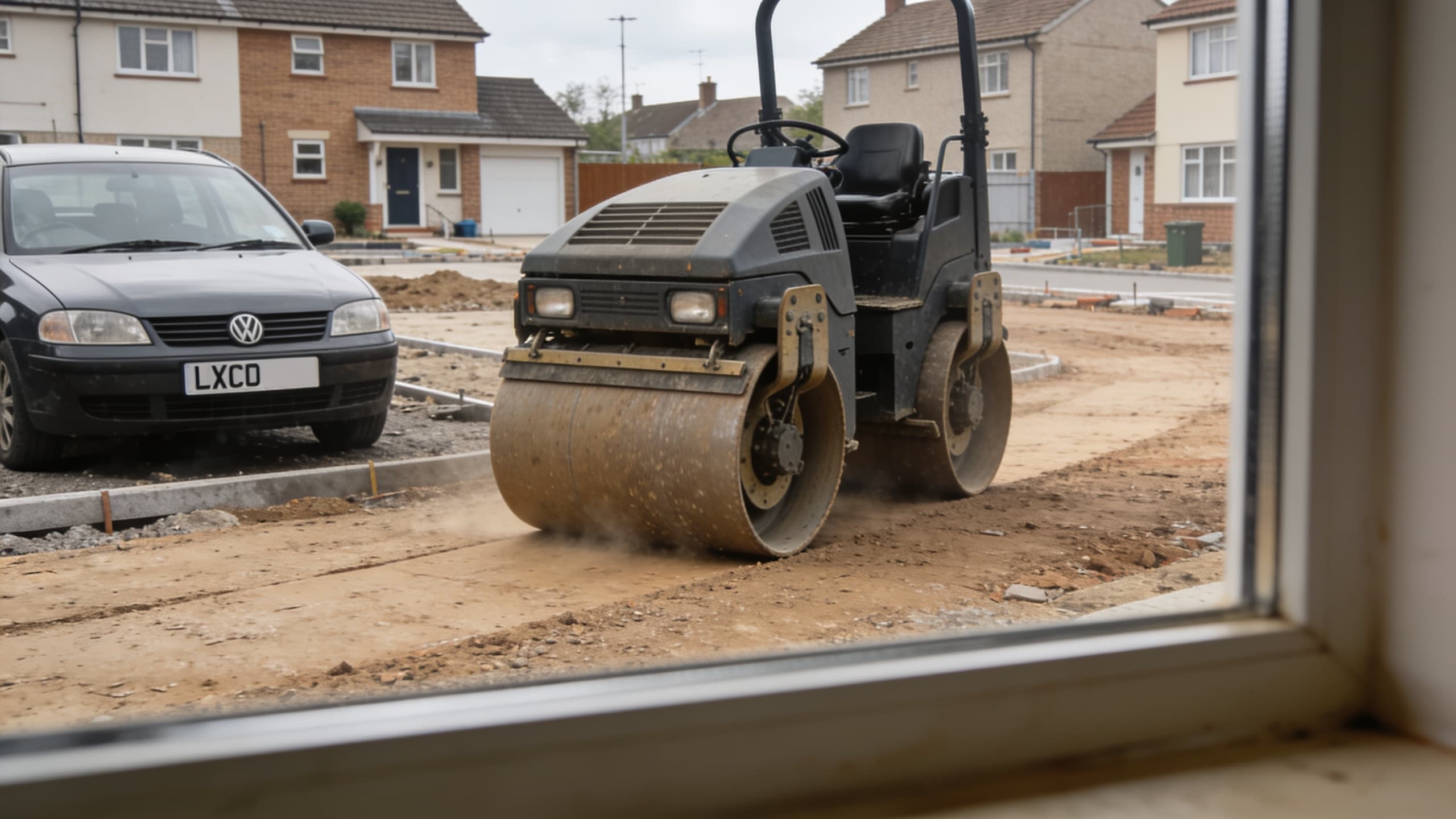
Different machines suit different materials. Walk-behind vibratory plates are ideal for confined spaces, narrow trenches and light materials like sand and gravel. Larger ride-on rollers - drum rollers, padfoot rollers and pneumatic tyre rollers - handle bigger areas and heavier materials such as clay, hardcore and bituminous asphalt. The machine choice depends on the material type, thickness of the layer being compacted, and the area to cover.
Types of compaction plant
Vibratory compactors use fast oscillation to compact material. Drum rollers have one or two smooth drums that roll over the surface whilst vibrating. Padfoot rollers have a drum studded with feet that penetrate material more aggressively, useful for clay and cohesive soils. Pneumatic tyre rollers use weighted tyres rather than drums, providing gentler compaction suitable for asphalt finishing.
Static (non-vibratory) rollers are less common but may be used for specific tasks. Most modern hire equipment is vibratory because it achieves faster, more uniform density with fewer passes.
Safety and operator requirements
Compaction plant poses risks to operators and site workers. The Health and Safety Executive (HSE) requires that equipment is used only by trained, competent operators who understand the machine's controls, the hazards of rotating drums or plates, and the dangers of being struck or crushed. Operators must wear appropriate personal protective equipment - hard hat, high-visibility clothing, safety boots and ear protection, as compactors generate significant noise.
Sitting atop or walking behind a moving compactor requires constant awareness of site conditions and other workers. Site managers must ensure the work area is clearly marked, onlookers are kept clear, and the ground is free of obstacles that could cause the machine to tip or lose control. On public roads or highways, towed compaction equipment is subject to the same rules as any towed trailer - the towing vehicle must have adequate braking capacity, and the combination must comply with the DVSA and Highway Code requirements for gross train weight and axle limits.
Key safety checklist before use:
- Confirm the operator has received formal training on the specific machine model
- Check the machine for visible damage, fluid leaks and worn parts
- Inspect the site for potholes, rocks, debris and slope hazards
- Ensure pedestrian and traffic control measures are in place
- Verify the operator wears a hard hat, high-visibility vest, safety boots and hearing protection
- Brief all site staff on the machine's movement and no-go zones
Matching compaction to the job
The compaction method and number of passes needed depend on the material, layer depth and design specifications. Granular materials such as gravel and sand compact quickly and may need only 2-4 passes with a vibratory plate. Clay and cohesive soils require more passes and benefit from a padfoot roller because the feet break up the material as it compacts. Asphalt is compacted at temperature and must be worked promptly after laying; pneumatic rollers are often preferred to avoid marking the surface.
For waste compaction at disposal sites or landfills, local council rules and the Environment Agency (or SEPA in Scotland) govern how waste must be processed and where equipment can be used. If hiring a compactor for waste work, confirm with the site operator and your local authority that the equipment and method comply with environmental regulations for that specific location.
Those planning plant hire projects involving compaction should liaise with the hire company to specify the material type, layer depth, total area and access constraints. Companies with depots across regions, such as those offering plant hire in London or compaction hire in Mitcham, can recommend the right machine and discuss delivery, operator training and site preparation.
Getting compaction plant hire right
Successful compaction depends on the right machine, a trained operator, proper site setup and realistic time planning. Rushing compaction or using undersized equipment leads to poor density and costly rework. Communicating the project details clearly to the hire company - material type, volume, schedule and site access - ensures delivery of suitable equipment and reduces the risk of delays or safety issues on site.
GetBrent.co.uk connects people with local plant hire companies, removals firms and tradespeople across the UK. Use the site to find compaction equipment, book an operator if needed and compare options from suppliers in your area.