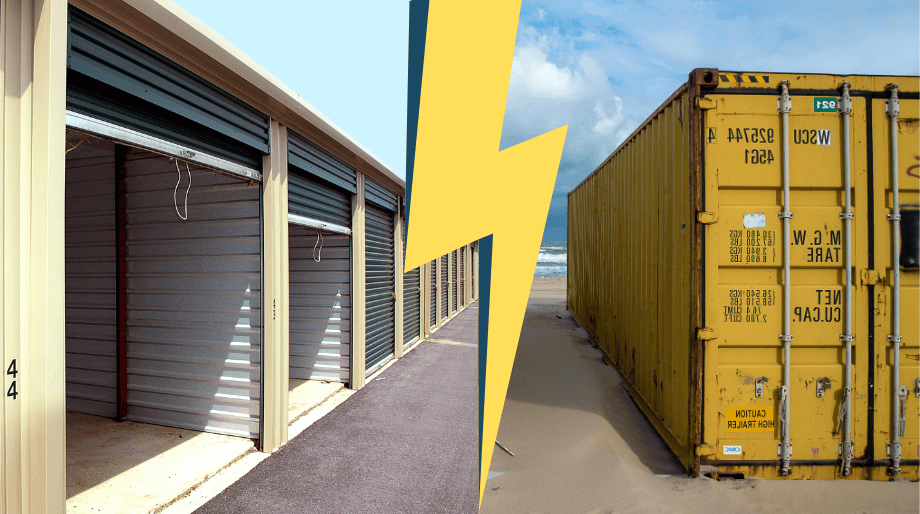
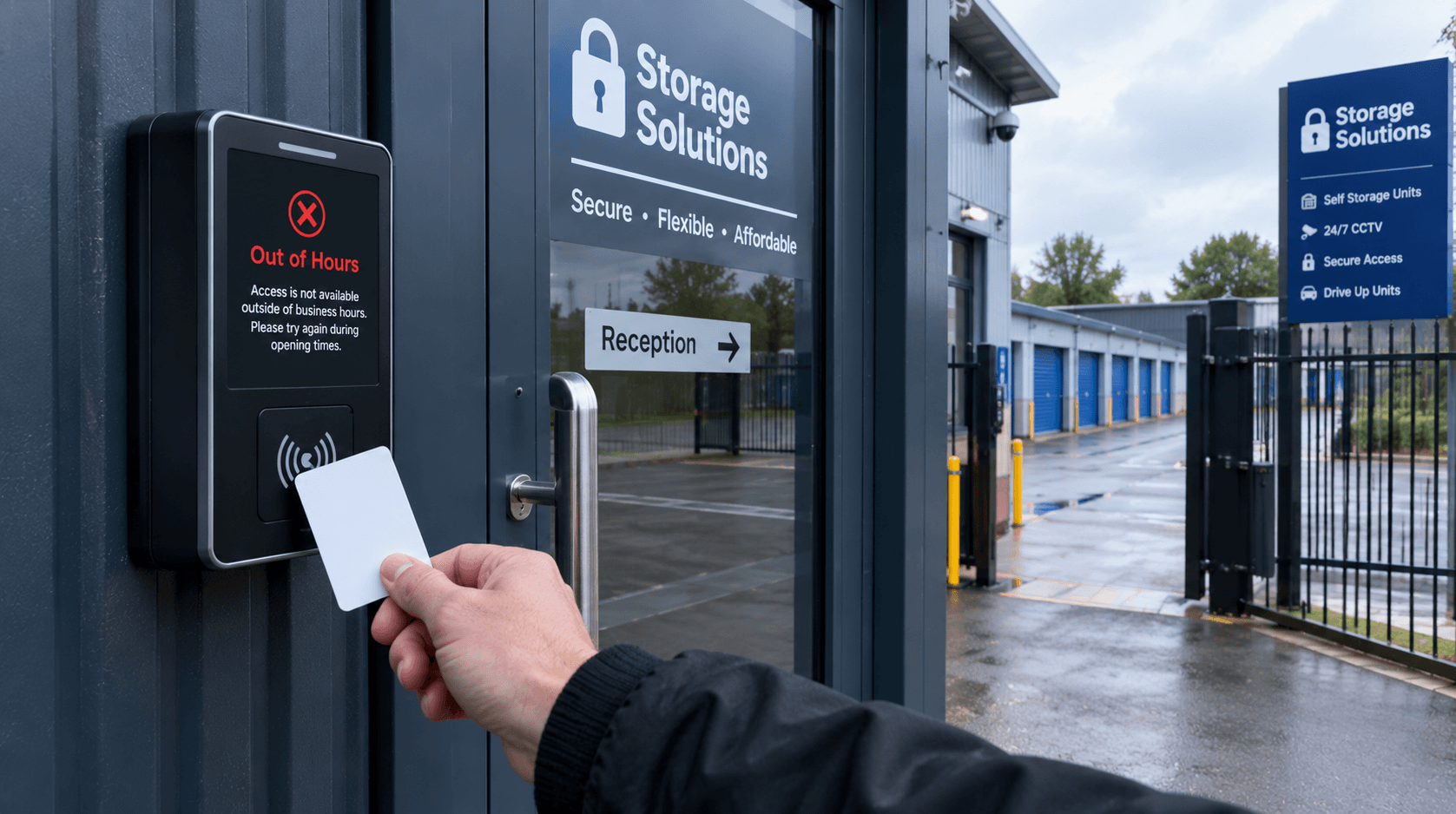
Storage access hours vary considerably across the UK, and understanding why helps hirers find a facility that suits their timetable. The reasons are practical, regulatory, and financial—and they matter whether someone needs a self-storage unit for a week or a long-term equipment depot.
Planning Permission and Local Authority Conditions
The most common driver of restricted hours is planning permission. When a storage facility or hire depot applies for permission to operate, the local council can attach conditions to that permission. These conditions often specify maximum opening hours, particularly in residential areas where neighbours have raised concerns about noise, traffic, or activity outside standard business times.
A storage facility in a town centre or mixed-use area is far more likely to face hour restrictions than a rural depot away from homes. Some councils restrict evening and weekend access altogether; others permit it but with conditions such as no vehicle movements after 8 p.m. or no access on Sundays. These are legally binding conditions, and facilities must comply or face enforcement action from the local authority.
Hirers should check the planning history of any facility they consider using. A quick call to the local council planning department will confirm what hours are actually permitted for that site.
Staffing and Operating Costs
Extended opening hours demand staffing. A facility that opens from 7 a.m. to 10 p.m. requires either shift patterns or a single long-hours employee, both of which cost money. Security staff, reception cover, and the ability to process rentals or access requests all depend on having people on site.
Smaller depots—particularly those in areas like self-storage in Rainham or other suburban locations—often run on tighter margins. Restricting hours to, say, 8 a.m. to 6 p.m. on weekdays and shorter Saturday hours allows them to operate with one or two staff members and still maintain security and customer service standards. Larger, city-centre facilities with higher throughput can spread those staffing costs across more hirers and justify longer hours.
Security and Risk Management
Access control becomes harder to manage outside supervised hours. A storage facility open 24/7 requires either on-site staff at all times, electronic access systems (which must be monitored), or CCTV with rapid response protocols. These systems cost money, and they carry liability. If something is stolen or a unit is damaged during unsupervised hours, the facility operator may face claims.
Many hire companies choose to restrict access to daylight and office hours partly for this reason. It reduces the risk profile and keeps insurance premiums manageable. Climate-controlled storage—particularly for sensitive equipment—often has even stricter hours because access outside supervised periods risks temperature fluctuations or equipment misuse.
Demand Patterns and Location
A self-storage facility in London or another major city will typically have extended hours because demand justifies it. City workers need to access units before or after their working day, and the sheer volume of bookings makes longer hours economically viable.
Rural depots or those in smaller towns may find that demand drops sharply after 5 p.m. and at weekends. Opening late or on Sunday is simply not worth the staffing cost when few customers want access. This is not poor service; it is a rational response to how local hirers actually use the facility.
Specialist Storage Categories
Temperature and humidity-controlled units, for instance, require active monitoring systems. These facilities sometimes have shorter access hours to allow for maintenance, system checks, and environmental monitoring. The full range of storage options available across the UK reflects this variety: some are open nearly round the clock, others are 9 a.m. to 5 p.m. only.
Climate-controlled units in particular may ask customers to book access in advance so the facility can monitor entries and exits and ensure the environment is stable.
Practical Steps for Finding Hours That Work
When selecting a hire company or storage facility, confirm access hours before signing an agreement:
- Ask about opening hours on the specific day you need access—not just "Monday to Friday"
- Check whether weekend and evening access is available and whether it requires advance notice
- Confirm whether access is staffed or electronic, and what the procedure is outside office hours
- Ask whether access hours are guaranteed or subject to seasonal variation
- Request the hours in writing as part of the booking confirmation
For long-term storage, a facility with convenient hours is worth seeking out. For short-term hire—such as a self-storage unit in Brentwood rented for a few weeks—restricted hours may not be a problem.
Storage access hours are not arbitrary; they reflect a facility's operating model, local regulations, and customer demand. Understanding why they vary helps hirers make an informed choice. Use GetBrent.co.uk to compare storage and hire facilities in your area, check their opening hours, and find one that fits your schedule and needs.