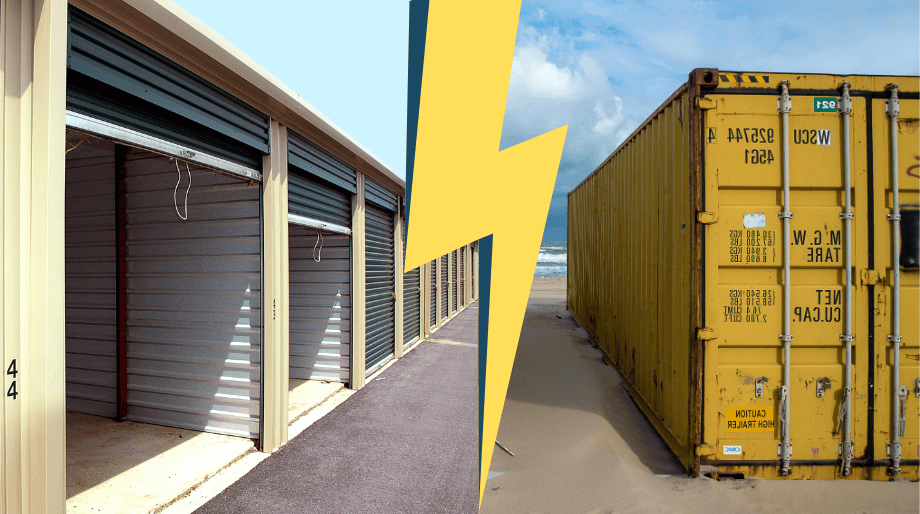
Long-term furniture storage requires planning and care to prevent damage from moisture, pests, temperature fluctuations and physical harm. Whether storing items whilst renovating, downsizing or between moves, understanding the practicalities of climate, packing and space selection will protect your investment and ensure pieces remain usable when needed again.
Choose the Right Storage Environment
The storage location makes the largest difference to furniture condition over time. Unheated garages, sheds and attics expose pieces to temperature swings and humidity that cause wood warping, metal rusting and fabric deterioration. Conversely, damp basements invite mould and mildew growth on upholstery and wooden frames within weeks.
Climate-controlled storage units maintain stable temperature and humidity year-round, protecting against these risks. If budget or access to such facilities is limited, indoor spaces with natural airflow—such as spare rooms in insulated buildings—offer a reasonable alternative. Avoid spaces directly against external walls in poorly insulated properties, as condensation builds up in cold months.
When selecting any storage area, check for signs of previous water ingress, rodent activity or insect damage. Ask the storage company or property owner about pest control measures and whether the space is regularly inspected. Many dedicated storage providers offer monitored facilities with access logs and climate reporting, which is worth verifying when arranging hire.
Pack and Wrap Items Properly
Furniture exposed directly to air and dust will accumulate grime and scratches. Wrapping protects surfaces whilst allowing some air circulation to prevent moisture trapping beneath non-breathable coverings.
Use cotton dust sheets, old blankets or furniture-grade moving blankets to drape pieces. Avoid plastic sheeting for extended storage, as condensation condenses beneath it and promotes mildew. Secure wrapping with soft rope or cotton twine rather than sticky tape or plastic wrap, which can damage finishes.
For upholstered items, ensure they are completely dry and clean before wrapping. Trapped food residue, pet hair or moisture will accelerate deterioration. Wood and metal surfaces should be wiped down and, if the storage period exceeds six months, consider applying a thin protective coat of furniture wax or oil to timber according to the wood type.
Packing Checklist
- Clean all items thoroughly and allow to dry completely
- Wrap each piece in breathable cotton or felt, not plastic
- Secure wrapping with soft rope or twine, not adhesive tape
- Disassemble items where practical and keep hardware in labelled bags
- Photograph items and their condition before storing
- Store hardware bags inside or attached to the relevant furniture piece
- Keep an inventory list with photos and store a copy outside the storage space
Arrange Items to Prevent Damage
How furniture is stacked and positioned during storage determines whether pieces emerge unscratched or compressed. Heavier items must sit on lower shelves or the floor; stacking a sofa on top of chairs will damage the chair frames and the sofa base. Legs and delicate elements should face inward or be protected with cardboard or foam padding.
Leave gaps between items to allow air circulation and to prevent moisture pockets forming where surfaces touch. Drawers and doors should be opened slightly or removed entirely to prevent warping from pressure and moisture differences between inside and outside the piece.
Store upright where possible rather than on their backs or sides. Beds, mirrors and framed artwork are less likely to warp or crack when vertical. If floor space is limited, use shelving units rated for the weight to stack lighter items safely, keeping heavier pieces at eye level or below.
Monitor Storage Regularly
Long-term storage is not a set-and-forget arrangement. Inspect items at least every three months, especially during autumn and winter when moisture risk peaks. Check for signs of water damage, discolouration, pest droppings or musty odours. If any dampness is evident, improve ventilation by opening windows (if safe and appropriate) or requesting the storage provider to increase air circulation.
If storing at home, keep a hygrometer (humidity meter) in the space to track moisture levels. Relative humidity between 40 and 55 per cent is ideal for furniture. If readings exceed 60 per cent, use a dehumidifier or move items to a drier location.
Photograph condition at each visit and compare against your initial photos. This record proves the storage location's suitability and provides evidence for insurance claims if damage does occur.
Insurance and Record-Keeping
Confirm that stored items are covered under household or business contents insurance. Many standard policies have limits on items kept off the main property, and some exclude storage in uninsured facilities. Review the terms before committing furniture to a location.
Maintain detailed records: itemised lists, photographs of each piece with serial numbers or distinctive marks, receipts or valuation certificates where available, and dated inspection notes. Store these documents separately from the furniture itself—digitally in the cloud or printed copies kept at home.
Finding suitable storage space depends on location, duration and the quantity of items. GetBrent's storage directory lists local providers across the UK, including facilities in areas such as self-storage in London, self-storage in Wembley and self-storage in Brentwood. Use the directory to compare climate-controlled options, access terms and security features before booking, ensuring your furniture receives the protection it deserves during its time in storage.