Regular trailer maintenance isn't just a suggestion, it's essential for staying roadworthy and avoiding costly breakdowns. Whether you're hiring a trailer for a house move, running one for business, or maintaining your own, here's what to check and how often.
In this guide, I'll walk you through a comprehensive maintenance checklist that covers the essentials. Let's get stuck in.
Before Every Journey: The Quick Inspection
Before you hitch up and hit the road, spend five minutes on a basic inspection. This isn't complicated, and it could prevent breakdowns or safety issues.
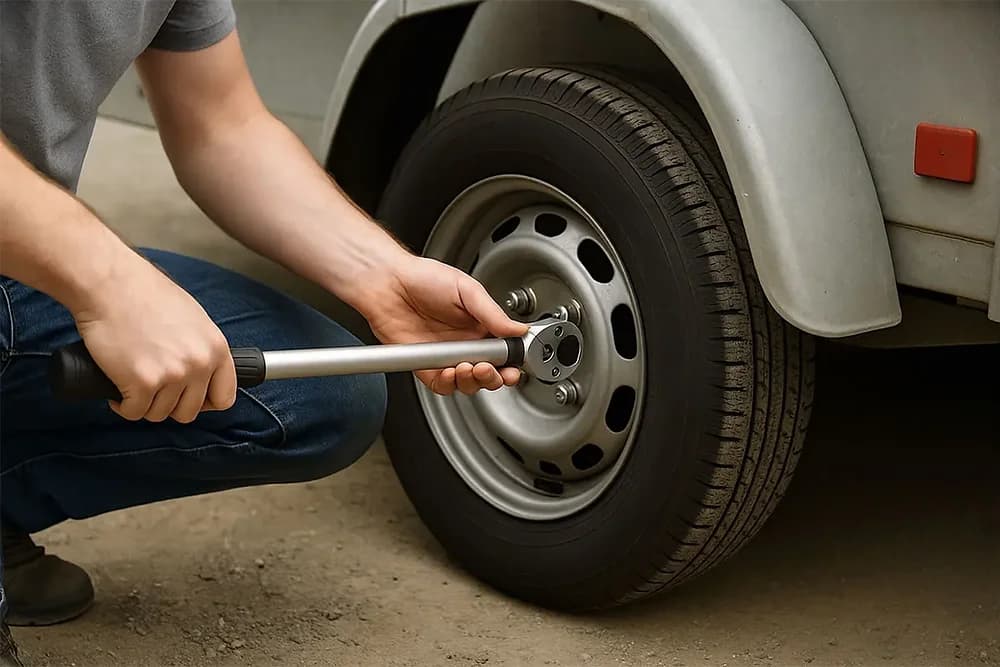
- Tyres: Check the tread depth (should be at least 1.6mm across the central three-quarters) and look for any visible damage, bulges, or uneven wear
- Lights: Test all brake lights, indicator lights, and reflectors are working and clean
- Coupling and hitch: Ensure the coupling is clean and properly connected to your tow vehicle
- Cargo: Verify your load is secure and evenly distributed
- Brake fluid: Top up if necessary and check for any leaks under the trailer
- Safety chain: Confirm it's properly attached and in good condition
This quick routine takes minutes and could be the difference between a smooth journey and a costly breakdown. If you're hiring a trailer, most reputable companies will have done this for you, but it's worth double-checking before you leave.
Monthly Checks for Regular Users
If you're regularly hiring or using a trailer for business purposes, monthly maintenance helps catch issues early. This is particularly important if you're operating under UK DVSA (Driver and Vehicle Standards Agency) regulations.
Check your brake system thoroughly. Look for signs of wear on brake pads and shoes, and listen for any squealing or grinding sounds. Brake fluid should be changed every two years as a matter of course. If you notice the brake pedal feels spongy or soft, you likely have air in the system and should get it bled immediately.
Inspect your suspension components, including leaf springs, shock absorbers, and any connecting bolts. Look for rust, cracks, or any movement that shouldn't be there. Worn suspension affects handling and puts extra strain on your tow vehicle.
Don't forget the undercarriage. A quick look underneath can reveal rust, corrosion, or leaking fluids early. Pay particular attention to the axle area and any welded joints.
Finally, check that all documentation is up to date. Your trailer should have a valid MOT certificate (if it's over 40 years old and used commercially) and proper tax status. Keep records of all maintenance work for your own protection.
Annual Servicing and Major Maintenance
Once a year, ideally before the busy season if you use your trailer seasonally, arrange a full service with a qualified trailer engineer. This is when you should tackle bigger jobs.
Wheel bearings should be inspected and repacked with fresh grease. This is crucial for safe towing and preventing wheel seizure. If bearings are worn, they'll need replacing.
The electrical system deserves attention too. Check the wiring harness for damage, corrosion on connectors, and proper functioning of all lights and indicators. If your trailer has been stood unused, moisture can cause real problems.
Have your brakes professionally serviced. Brake components wear differently depending on how heavily you use your trailer, and a professional can advise on replacement parts and adjust brake balance if needed.
This is also the time to assess structural integrity. Look for rust spreading beyond surface level, cracks in the chassis or frame, and any corrosion that could compromise safety. UK highways can be demanding, and salt used on winter roads accelerates corrosion, so stay vigilant.
Legal Requirements and Regulations
It's worth understanding what the law requires. Under the Road Traffic Act, trailers must be properly maintained and safe for road use. The Highway Code specifies maintenance requirements, and the DVSA takes safety very seriously.
If your trailer exceeds 750kg unladen weight, it needs an MOT certificate annually. Vehicles over 3,500kg gross vehicle weight rating fall under additional DVSA regulations and may require more frequent testing.
Keep a maintenance log for your records. If you're hiring equipment professionally, this documentation protects both you and the hire company. It's also essential if you need to make an insurance claim following an accident.
Seasonal Considerations
The British climate can be tough on trailers. Before winter, give extra attention to undercarriage protection—consider having it undersealed to prevent rust. Check all lights work and are visible, as daylight hours are shorter. After winter, inspect for salt damage and corrosion.
If your trailer sits unused for extended periods, deflate tyres slightly to prevent flat-spotting, cover it from the weather if possible, and consider removing the battery if it's electric.
Regular maintenance keeps your trailer safe, reliable, and roadworthy. It's an investment that pays dividends in safety and longevity. When you're ready to hire or need advice on equipment, the local professionals on GetBrent.co.uk are here to help. Browse our directory to find trusted hire companies in your area, all committed to providing well-maintained, safe equipment.