The right size mini digger depends on three things: the narrowest access point on site, the depth the job requires, and the volume of material to shift. Get any one of those wrong and you either cannot get the machine in, cannot reach the bottom of the trench, or spend twice as long as necessary on the job.
Understanding the Size Classes
Mini diggers in the UK fall into three broad categories. Knowing which class fits your project is the single most useful thing you can establish before contacting a hire company or dealer.
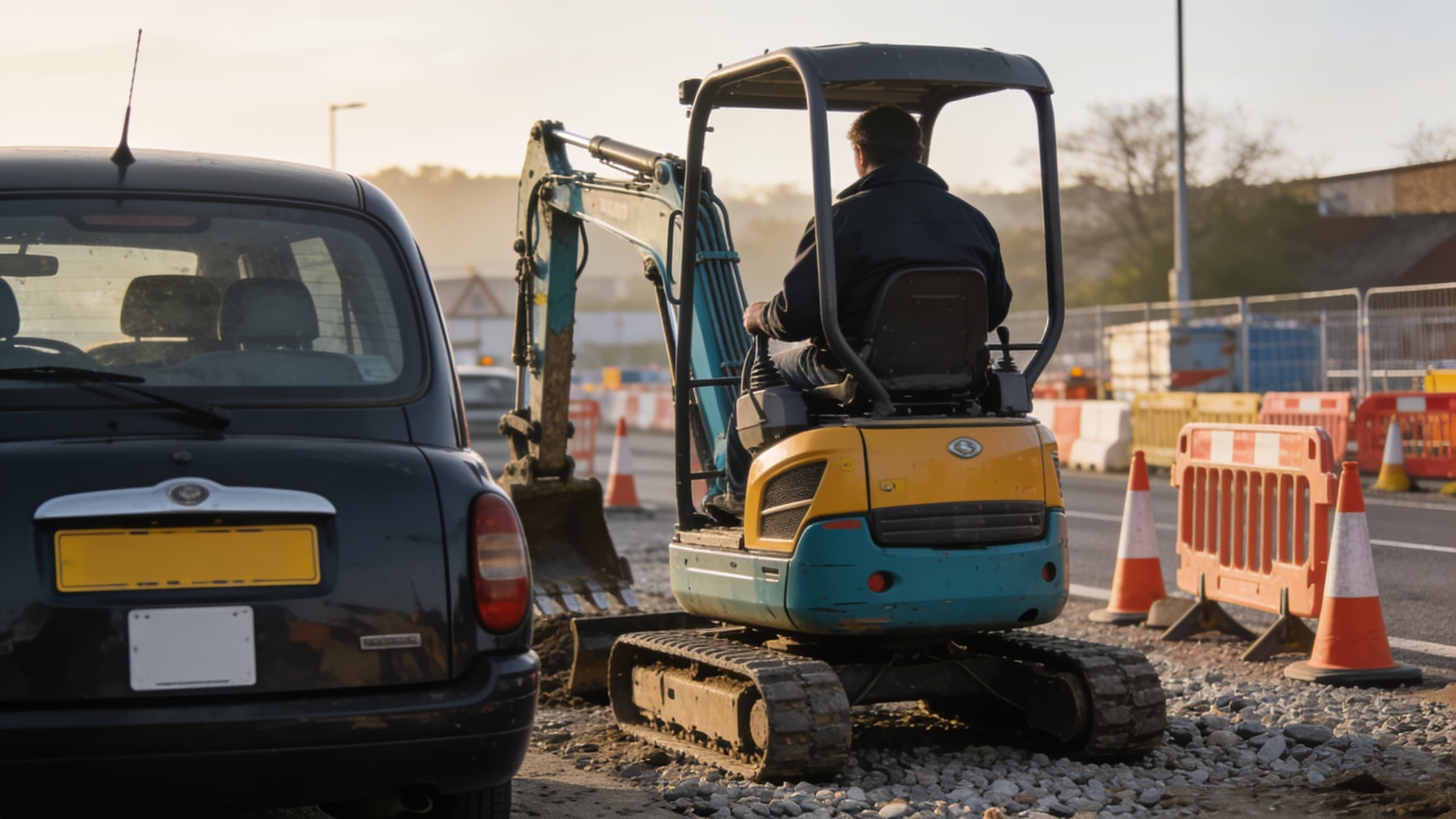
- Micro diggers (under 1 tonne). These are the narrowest machines available. Retractable tracks can reduce overall width to around 700 mm, which means they pass through a standard garden gate or even an interior doorway. Maximum dig depth is typically 1.6 to 1.8 metres - adequate for shallow drainage runs, cable trenches, planting pits and light landscaping, but not for full foundation work on an extension.
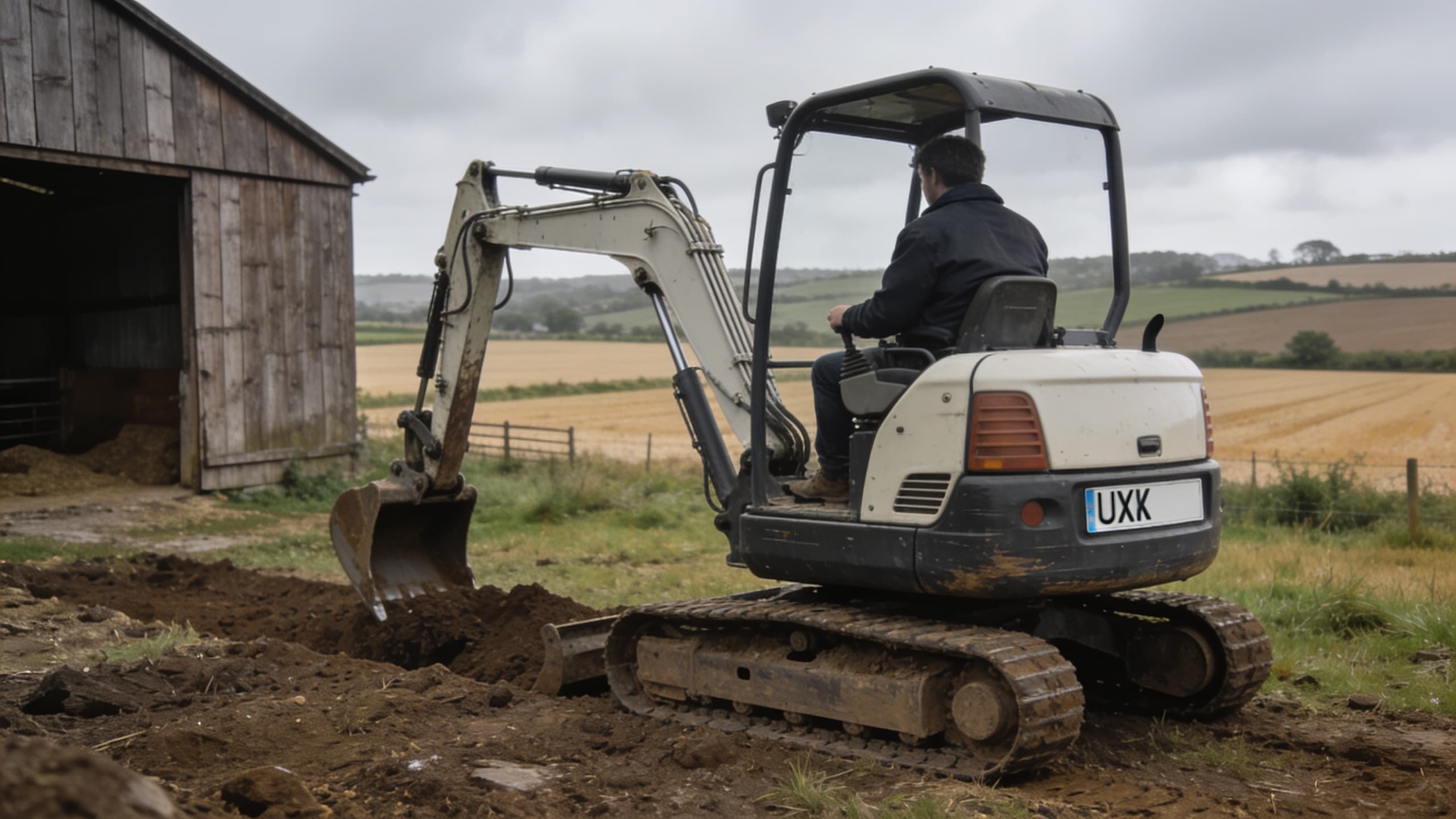
- Mini diggers (1.5 to 3 tonnes). This is the most commonly hired class in the UK. A 1.5-tonne machine reaches roughly 2.3 to 2.5 metres deep, which covers standard house-extension strip foundations, soakaways and service trenches. A 3-tonne machine pushes to around 2.7 to 3 metres and handles longer trench runs or denser ground more efficiently. Most of these machines are transported on a trailer towed by a 4x4, provided the gross train weight stays within the limit allowed by the driver's licence - check this with the hire company before collection, as the DVSA sets those limits and they vary by when the licence was issued.
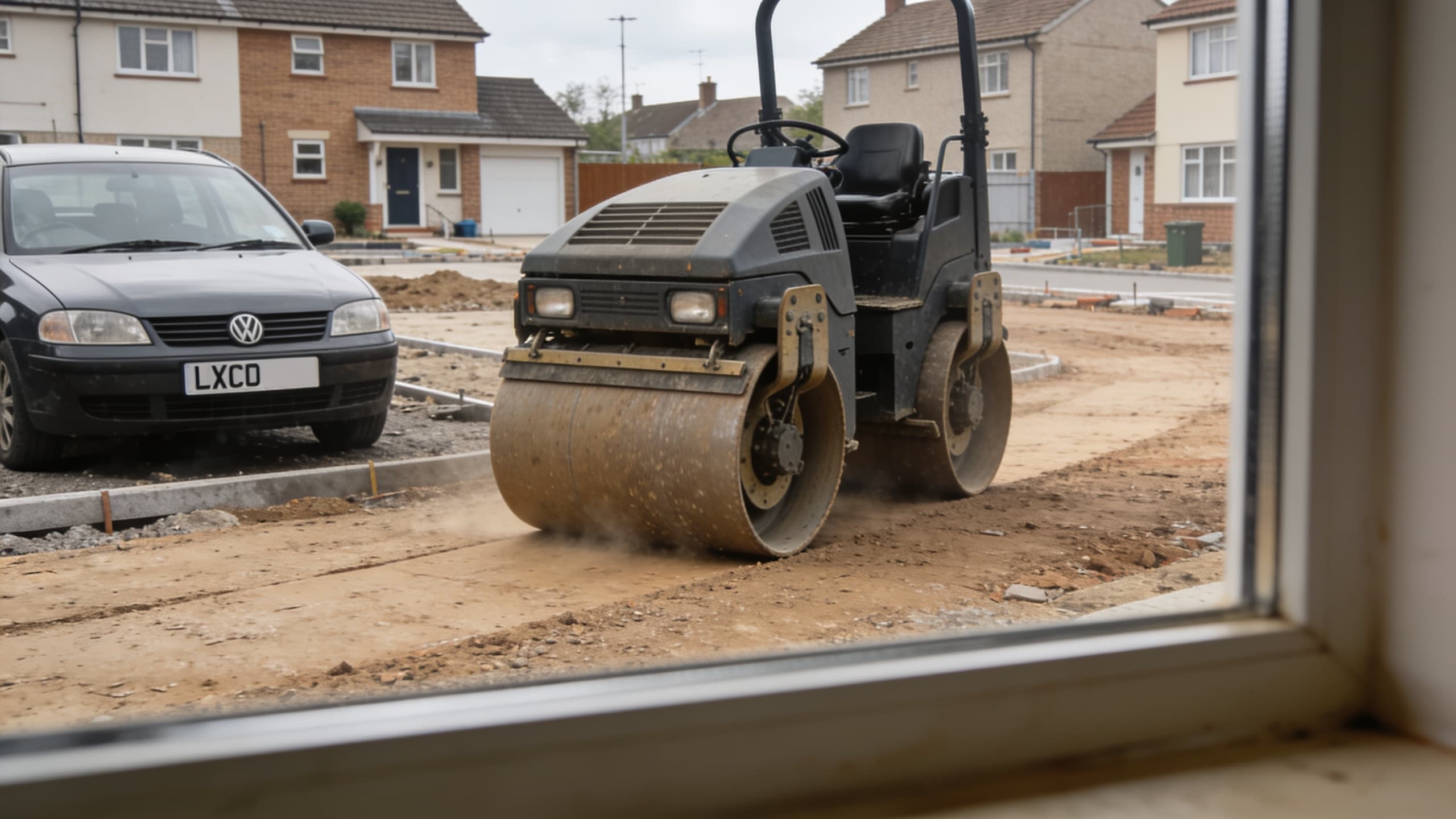
- Midi diggers (3 to 8 tonnes). Once you move above 3 tonnes, you are in territory that requires commercial transport and greater turning room on site. Dig depths of 3 to 4 metres suit deep strip foundations, large drainage installations, bulk earth removal and small commercial groundworks. These machines will not fit through a residential side gate.
Measure Access Before Anything Else
The most common and most avoidable mistake when hiring plant is choosing a machine that cannot physically get to the work area. Before you browse plant hire listings, take a tape measure to every pinch point between the road and where the machine will actually be working.
- Measure gate width at its narrowest point, including hinges and posts.
- Measure any side-passage width and note overhead obstructions such as eaves.
- Check the turning circle available once the machine is on site - zero tail-swing models are worth specifying if there are boundary walls or obstacles close to the dig area.
- Check the ground bearing capacity on the access route. A machine may fit through the gate but sink on a newly laid lawn or an uneven drive.
Tell the hire company or dealer those measurements when you enquire. A reputable firm will recommend the appropriate machine width and will know whether their delivery vehicle can reach the site.
Match Dig Depth to the Job
Every machine has a rated maximum dig depth, but in practice you want a machine rated deeper than your target depth so the bucket is still working efficiently at the bottom of the trench rather than at the extreme end of its reach. As a practical guide:
- Shallow landscaping, planting, drainage pipes at 600 to 900 mm: a micro digger is sufficient.
- Standard extension strip foundations at 1 to 1.2 metres: a 1.5-tonne mini with a rated depth of 2.3 metres or more gives adequate clearance.
- Deeper trench fill or services at 1.5 metres or more: move up to a 3-tonne machine with a rated depth of 2.7 metres or above.
- Commercial foundations, large soakaways or groundworks below 2 metres: specify a midi or larger, and consult the HSE guidance on trench safety, including when trench support or battering is required. The HSE sets the standards for safe excavation on working sites.
Think About Attachments and Bucket Width
Most hire companies supply a machine with a standard digging bucket, but the bucket width matters as much as the machine size. A 300 mm bucket cuts a neat narrow trench for drainage or cables. A 600 mm or 900 mm bucket is faster for foundation trenches where width is specified in the structural drawings. Ask what buckets are included and whether a grading or ditching blade is available if you need to level or backfill.
Hydraulic breakers, augers and compaction plates can be fitted to most mini and midi machines. If your ground is hard clay, chalk or contains made-up rubble, a breaker attachment may be essential. Confirm with the hire company that the machine's hydraulic flow rate is compatible with the attachment before booking - not all machines suit all attachments. For hire in specific locations, you can browse plant hire in London, including plant hire in Edgware and plant hire in Mitcham, where local depots can advise on ground conditions and appropriate machines for the area.
A Pre-Hire Checklist
Before confirming a booking, work through these points:
- Measure the narrowest access width and confirm it against the machine's retracted track width.
- Note the required dig depth and check the machine's rated maximum dig depth is comfortably greater.
- Confirm what buckets are included and request any additional attachments at the time of booking.
- Ask whether the machine has a zero tail-swing configuration if working close to walls or fences.
- Check with the hire company what delivery vehicle they use and whether it can reach your site.
- Confirm the hire period - day rate, weekly rate and minimum hire period vary between firms, so ask for a written quote.
- Clarify who is responsible for fuel and whether a damage waiver is included or available.
- If operating the machine yourself, the HSE expects anyone using work equipment to be competent. A brief induction from the hire company is standard practice and worth taking up even if you have used similar machines before.
Find the Right Machine and Firm Near You
GetBrent lists plant hire companies and plant dealers across the UK, including mini diggers, micro diggers, midi excavators, dumpers and attachments, available with or without an operator. Search by location, compare the machines on offer and contact firms direct to confirm availability, delivery and the spec of the machine being sent out. Finding a local company means faster delivery, local knowledge of ground conditions and someone nearby if you need support during the hire.